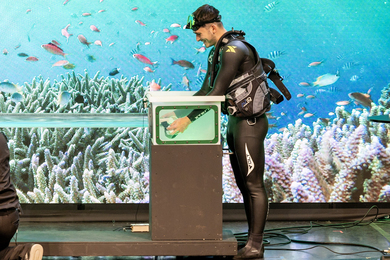
New products presented at the 2.009 prototype launch included a crash-detecting bicycle helmet, an augmented reality mask for divers, and a respirator for wildland firefighters.
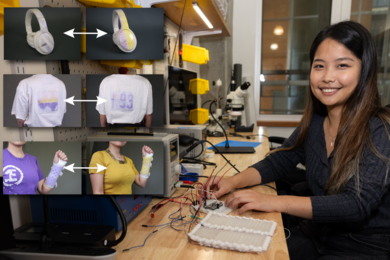
A new design tool uses UV and RGB lights to change the color and textures of everyday objects. The system could enable surfaces to display dynamic patterns, such as health data and fashion designs.
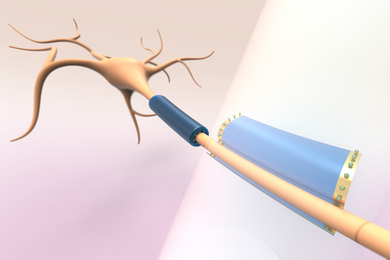
By snugly wrapping around neurons, these devices could help scientists probe subcellular regions of the brain, and might even help restore some brain function.
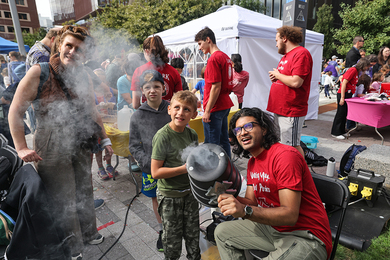
Organized by the MIT Museum, the 2024 celebration of science, technology, and culture was the largest in its history, with over 50,000 visitors at 300 events.
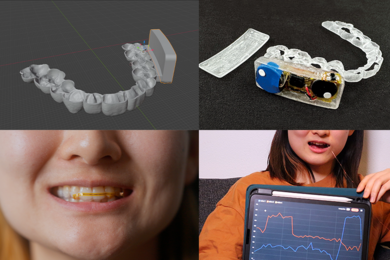
“MouthIO” is an in-mouth device that users can digitally design and 3D print with integrated sensors and actuators to capture health data and interact with a computer or phone.
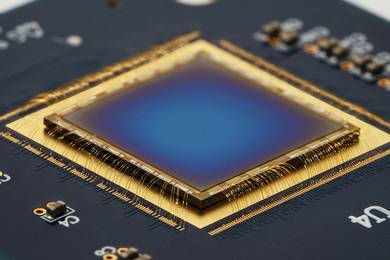
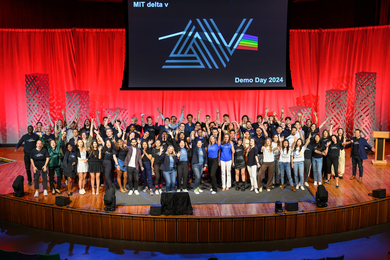
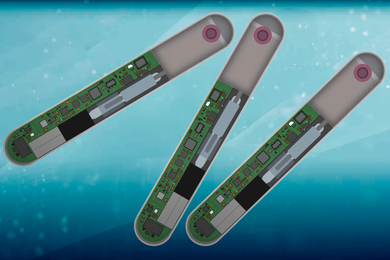
The innovations map the ocean floor and the brain, prevent heat stroke and cognitive injury, expand AI processing and quantum system capabilities, and introduce new fabrication approaches.
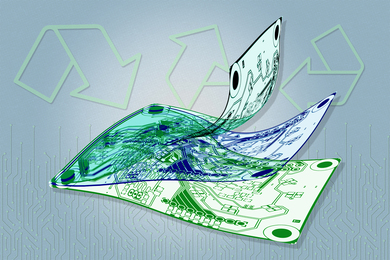
Electronic waste is a rapidly growing problem, but this degradable material could allow the recycling of parts from many single-use and wearable devices.