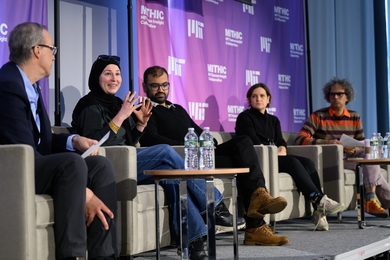
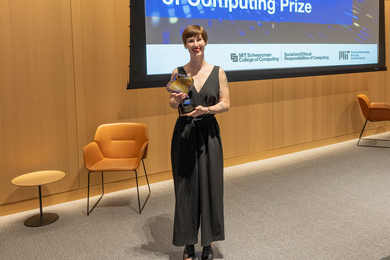
The inaugural MIT Human Insight Collaborative (MITHIC) Annual Event showcased the breadth of projects supported in the first year of the presidential initiative.
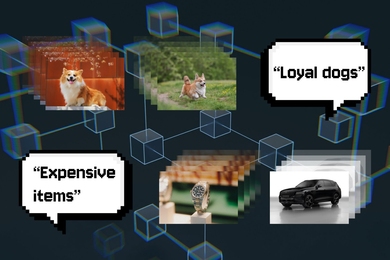
Large language models can learn to mistakenly link certain sentence patterns with specific topics — and may then repeat these patterns instead of reasoning.
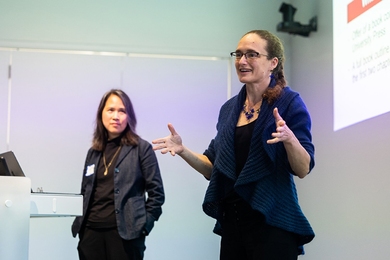
MIT PhD students who interned with the MIT-IBM Watson AI Lab Summer Program are pushing AI tools to be more flexible, efficient, and grounded in truth.
In an analysis of over 160,000 transplant candidates, researchers found that race is linked to how likely an organ offer is to be accepted on behalf of a patient.
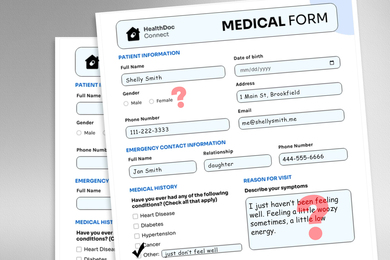
Researchers find nonclinical information in patient messages — like typos, extra white space, and colorful language — reduces the accuracy of an AI model.