Models trained on synthetic data can be more accurate than other models in some cases, which could eliminate some privacy, copyright, and ethical concerns from using real data.
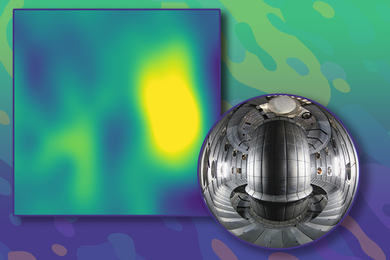
A new approach sheds light on the behavior of turbulent structures that can affect the energy generated during fusion reactions, with implications for reactor design.
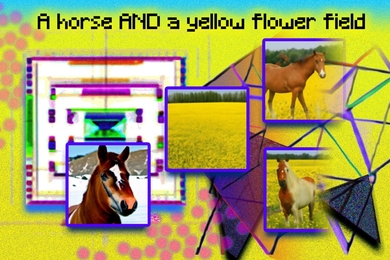
Yilun Du, a PhD student and MIT CSAIL affiliate, discusses the potential applications of generative art beyond the explosion of images that put the web into creative hysterics.
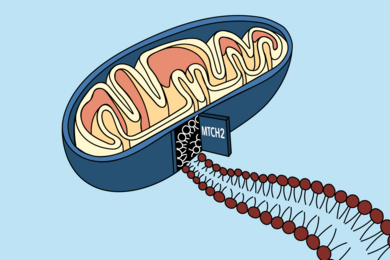
Study finds the protein MTCH2 is responsible for shuttling various other proteins into the membrane of mitochondria. The finding could have implications for cancer treatments and MTCH2-linked conditions.
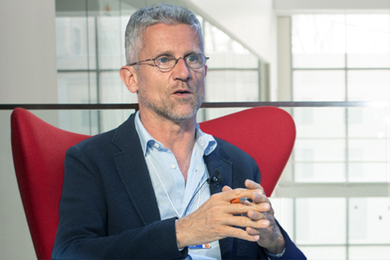
Carlo Ratti investigates how digital technologies transform our urban spaces and how they can be harnessed to design sustainable cities for the future.
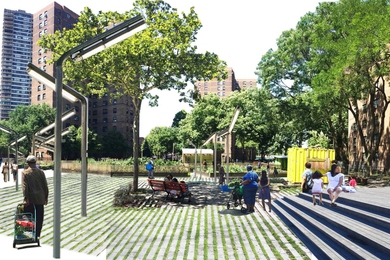
Winning project supports collaboration between public housing residents in New York City and a local nonprofit offering training for work in the digital economy.
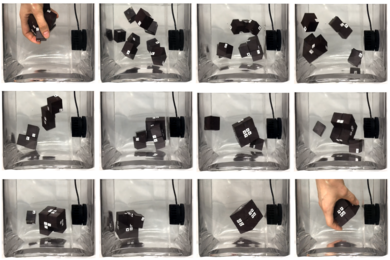
Researchers create a method for magnetically programming materials to make cubes that are very picky about what they connect with, enabling more-scalable self-assembly.
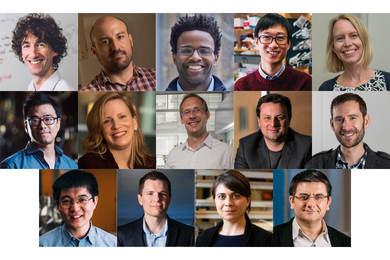
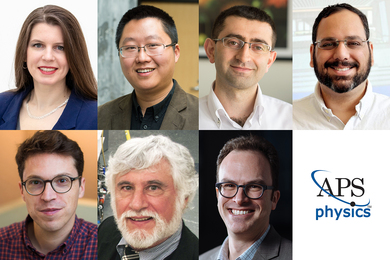
APS honors Anna Frebel, Liang Fu, Nuh Gedik, Or Hen, Nuno Loureiro, Fredrick Seguin, and Jesse Thaler for research, applications, teaching, and leadership.