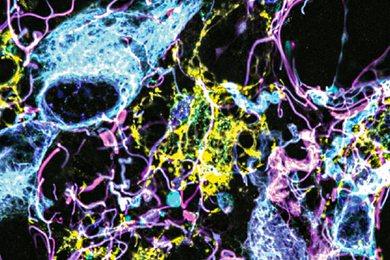
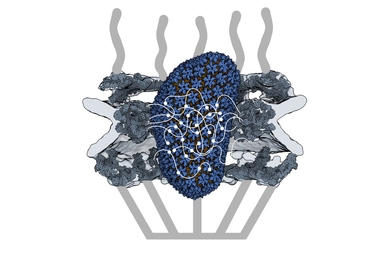
Awarded $65.67 million from ARPA-H, the researchers will work to develop ingestible capsules that deliver mRNA and electric stimuli to treat metabolic disorders such as diabetes.
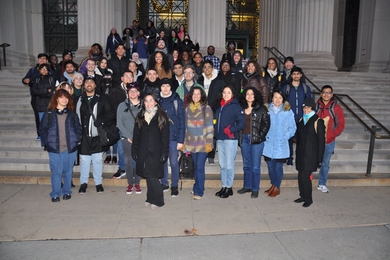
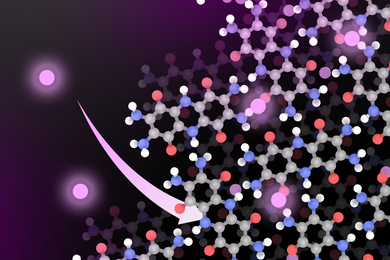
More than 80 students and faculty from a dozen collaborating institutions became immersed at the intersection of computation and life sciences and forged new ties to MIT and each other.
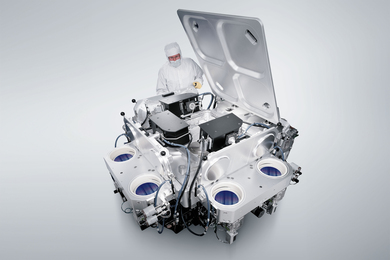
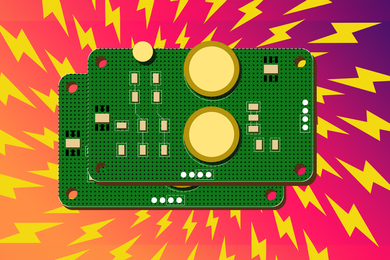
The advanced fabrication tools will enable the next generation of microelectronics and microsystems while bridging the gap from the lab to commercialization.
State-of-the-art toolset will bridge academic innovations and industry pathways to scale for semiconductors, microelectronics, and other critical technologies.
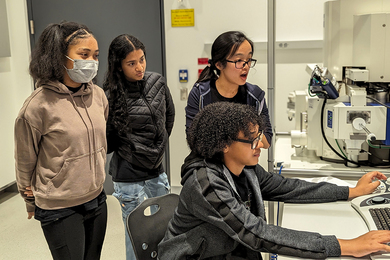
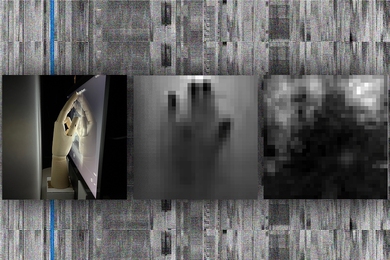
The ambient light sensors responsible for smart devices’ brightness adjustments can capture images of touch interactions like swiping and tapping for hackers.