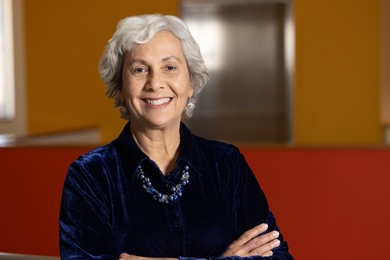
MIT CSAIL Principal Research Scientist Una-May O’Reilly discusses how she develops agents that reveal AI models’ security weaknesses before hackers do.
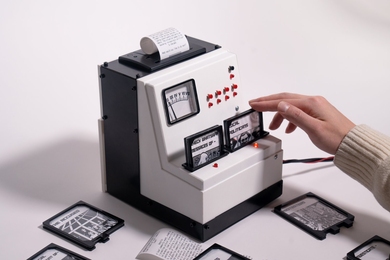
Projects from MIT course 4.043/4.044 (Interaction Intelligence) were presented at NeurIPS, showing how AI transforms creativity, education, and interaction in unexpected ways.
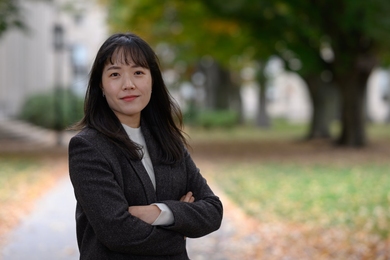
Youyeon Choi is leaning on her work experience in South Korea — a leading nation in nuclear energy — and her love of multi-physics modeling as she pursues her doctoral research.
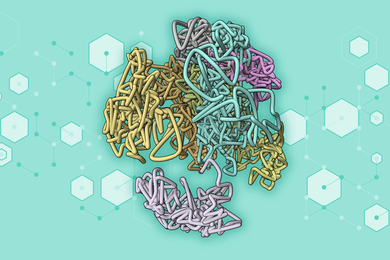
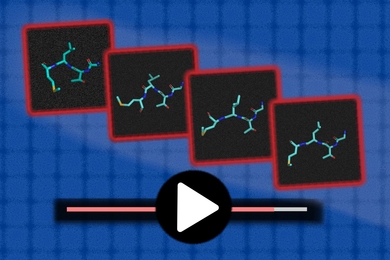
Starting with a single frame in a simulation, a new system uses generative AI to emulate the dynamics of molecules, connecting static molecular structures and developing blurry pictures into videos.
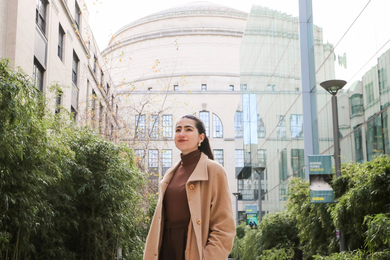
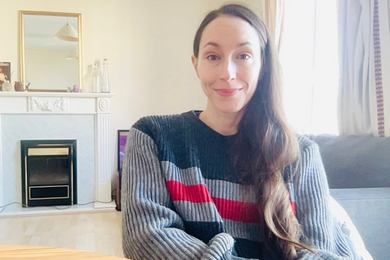
Psychologist and former professional dancer Bia Adams discovered a passion for computational neuroscience thanks to open-access MIT educational resources.
CTL research scientist will provide recommendations to the Federal Aviation Administration focused on the most significant human-factor risks to aviation safety.