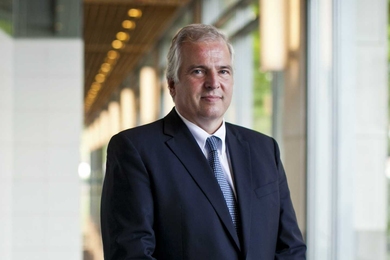
Chris A. Kaiser selected as MIT provost
Longtime member of the biology faculty to succeed L. Rafael Reif as the Institute’s senior academic and budget officer.
Longtime member of the biology faculty to succeed L. Rafael Reif as the Institute’s senior academic and budget officer.
New type of photovoltaic device harnesses heat radiation that most solar cells ignore.

Scientists map Shackleton crater, whose unusually bright floor may hint at the presence of ice.
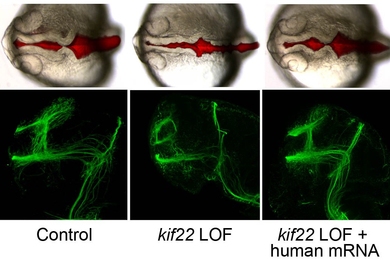
Biologists take a new approach to deciphering the roles of genes associated with autism.
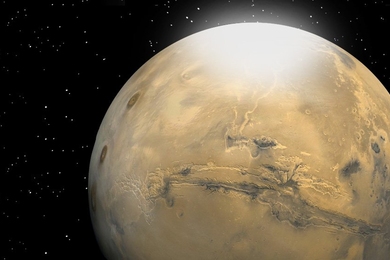
Mars’ carbon dioxide ‘snowflakes’ are about the size of red blood cells.
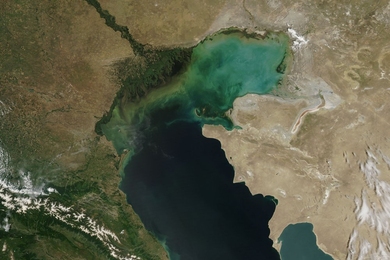
Deformation caused by colliding tectonic plates may threaten Azerbaijani capital, oil supplies to Europe.
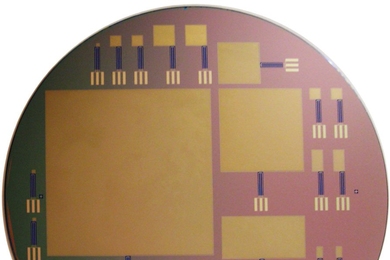
Implantable fuel cell built at MIT could power neural prosthetics that help patients regain control of limbs.
Findings could help fishery and wildlife managers monitor their stocks before disaster strikes.
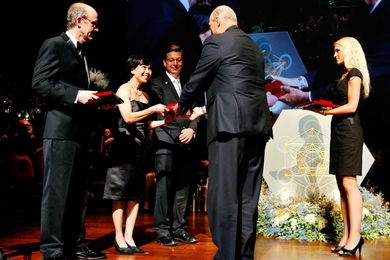
Biennial prizes in astrophysics, nanoscience and neuroscience include a $1 million cash award in each field.
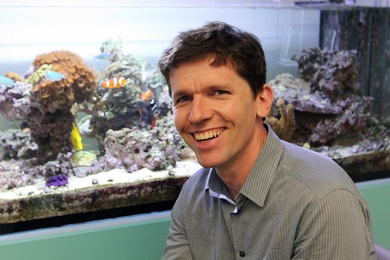
MIT biologist Schwartz relishes the challenge of picking apart the cell’s most complex structure.
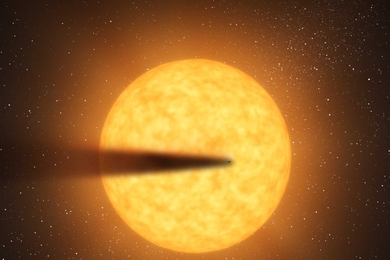
A planet’s dust cloud may explain strange patterns of light from its star.
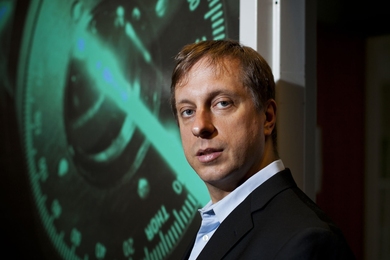
New technologies from Marin Soljacic’s lab could have a far-reaching impact on daily life.