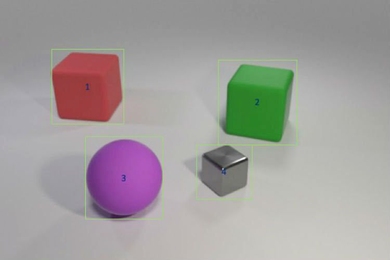
Teaching machines to reason about what they see
Researchers combine statistical and symbolic artificial intelligence techniques to speed learning and improve transparency.
Researchers combine statistical and symbolic artificial intelligence techniques to speed learning and improve transparency.
Ten staff members in the School of Science are recognized for going above and beyond their job descriptions to support a better Institute.
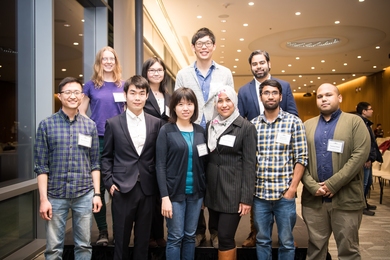
Inaugural homecoming event aims to build community among MIT postdocs, past and present.

“If we are very lucky, we might observe something new … or maybe even something totally unexpected.”
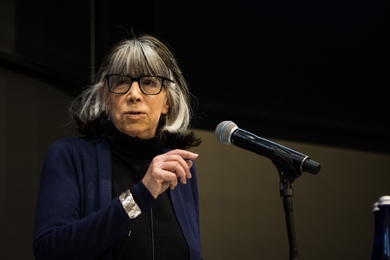
At this year's MacVicar Day symposium, faculty and students reflect on the challenges and joys of education in the 21st century.
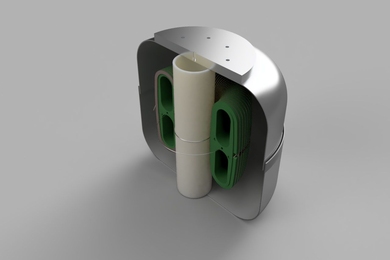
In its first run, ABRACADABRA detects no signal of the hypothetical dark matter particle within a specific mass range.
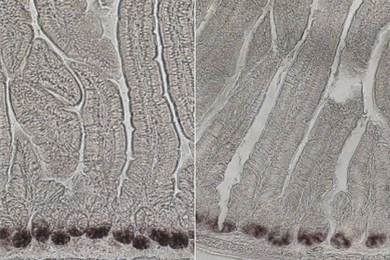
Study suggests that stimulating stem cells may protect the gastrointestinal tract from age-related disease.
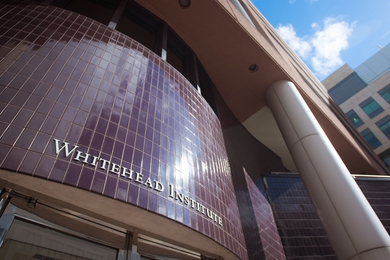
Search committee chaired by MIT President Emerita Susan Hockfield will identify new director for eminent biomedical institute.
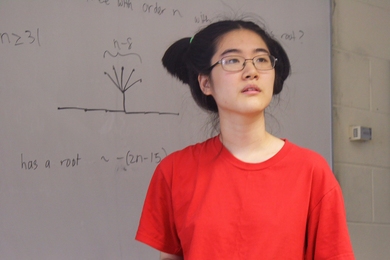
Senior Danielle Wang, a two-time Elizabeth Putnam Prize winner, is well on her way to becoming a career mathematician.
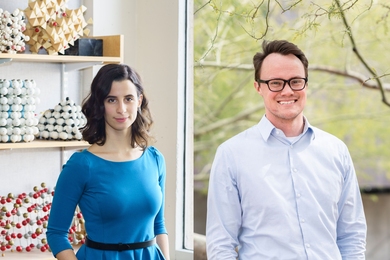
The Heising-Simons Foundation selects Clara Sousa-Silva and Benjamin Rackham for 51 Pegasi b Fellowships at MIT.
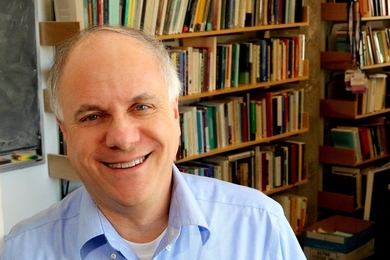
MIT Professor David Pesetsky describes the science of language and how it sheds light on deep properties of the human mind.
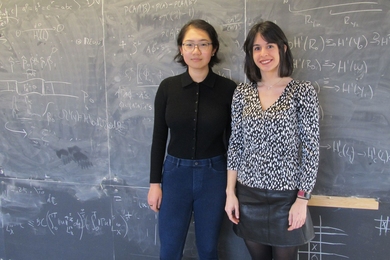
Female graduate students in the Department of Mathematics unite to encourage community and to extend an invitation to prospective MIT students.
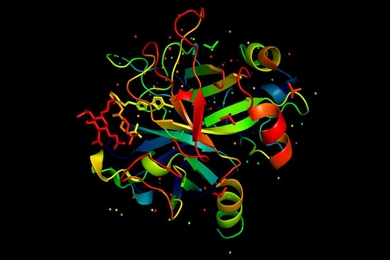
Technique could improve machine-learning tasks in protein design, drug testing, and other applications.
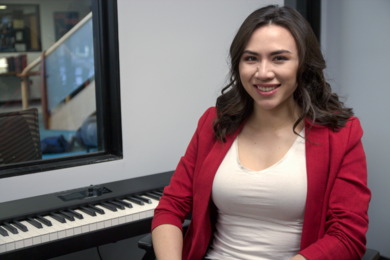
Senior chemistry major, athlete, and artist Audrey Pillsbury creates a musical about life as a second-generation Asian-American.
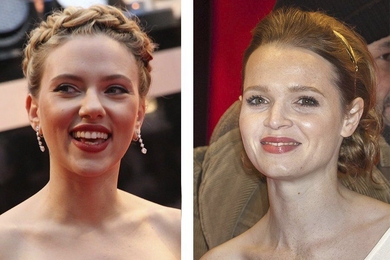
McGovern Institute researchers find that the brain starts to register gender and age before recognizing a face.