
Six from MIT awarded 2017 Fulbright grants
Grantees will spend the 2017-2018 academic year conducting research abroad.
Grantees will spend the 2017-2018 academic year conducting research abroad.
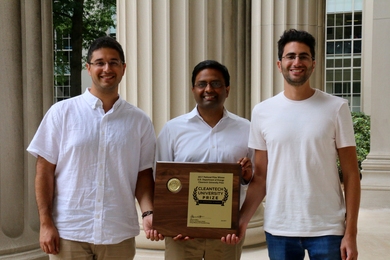
Startup is meeting global environmental needs by changing the way power plants use water.

New design boosts the power output of the best-performing chip-scale terahertz laser by 80 percent.

Patients with sleep disorders could be studied nonintrusively at home using wireless signals.

Simons Foundation supports enhanced computer infrastructure for MIT's Darwin Project, which focuses on marine microbes and microbial communities.
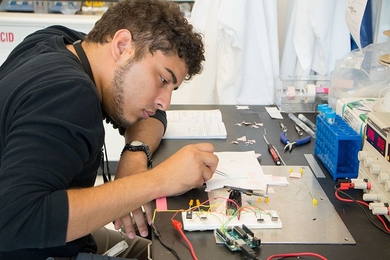
Summer Scholar Alejandro Aponte troubleshoots the design for an implantable pump that can deliver drugs to the brain.
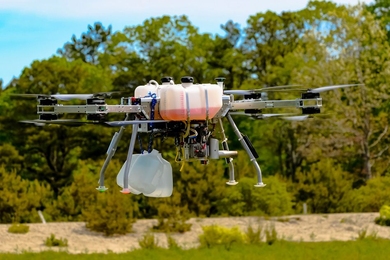
Startup’s gas-electric engines may pave way for package delivery and human flight.

Software lets designers exploit the extremely high resolution of 3-D printers.
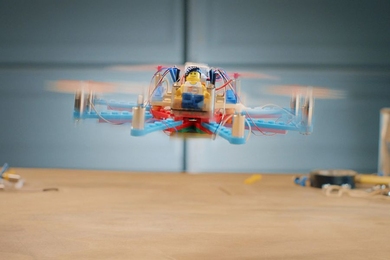
Co-founded by Amir Hirsch ’06, SM ’07, Flybrix drones offers people of all ages the ability to fly their ideas.

Researchers gauge a cell’s stiffness, which can reflect cancer or other conditions, simply by watching it.
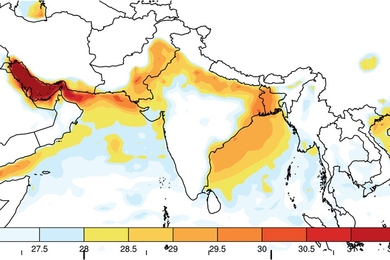
Without action, climate change could devastate a region home to one-fifth of humanity, study finds.

Mechanical engineering professor will help guide educational initiatives and strategy.

System can apply a range of styles in real-time, so that the viewfinder displays the enhanced image.
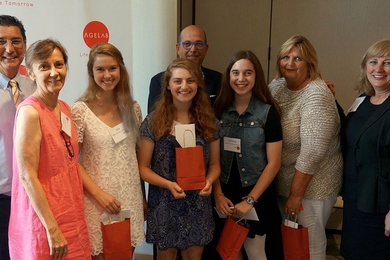
Students recognized for their leadership in fostering intergenerational connections within their communities.
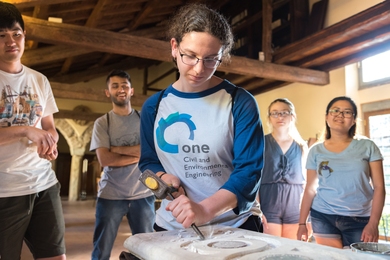
Materials in Art, Archaeology and Architecture program takes students to Italy for unique fieldwork experience.