
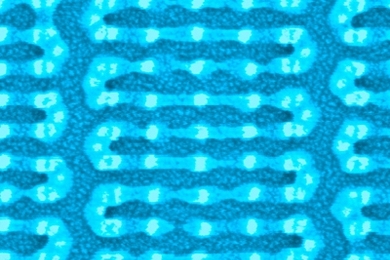
Self-assembling computer chips
Molecules that arrange themselves into predictable patterns on silicon chips could lead to microprocessors with much smaller circuit elements.

Zooming in on cells
New microscopy technique offers close-up, real-time view of how proteins kill bacteria
Unraveling silks’ secrets
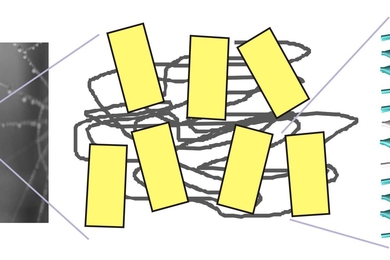
A new analysis of the structure of silks explains the paradox at the heart of their super-strength, and may lead to even stronger synthetic materials.
In the World: Nanotech on the farm
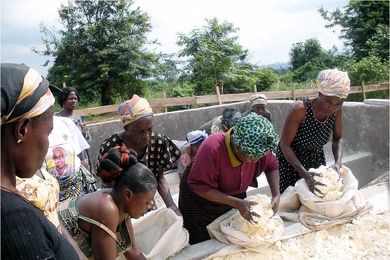
MIT chemical engineer Paula Hammond lends her nanotechnology expertise to farmers in Africa.

Covert to receive AIAA highest award
AeroAstro professor emeritus named recipient of the Reed Aeronautics Award.

Transforming the Infinite Corridor
The Laboratory for Advanced Materials puts materials science and engineering research on display.
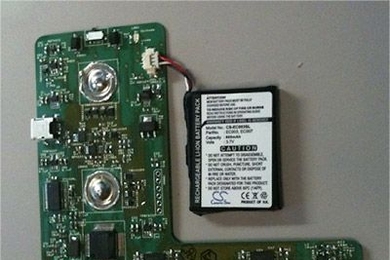
Revolutionizing medicine, one chip at a time
Low-power computer chips allow engineers to design wearable and implantable devices to monitor patients.


Listening in on single cells
A novel sensor array is the first to detect single molecules produced by living cells.
Insulators made into conductors
MIT team coaxes polymers to line up, transforming them into materials that could dissipate heat.
Big power from tiny wires
New discovery shows carbon nanotubes can produce powerful waves that could be harnessed for new energy systems.

Nuclear engineer Thomas Pigford, former MIT professor, dies at age 87
Helped lay the foundation for MIT’s graduate program in nuclear engineering