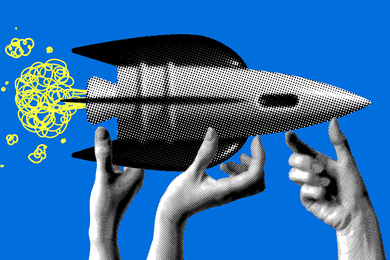
The next generation’s guide to the new space economy
An industry report published by students in an MIT aerospace entrepreneurship class lays out guidance for aspiring space leaders and investors.
An industry report published by students in an MIT aerospace entrepreneurship class lays out guidance for aspiring space leaders and investors.
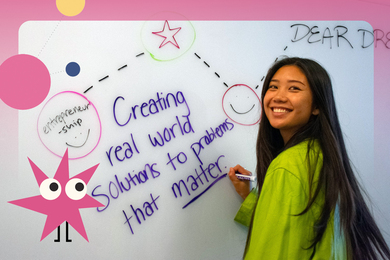
Martin Trust Center Managing Director Bill Aulet introduces Dear Dreamer, a free platform for middle and high school students who want to learn about entrepreneurship.

In a study focusing on hiring decisions, MIT researchers found the use of a single algorithm by many firms could benefit job seekers in certain situations.
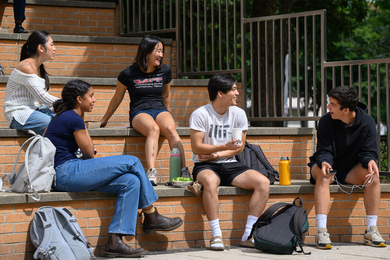
The Institute’s undergraduate engineering, computer science, and economics programs are No. 1; its business program is No. 2.
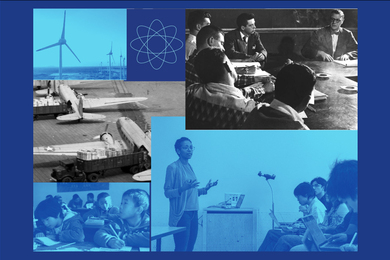
For 75 years, the Center for International Studies has brought together social scientists, engineers, and practitioners to understand global change, shape public debate, and address generational challenges.
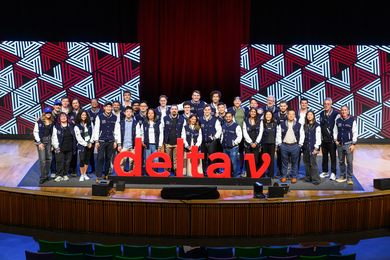
The event featured ventures solving problems in manufacturing, cybersecurity, health care spending, and more.
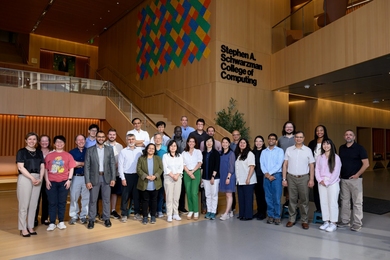
A weeklong summer workshop brought higher education faculty to campus to explore how AI and machine learning materials can be adapted for their classrooms.
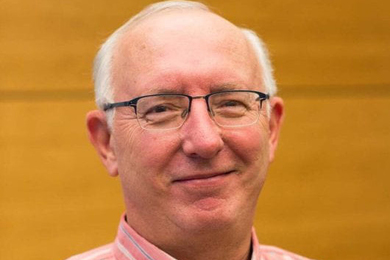
The senior lecturer, already director of the degree program, will now oversee all aspects of the center’s activities and operations.
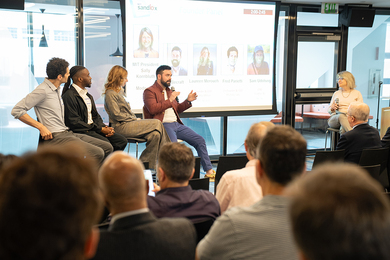
Through a decade of non-dilutive funding, hands-on mentorship, and a safe space to fail fast, the MIT Sandbox Innovation Fund Program has helped students translate curiosity into real-world impact.
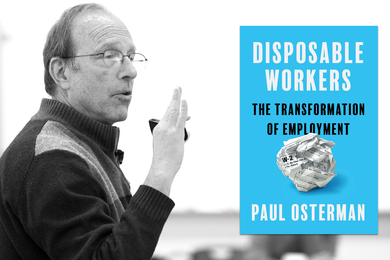
In a new book, Paul Osterman details his research finding more than one-third of the country’s workers are “disposable,” with little security or chance of job advancement.
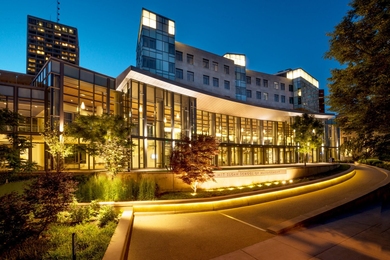
Dean Richard Locke discusses a new program that expands access for working professionals while deepening connections to Greater Boston’s innovation economy.

Their new study aims to give budding industry a framework for understanding how fusion can be profitable.
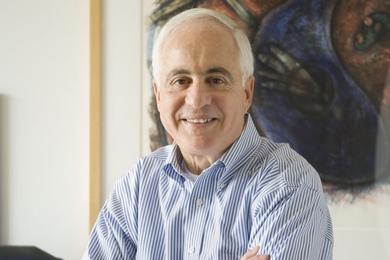
Architect of MIT’s interdisciplinary Program in Polymers and Soft Matter and the PhD in chemical engineering practice is remembered for his passion for mentorship and education.
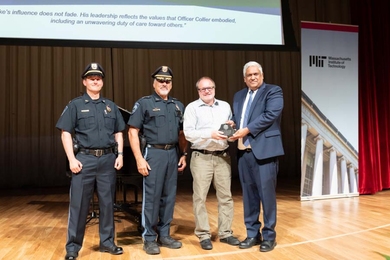
The MIT community celebrated the talent, dedication, and impact of its staff.
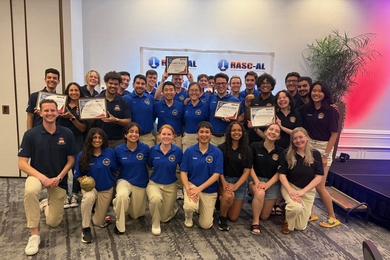
Three MIT teams took five top awards in the 2026 NASA RASC-AL Competition for designing critical elements for the moon base and future missions to Mars.