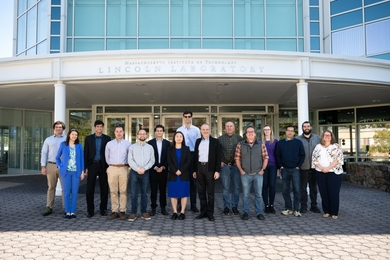
Three Lincoln Laboratory technologies receive 2026 R&D 100 Awards
A secure operating system, a quantum microsystem platform, and a 5G interference-canceling algorithm are named among the year's most significant innovations.
A secure operating system, a quantum microsystem platform, and a 5G interference-canceling algorithm are named among the year's most significant innovations.
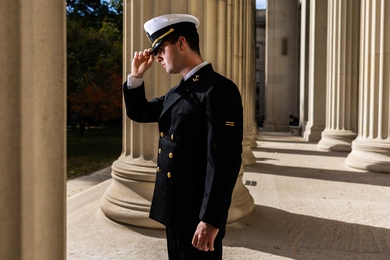
Through leadership roles in ROTC and Camp Kesem, plus navigating an academic pivot, senior Andrew Voelsing has learned to face new challenges with enthusiasm.

A new system identifies and corrects unreliable object descriptions stored in a robot’s memory, improving the robot’s ability to interact with its environment.
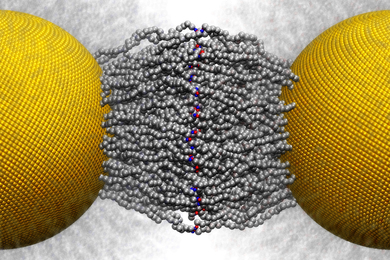
Pliable connector molecules could be key to creating nanoparticle-based materials for photonics, chemical catalysis, medicine, and more.
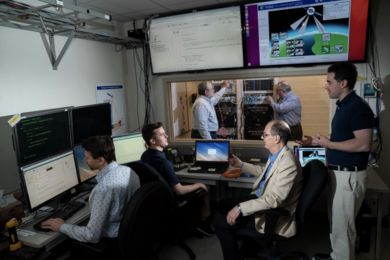
Lincoln Laboratory’s new key-management architecture solves the dilemma of how to refresh cryptographic keys securely, quickly, and widely for U.S. forces.
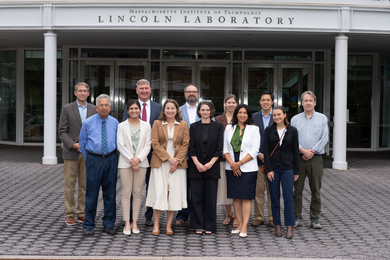
Roadshow event highlights Massachusetts' defense-biotechnology ecosystem.
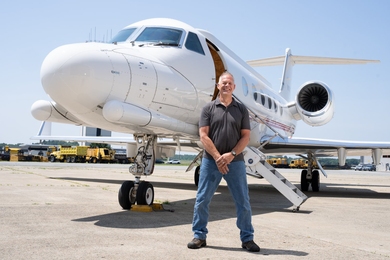
The aircraft mechanic is the lead crew chief of Lincoln Laboratory’s Gulfstream IV and recently oversaw the plane’s major modification.

Making a decision requires juggling a set of options without getting them confused or losing track of them. A new MIT study shows how neurons encode information to maximize clarity throughout the process.
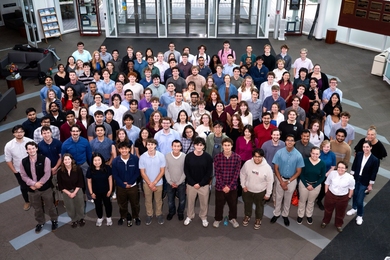
Anna Raymaker and Vivek Jagadeesh tackled cybersecurity threats to ships and inside operating systems, respectively.
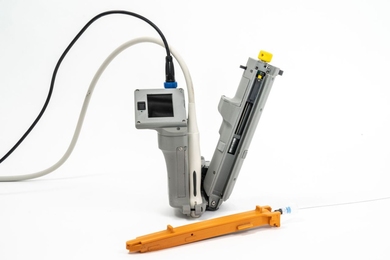
The handheld catheterization device AI-GUIDE, created by Lincoln Laboratory and Massachusetts General Hospital, promises improved health outcomes for injured service members and civilians.

The work is part of a multiyear effort to develop a distributed sensor network for relaying data collected from this critical region.

The modified aircraft will support an ongoing US Air Force program to assess and enhance the survivability of air and space vehicles.
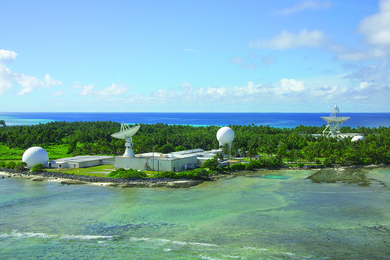
Members of the laboratory community reflect on technology impacts that shaped the United States and the world over the past 75 years.
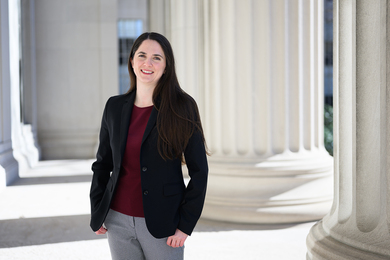
PhD student Lauren Fortier is building on the experience she gained operating a nuclear plant for the Navy to solve a critical hurdle in the wider adoption of the energy source.
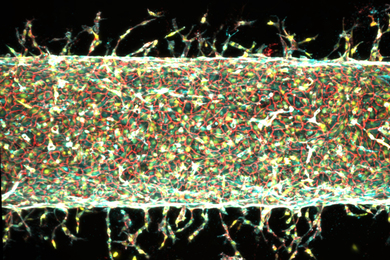
Gently stretching and pulling a “blood vessel on a chip” encourages controlled sprouting of new vessels, for possible use in artificial tissues or organs.