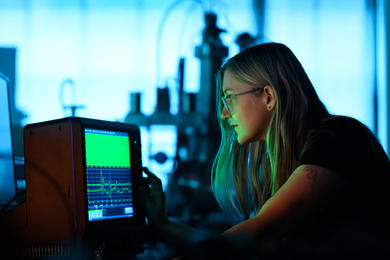
Fueling a return journey from Mars
PhD candidate Lanie McKinney is building technology to convert the Red Planet’s atmosphere into propellant for bringing astronauts home.
PhD candidate Lanie McKinney is building technology to convert the Red Planet’s atmosphere into propellant for bringing astronauts home.

Inaugural artist Amy Karle will join astrophysicists at MIT’s Kavli Institute to explore questions about the universe and translate them into an immersive multimedia experience.
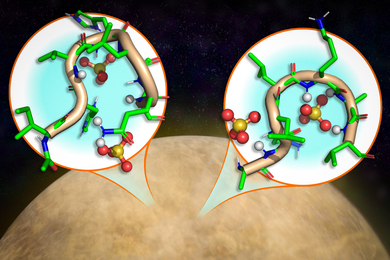
New research offers support for the possibility that complex biological molecules could exist in the highly acidic environment of Venus’s cloud layer.
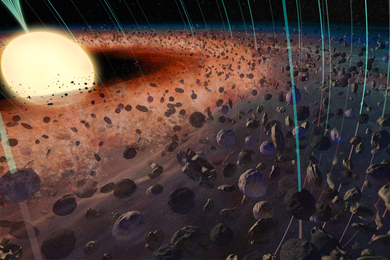
The discovery likely represents the earliest known evidence of a magnetic field in the infant solar system.
The MIT Haystack Observatory principal research scientist is honored for lifetime contributions to ionospheric research.
A new online platform helps engineers look beyond survival mode when designing habitats for extreme living conditions.
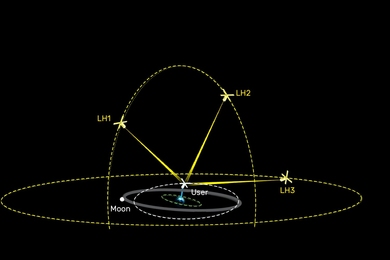
Acting as cooperative optical beacons, the satellites could provide GPS-like navigation and communications support for spacecraft operating across cislunar space.
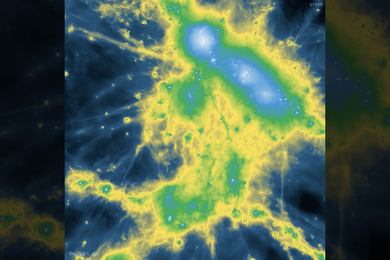
An MIT-led team used bright radio bursts to illuminate a vast source of matter that was previously unaccounted for.
The 1967 Outer Space Treaty bans nuclear weapons in space, but there’s currently no way to verify that satellites aren’t carrying them.
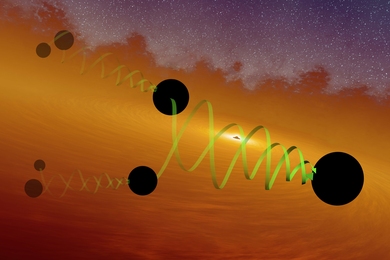
Physicists have found signs of colliding black holes that are themselves products of previous black hole smash-ups.
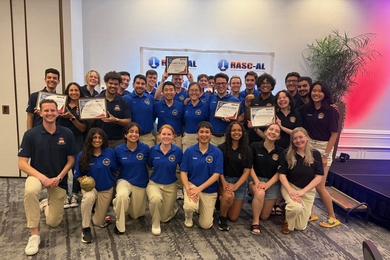
Three MIT teams took five top awards in the 2026 NASA RASC-AL Competition for designing critical elements for the moon base and future missions to Mars.
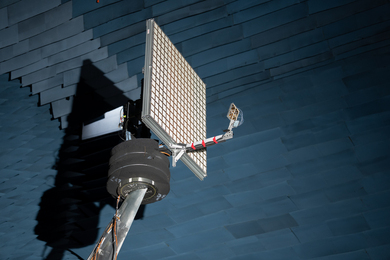
The prototype array uses a small, lightweight, low-power, and low-cost aperture.
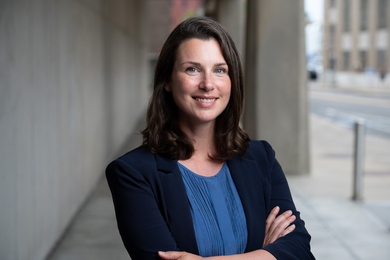
By analyzing X-ray reverberations and other astrophysical data, Erin Kara seeks to understand the most extreme objects in the universe.
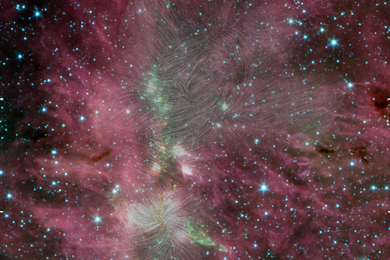
MIT Haystack Observatory researchers use SOFIA observations to reveal how magnetic fields guide the assembly of one of our galaxy's most active high-mass star-forming regions.
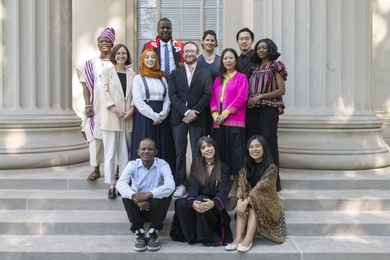
As the international program approaches its 60th year, leaders are reshaping its curriculum to address emerging technologies and the policies shaping their use in urban planning.