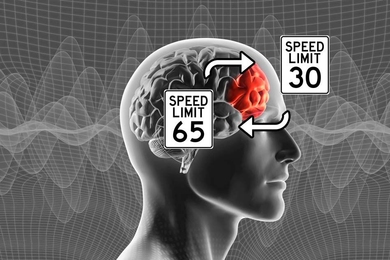
How the brain switches between different sets of rules
When you slow down after exiting the highway, or hush your voice in the library, you’re using this brain mechanism.
When you slow down after exiting the highway, or hush your voice in the library, you’re using this brain mechanism.

Double major Kerrie Greene builds connections in her research and her community.
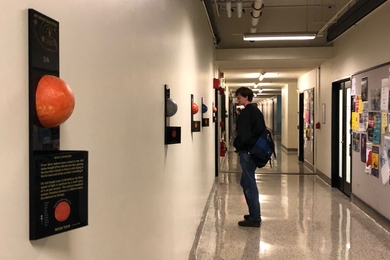
Professor Richard Binzel’s new Infinite Corridor installation models the solar system at scale.
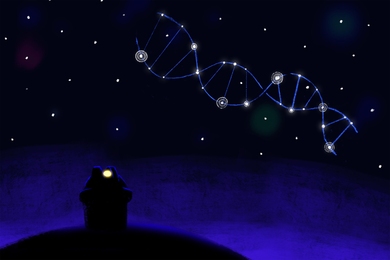
Study reveals the role of the activation domain, a part of transcription factors previously shrouded in mystery.
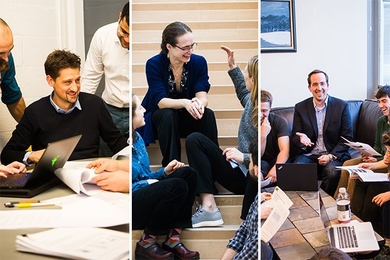
For three Committed to Caring honorees, mentorship is demonstrated through generosity and making connections.
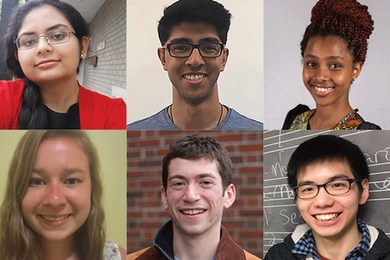
A roundup of MIT student research projects offers a glimpse of where computing is going next.
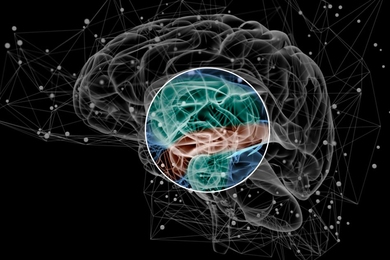
In a study that might enable earlier diagnosis, neuroscientists find abnormal brain connections that can predict onset of psychotic episodes.

Neuroscientists discover a circuit that helps redirect attention to focus on potential threats.

Researchers find most fantasy sports are based on skill, not luck.
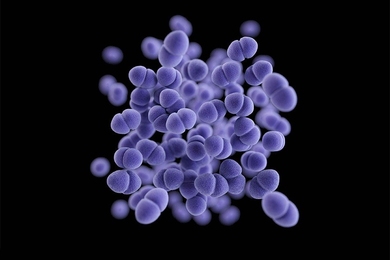
Simple method for linking molecules could help overcome drug resistant infections.
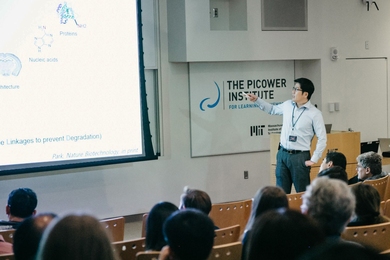
Speakers at the Picower Institute for Learning and Memory fall symposium highlight advances in microscopy, tissue engineering, and reporters of brain activity.

Toxin will accumulate in the environment, particularly in remote regions, as countries delay implementing emissions controls.
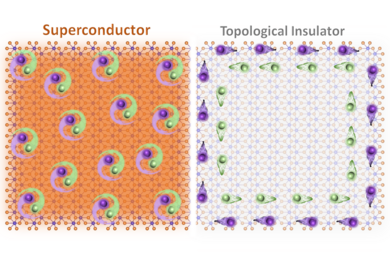
MIT researchers have demonstrated that a tungsten ditelluride-based transistor combines two different electronic states of matter.
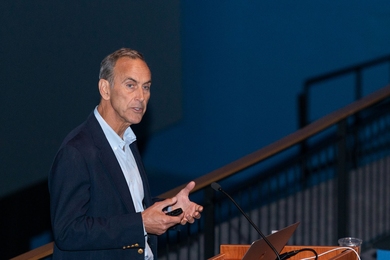
Mars expert John Grotzinger tells the story of exploration and the search for ancient life on the red planet at the annual Carlson Lecture.
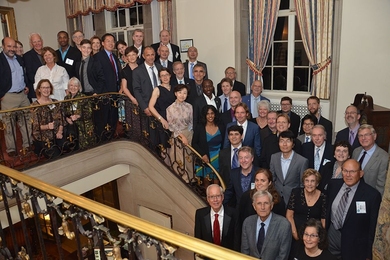
The AGAGE network celebrates 40 years of measuring ozone-depleting and climate-warming gases.