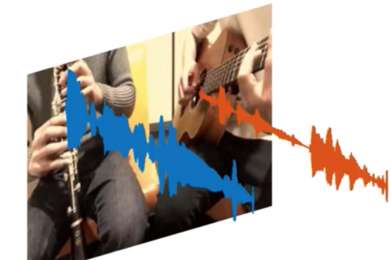
An AI system for editing music in videos
Given a video of a musical performance, CSAIL’s deep-learning system can make individual instruments louder or softer.
Given a video of a musical performance, CSAIL’s deep-learning system can make individual instruments louder or softer.
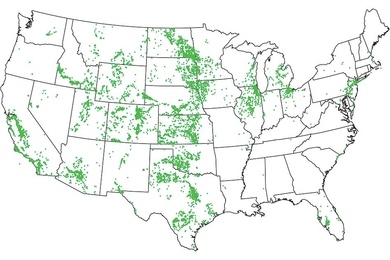
Water-starved areas could find new sources by desalinating water that’s much less salty than seawater.
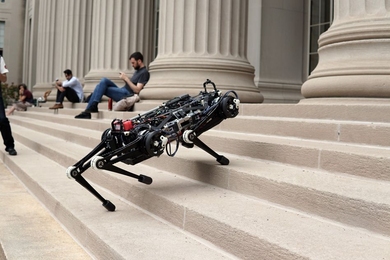
Improved design may be used for exploring disaster zones and other dangerous or inaccessible environments.
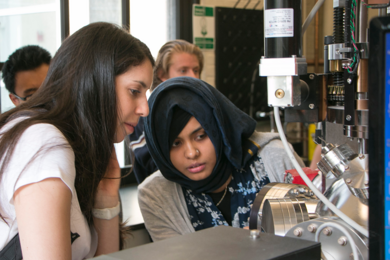
Lab assignments for MIT Materials Research Laboratory undergraduate researchers and teachers cut across disciplines.
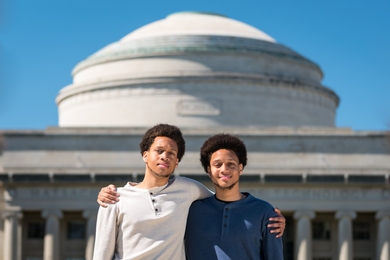
Incoming first-year students Malik and Miles George double down on their dream of attending MIT.
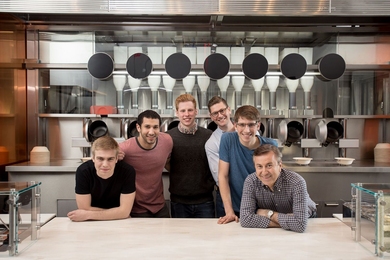
Spyce, a robot-assisted restaurant located in Boston, was invented to respond to a common MIT student desire: good, low-cost food.
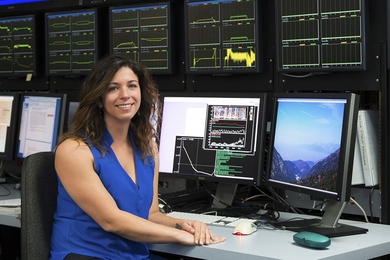
Postdoc Cristina Rea's detour into banking provides a new route back to plasma research.
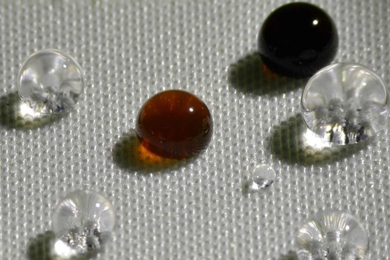
MIT-developed process could offer nontoxic alternative to environmentally harmful chemicals.
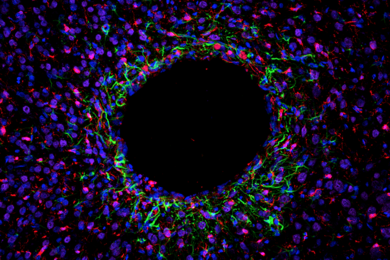
MIT researchers develop new tools to enable targeted delivery of drugs to deep brain structures through implanted microprobes.
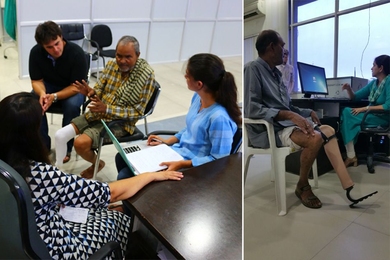
New design can be tuned to an individual’s body weight and size.
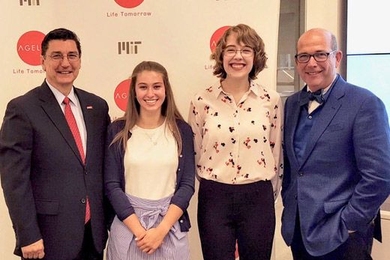
Local youth recognized for fostering unity across generations.
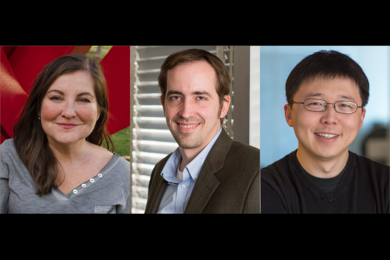
Three MIT faculty members selected for funding from the G. Harold and Leila Y. Mathers Foundation.

Study reveals atomic structure of tropoelastin, showing what goes wrong in some diseases.
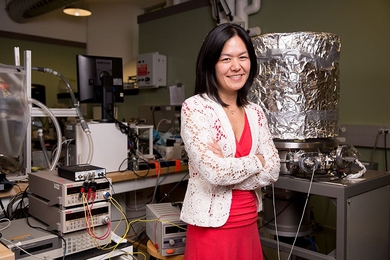
Expert in high-efficiency energy and water systems will succeed Gang Chen as MechE department head.
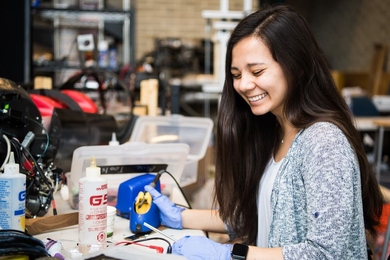
Graduate student Alexa Aguilar helps tiny satellites communicate and builds connections in her academic community.