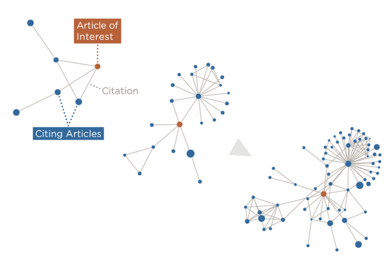
Using machine learning to predict high-impact research
DELPHI, an artificial intelligence framework, can give an “early-alert” signal for future key technologies by learning from patterns gleaned from previous scientific publications.
DELPHI, an artificial intelligence framework, can give an “early-alert” signal for future key technologies by learning from patterns gleaned from previous scientific publications.
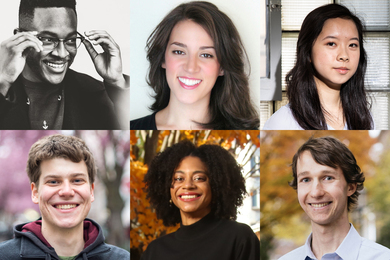
Fellowship funds graduate studies at Stanford University.

Theory-based residual neural network combines discrete choice models and deep neural networks, long viewed as conflicting methods.

McDowell will head civic design at new center, maintain leadership role at Department of Urban Studies and Planning.

Alfredo Alexander-Katz and Caroline Jones honored as “Committed to Caring.”
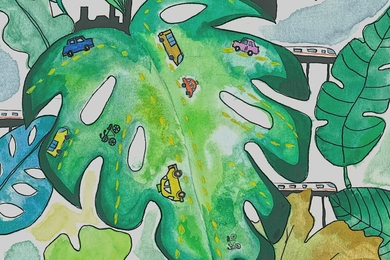
SMART research finds US road congestion increased by almost 1 percent while the duration of congestion rose by 4.5 percent.
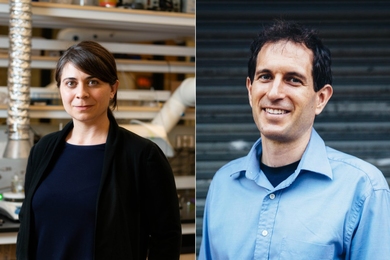
CEE and DUSP faculty members recognized for excellence in leadership, service, and impactful work tackling environmental and social justice issues.

Fellowship provides funding for graduate school and recognizes future public service leaders.

Andres Sevtsuk’s new work estimates foot traffic in cities — so planners and developers can study the flow of people, not just vehicles.

An unprecedented digitization program makes out-of-print works available as e-books for the first time.

Candles lit up Killian Court and Kresge Oval to recognize the 3,795-plus reported hate incidents over the course of the pandemic.

New publishing model provides unique and timely solutions to the production, curation, and preservation of knowledge.

Sidney Pacific residents empower each other to sustain community togetherness.

What motivates people in remote communities to decide to buy and use a particular energy source?
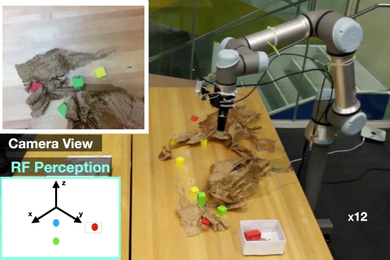
System uses penetrative radio frequency to pinpoint items, even when they’re hidden from view.