Poitras Center to fuel early careers of 50 young scientists dedicated to psychiatric disorders research
Patricia and James Poitras ’63 provide fellowships for graduate students and postdocs who will shape the future of mental health research.
Patricia and James Poitras ’63 provide fellowships for graduate students and postdocs who will shape the future of mental health research.
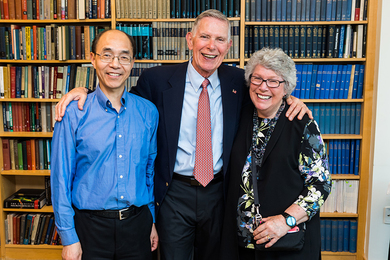
A commitment from longtime supporters Patricia and James Poitras ’63 initiates multidisciplinary efforts to understand and treat complex psychiatric disorders.
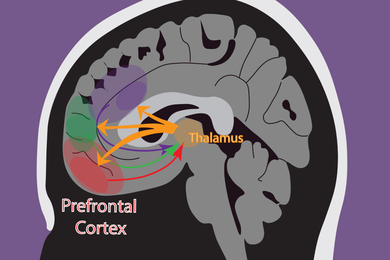
Dedicated circuits evaluate uncertainty in the brain, preventing it from using unreliable information to make decisions.
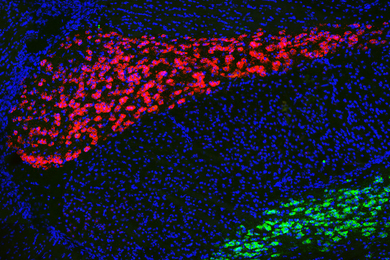
Study suggests a common mechanism underlies some behavioral traits seen in autism and schizophrenia.

Graybiel lab identifies genes linked to abnormal repetitive behaviors often seen in models of addiction and schizophrenia.
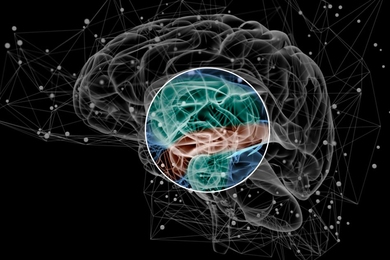
In a study that might enable earlier diagnosis, neuroscientists find abnormal brain connections that can predict onset of psychotic episodes.
Neuroscientists unravel Shank3 gene’s role in autism and schizophrenia.
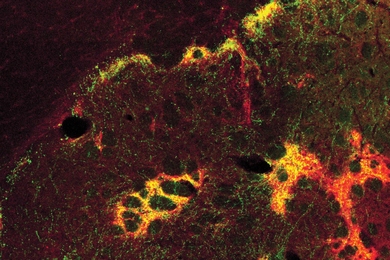
Neuroscientists identify a brain circuit that controls decisions that induce high anxiety.
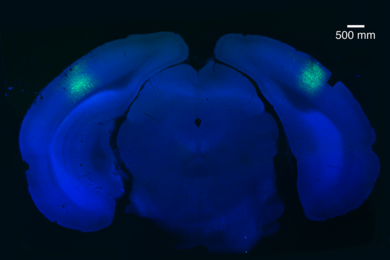
Discovery could lead to new treatments for cognitive disorders including autism and schizophrenia.
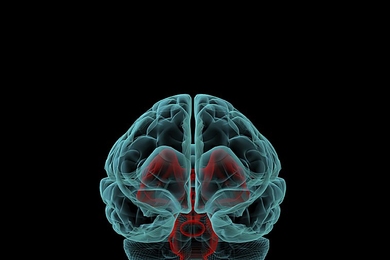
Neuroscientists discover neurological hyperactivity that produces disordered thinking.
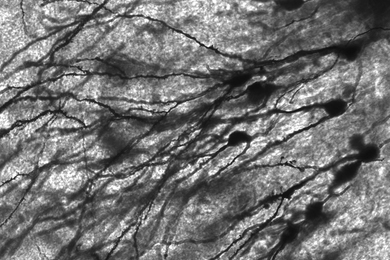
Discovery of how some neurons inhibit others could shed light on autism, other neurological disorders.
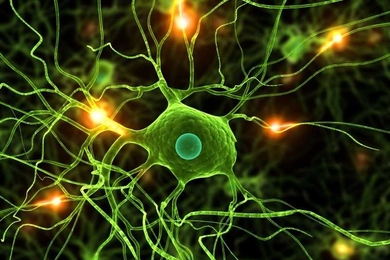
MIT neuroscientists show that a gene linked with schizophrenia and bipolar disorder impairs early brain development.
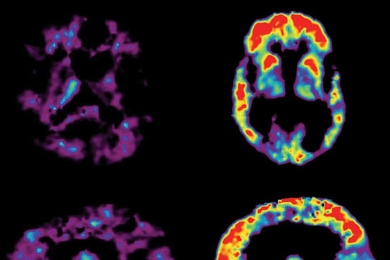
MIT neuroscientists are using their knowledge of the brain to generate promising treatments for autism, mental retardation and Alzheimer’s disease.