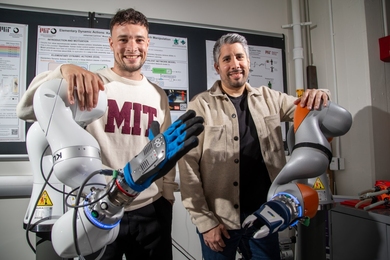
Personalized physical therapy: Stroke rehabilitation powered by AI
MIT engineers introduce an adaptive physical therapy system that uses generative AI to learn from physical therapists and interactively support stroke patients.
MIT engineers introduce an adaptive physical therapy system that uses generative AI to learn from physical therapists and interactively support stroke patients.
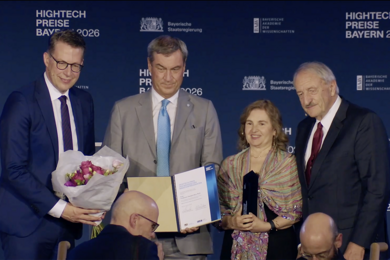
Director of CSAIL and MIT professor honored for her contributions to robotics, artificial intelligence, and autonomous systems.
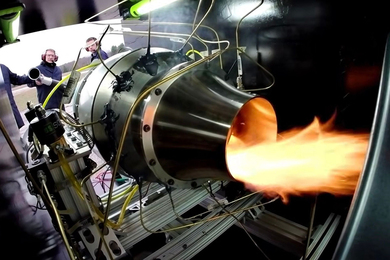
MIT students designed, built, and tested a jet engine with AI copilots, assessing AI’s usefulness in developing high-performance aerospace systems.
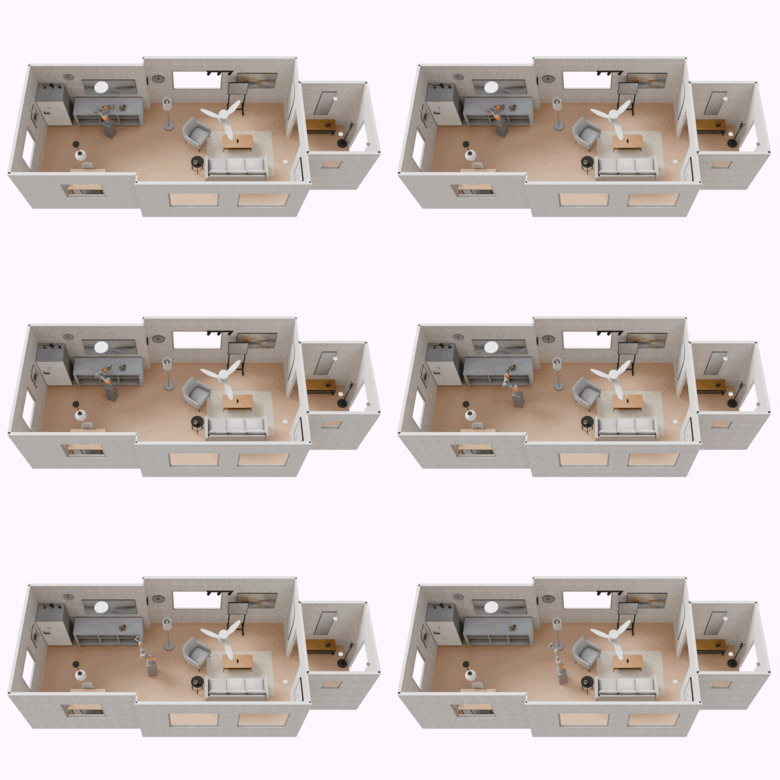
“SceneSmith” system uses collaborative AI agents to create realistic 3D environments of places like kitchens, hotels, and living rooms, where robots can simulate everyday chores.
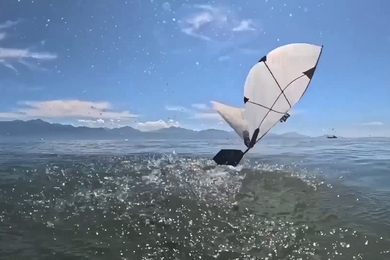
MIT engineers’ design could lead to a new class of aerial-aquatic vehicles for ocean exploration.
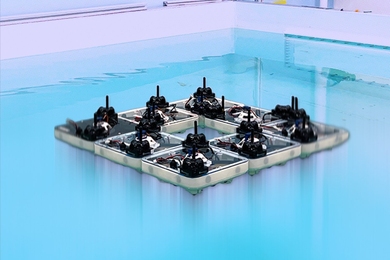
MIT researchers developed FloatForm, a swarm of small aquatic robots that snap together like ants forming a raft, assembling into reconfigurable structures on the water.
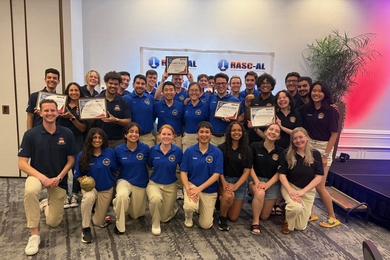
Three MIT teams took five top awards in the 2026 NASA RASC-AL Competition for designing critical elements for the moon base and future missions to Mars.

To help robots do chores in places like homes and factories, a new approach from MIT uses one language model to clarify users’ instructions, then another to ignore irrelevant info.
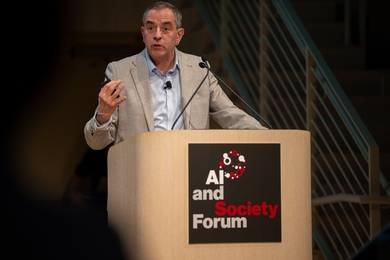
During the AI and Society Forum, leading MIT researchers examined critical questions about AI’s influence on employment and democracy.
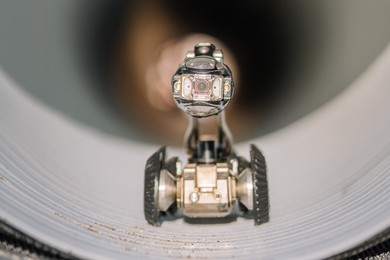
Researchers combined an efficient algorithm with dedicated hardware to rapidly generate 3D maps for navigation using minimal memory and power.
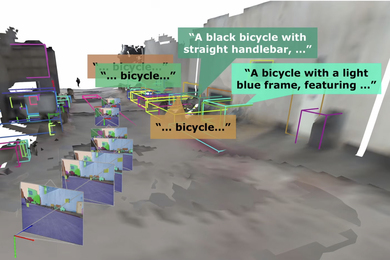
A new spatial memory system for robots efficiently captures details about the objects they see while exploring their environment.
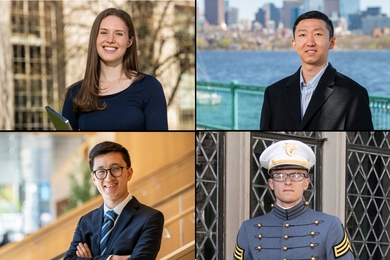
The fellowships in applied sciences, engineering, and mathematics recognize doctoral students who are pursuing solutions to the most pressing challenges in science and technology.

The “Sonar-MASt3R” combines sonar and visual data to create real-time 3D maps, even in cloudy water.
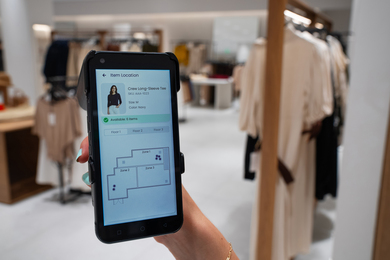
Using technology invented at MIT, Cartesian’s system for locating objects could also find uses in manufacturing, logistics, and robotics.
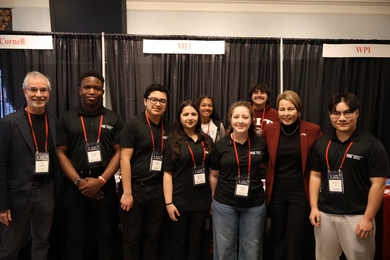
A new MIT student club for FIRST Robotics alumni aims to promote hands-on STEM education enrichment for K-12 students.