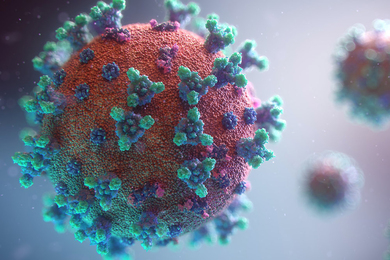
SMART researchers develop a method for rapid, accurate virus detection
Four times faster than conventional PCR methods, new RADICA approach is highly specific, sensitive, and resistant to inhibitors.
Four times faster than conventional PCR methods, new RADICA approach is highly specific, sensitive, and resistant to inhibitors.

Study demonstrates the power of low-cost air quality sensors during volcanic eruption.
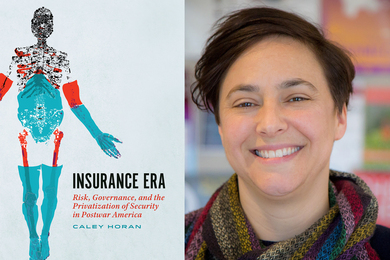
MIT historian Caley Horan’s new book chronicles the development of the insurance business into a U.S. behemoth.

Selective global honor supports early-career scientists and engineers in taking on new pursuits.

At Picower Institute symposium, speakers describe harms of early exposure to trauma, racism, as well as the restorative power of understanding, nurturing, and extending opportunity.

Technology solutions to climate change, disaster response, and global health challenges are up for discussion in a new Lincoln Laboratory lecture series.

In the U.S. and globally, cultures with a high level of collectivism tend to encourage masking during the pandemic.

Senior Fiona Chen combines economics research and student advocacy to study the pandemic’s effect on students.

Different social and racial groups have varying views of the problem’s urgency.

McDowell will head civic design at new center, maintain leadership role at Department of Urban Studies and Planning.

MIT alumni and friends from around the globe attended an online event that featured presentations from Institute leaders, faculty, and alumni about human health-related research.

Black women are more vulnerable than white men, illustrating how race and gender intersect to shape health outcomes.

MIT researchers have developed a publicly available model based on physics and data from past spreading events.

MIT spinout OPT Industries uses novel additive manufacturing systems to create intricately-designed products.

Seven MIT researchers see lessons and opportunities for US health care.