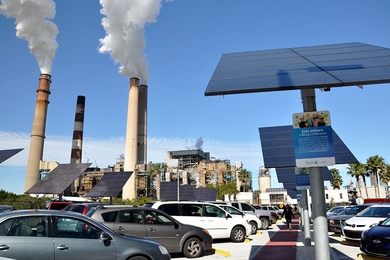

Researchers design coatings to prevent pipeline clogging
Solution developed at MIT could stop buildup of hydrate ices that slow or block oil and gas flow.

Environmentalist and explorer
Senior Elizabeth Rider uses atmospheric chemistry research to create international connections.

Scene at MIT: Ellen Swallow Richards leads the Woman's Laboratory
A trailblazing industrial and environmental chemist, Ellen Swallow Richards was MIT’s first female graduate and first female instructor.
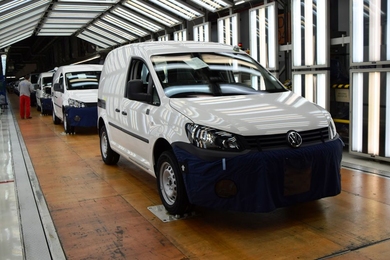
Study: Volkswagen’s excess emissions will lead to 1,200 premature deaths in Europe
Countries hit hardest by automaker’s emissions scandal include Germany, Poland, France, and Czech Republic.
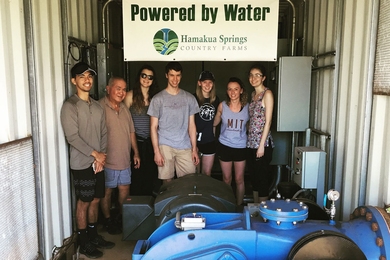
Getting their hands dirty: Students experience fieldwork in Hawaii
TREX program from the Department of Civil and Environmental Engineering offers undergraduates the opportunity to get out in the field.
Modeling the unequal benefits of U.S. environmental policy
New toolset evaluates economic impacts of ozone reduction policies for nine income groups.
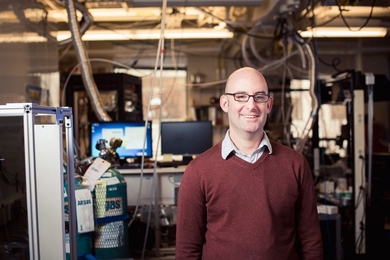
Zeroing in on the chemistry of the air
Jesse Kroll examines how pollutants change chemically as they waft around the globe.
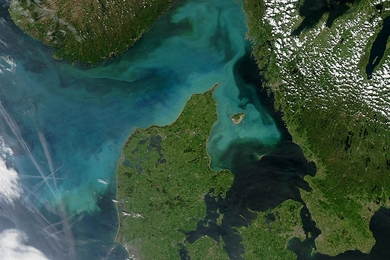
Projecting food, water, energy, climate and other global changes
Marking 25 years of science and policy studies, the MIT Joint Program launches new website showcasing its expanded research portfolio.
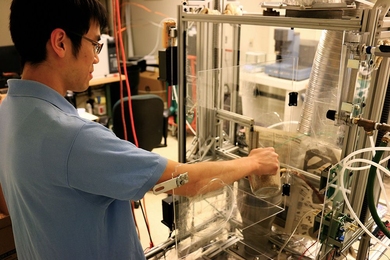
Tapping the hidden value of farm waste
MIT researchers are developing mobile torrefaction technology that can convert biomass into clean-burning fuel, unlocking potential income for farmers.

Two from MIT honored at World Technology Awards
PhD candidate Maher Damak and Professor Moungi Bawendi recognized for advances in engineering and chemistry.

Mapping out a low-carbon future
Energy scenarios provide useful decision-support tools for policymakers and investors.

Study: Technological progress alone won’t stem resource use
Researchers find no evidence of an overall reduction in the world’s consumption of materials.
House rules
Research shows how rebuilding Britain’s Houses of Parliament in the 1800s helped create clean-air laws.
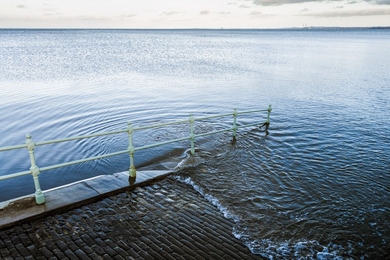
Short-lived greenhouse gases cause centuries of sea-level rise
Through warming effects, methane and other gases impact rising seas long after leaving the atmosphere.