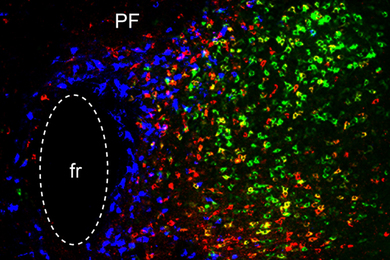
Three distinct brain circuits in the thalamus contribute to Parkinson’s symptoms
Targeting these circuits could offer a new way to reverse motor dysfunction and depression in Parkinson’s patients.
Targeting these circuits could offer a new way to reverse motor dysfunction and depression in Parkinson’s patients.
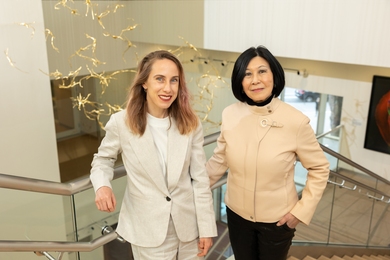
K. Lisa Yang Brain-Body Center to investigate the brain’s complex relationship with other body systems.
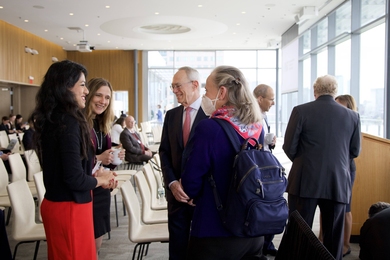
MIT and Mass General Brigham researchers and physicians connect in person to bring AI into mainstream health care.
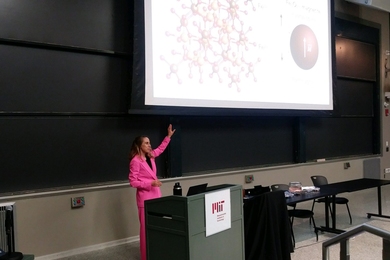
Professor Polina Anikeeva’s innovation in the treatment of neurological disorders highlights the interdisciplinary nature of her field.
How 3D-printed models of neuronal axons could accelerate development of new therapies to treat neurodegenerative disorders.

Two MIT faculty members earn funding from the G. Harold and Leila Y. Mathers Foundation.
Tool developed at MIT simultaneously measures chemical and electrical brain signals, revealing unexpectedly complex relationship between brain signals.
Collaborative research center funded by Lisa Yang and Hock Tan ’75 blends engineering and neuroscience to advance molecular tools for treating brain disorders.
At MIT, senior Tarun Kamath has explored neuroscience and science policy, while helping his peers find ways to reduce stress.

Gifts to MIT and Harvard Medical School totaling $9 million will fund independent research on cannabinoid’s influence on brain health and behavior.
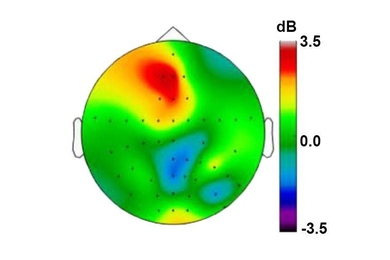
Finding could improve development of personalized psychiatric treatments.
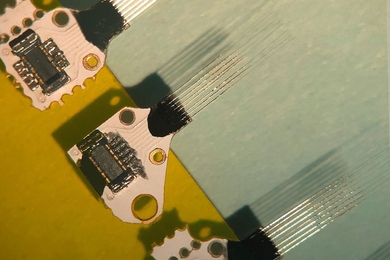
Tiny probes could be useful for monitoring patients with Parkinson’s and other diseases.
Biological engineers identify genes that protect against protein linked to Parkinson’s disease.
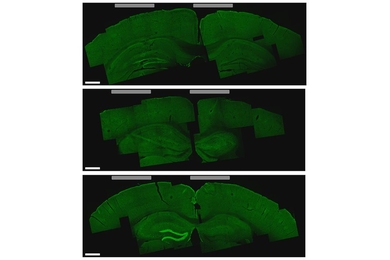
Electrodes placed on the scalp could help patients with brain diseases.
Discovery of how amyloids bind metal ions sheds light on protein function.