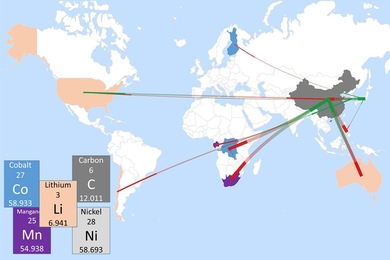
Will metal supplies limit battery expansion?
Rise of electric vehicles and grid storage may cause bottlenecks, but no showstoppers, analysis suggests.
Rise of electric vehicles and grid storage may cause bottlenecks, but no showstoppers, analysis suggests.
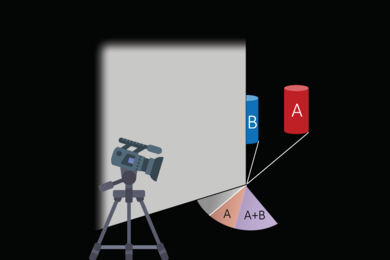
Using smartphone cameras, system for seeing around corners could help with self-driving cars and search-and-rescue.
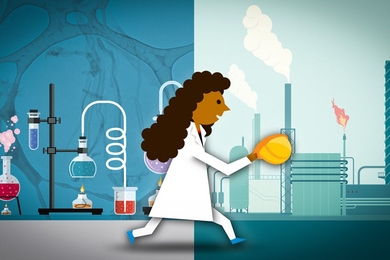
Project reveals benefits of communicating with industry when conducting research.
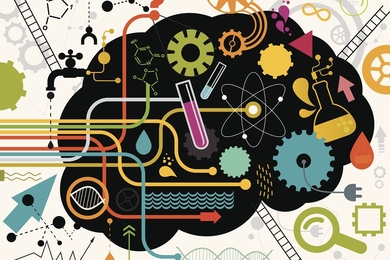
Ceremony honors research that may have once seemed obscure but has had significant social impact.
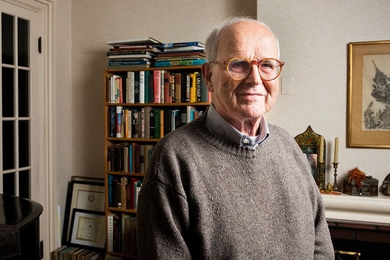
LIGO inventor and professor emeritus of physics recognized “for decisive contributions to the LIGO detector and the observation of gravitational waves.”
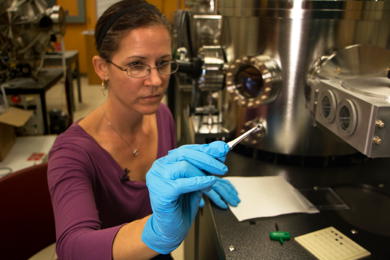
Summer Scholar Stephanie Bauman interns in Luqiao Liu lab synthesizing and testing manganese gallium samples for spintronic applications.
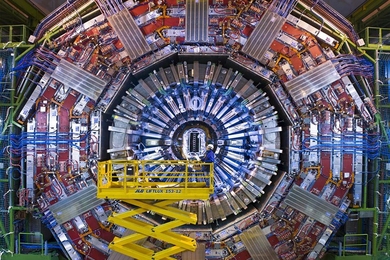
CERN Open Data Portal results reveal predictable patterns from colliding high-energy protons.
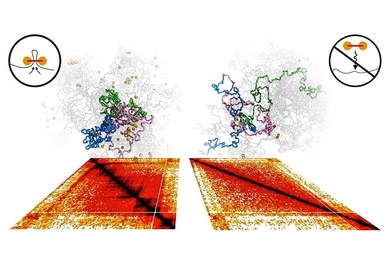
Experiments confirm hypothesis about how the genome becomes organized into “neighborhoods.”
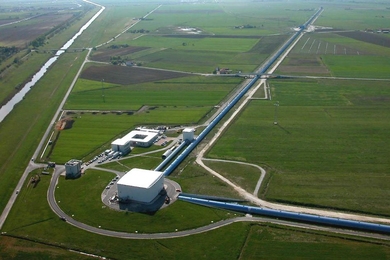
Finding represents first joint detection of gravitational waves with both detectors.
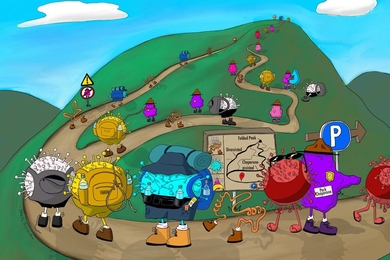
Influenza viruses can hijack host cellular machinery to help mutated viral proteins fold and function.

Study finds infants try harder after seeing adults struggle to achieve a goal.
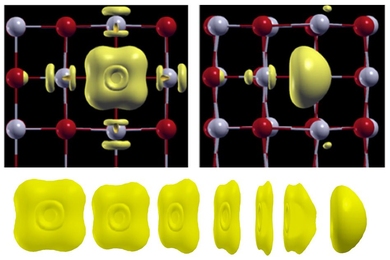
Harnessing these imperfections could have implications for computer memory and energy conversion.
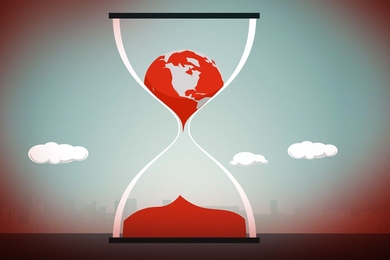
By 2100, oceans may hold enough carbon to launch mass extermination of species in future millennia.
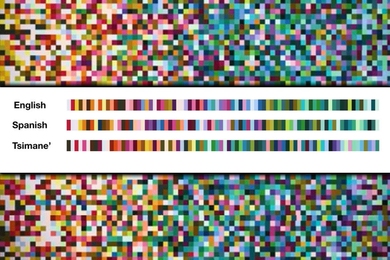
Cognitive scientists find that people can more easily communicate warmer colors than cool ones.

Microfluidic device uses acoustics to quickly analyze blood for signatures of cancer and other diseases.