Cosmic rays may soon stymie quantum computing
Building quantum computers underground or designing radiation-proof qubits may be needed, researchers find.
Building quantum computers underground or designing radiation-proof qubits may be needed, researchers find.
IAIFI will advance physics knowledge — from the smallest building blocks of nature to the largest structures in the universe — and galvanize AI research innovation.
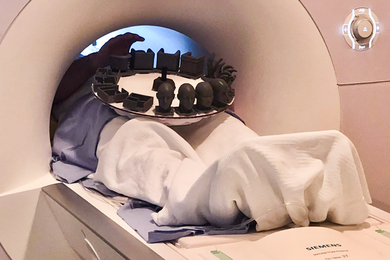
Study finds that the fusiform face area is active when blind people touch 3D models of faces.
Storage tool developed at MIT CSAIL adapts to what its datasets’ users want to search.
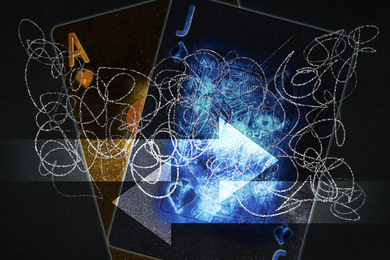
Study finds quantum entanglement could, in principle, give a slight advantage in the game of blackjack.
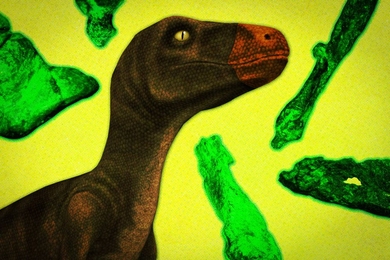
Geological evidence suggests the known dinosaur groups diverged early on, supporting the traditional dinosaur family tree.
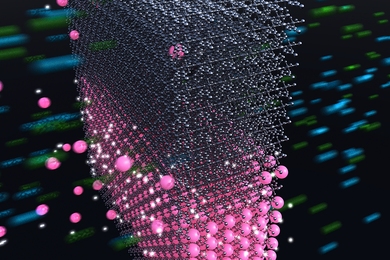
Multidisciplinary team uses metal organic frameworks to extract radioactive krypton from fuel-reprocessing gasses.

Presidents of MIT and Indiana University urge America’s leaders to support bipartisan innovation bill.

New method for producing thermoset plastics allows them to be broken down more easily after use.
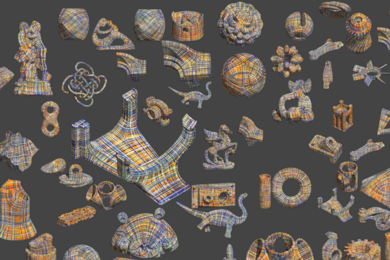
New work on 2D and 3D meshing aims to address challenges with some of today’s state-of-the-art methods.
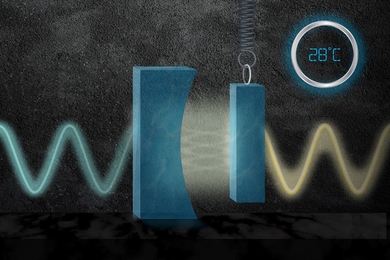
“Light squeezer” reduces quantum noise in lasers, could enhance quantum computing and gravitational-wave detection.
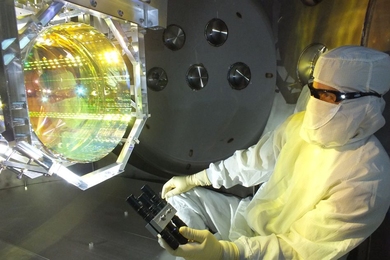
Study shows LIGO’s 40-kilogram mirrors can move in response to tiny quantum effects, revealing the “spooky popcorn of the universe.”
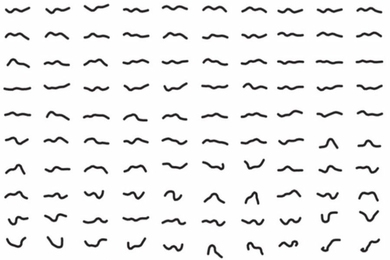
To spy on worms for days on end, Picower Institute scientists invent a new open-source microscopy platform.

Removable adhesive could make it easier for surgeons to close up internal wounds.
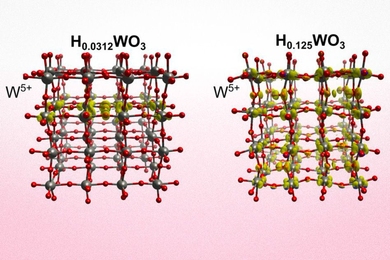
Ion-based technology may enable energy-efficient simulations of the brain’s learning process, for neural network AI systems.