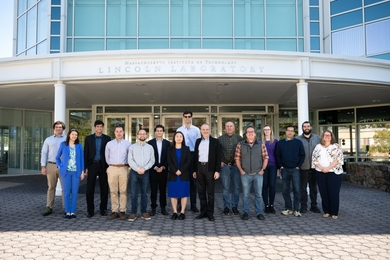
Three Lincoln Laboratory technologies receive 2026 R&D 100 Awards
A secure operating system, a quantum microsystem platform, and a 5G interference-canceling algorithm are named among the year's most significant innovations.
A secure operating system, a quantum microsystem platform, and a 5G interference-canceling algorithm are named among the year's most significant innovations.
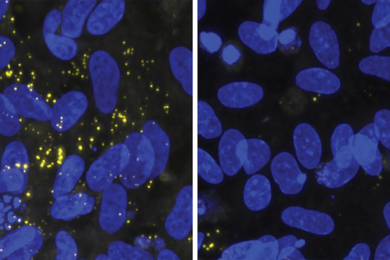
MIT researchers showed that the APOE4 gene variant suppresses molecular signaling needed for oligodendrocytes to myelinate neurons and also demonstrated a proof-of-concept fix.
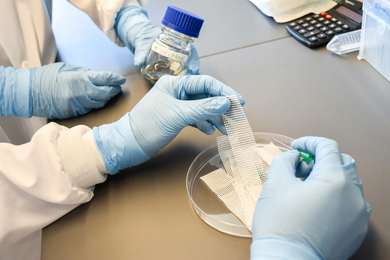
SanaHeal has developed a biologically compatible adhesive that sticks to wet tissues to simplify a variety of surgeries.
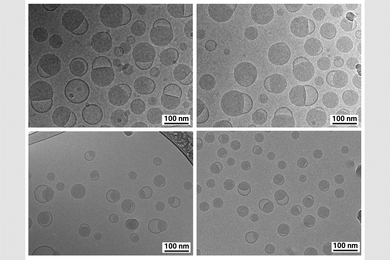
MIT chemical engineers found a way to rapidly produce lipid nanoparticles of varying sizes, which could make it easier to develop new vaccines and therapeutics.
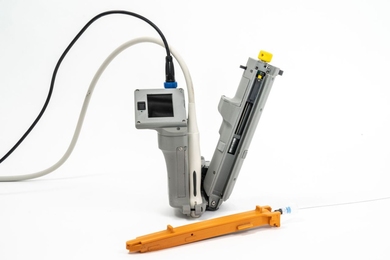
The handheld catheterization device AI-GUIDE, created by Lincoln Laboratory and Massachusetts General Hospital, promises improved health outcomes for injured service members and civilians.
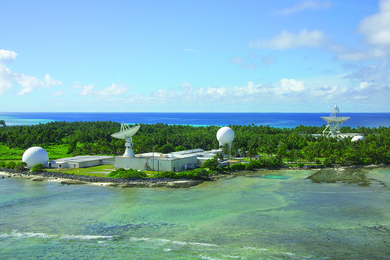
Members of the laboratory community reflect on technology impacts that shaped the United States and the world over the past 75 years.
Through research and entrepreneurship, Professor Devavrat Shah is helping to design methods that can handle constant decision-making using limited computational resources.
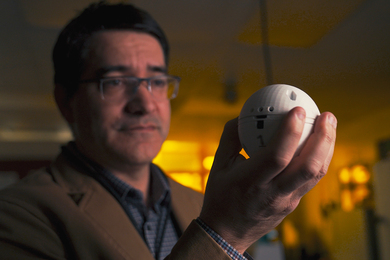
The “TOSSIT” device, developed at MIT Lincoln Laboratory, can warn service members and first responders of dangerous vapors and aerosols.
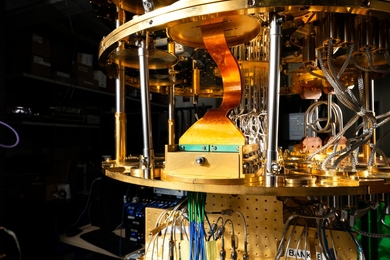
A prototype wiring system for dilution refrigerators could advance the realization of practical quantum computers.
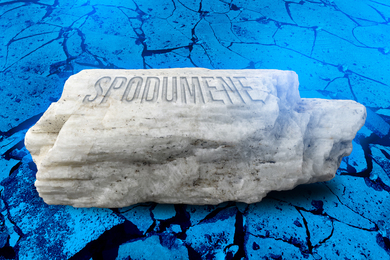
The low-temperature process could unlock cleaner lithium from America’s abundant hard rock while minimizing waste.
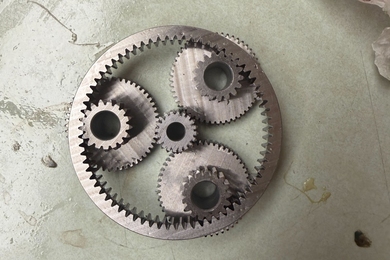
Ferrium C61 was designed with the aid of computers in a field pioneered at the Institute.
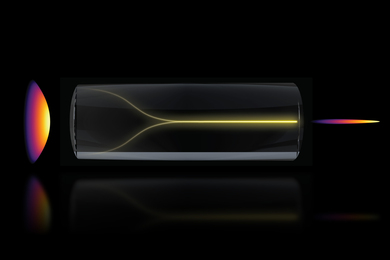
MIT researchers leveraged a surprise discovery to devise a faster and more precise biomedical imaging technique.
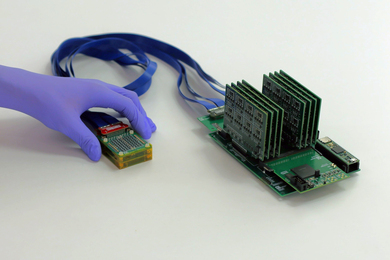
The new system could be used at home or in doctors’ offices to scan people who are at high risk for breast cancer.
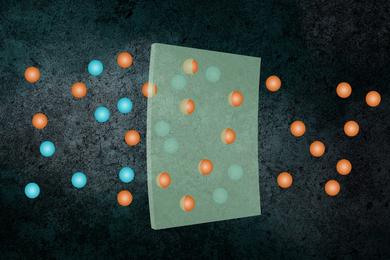
The gas-filtering membranes developed by MIT spinout Osmoses offer an alternative to energy-hungry thermal separation for chemicals and fuels.
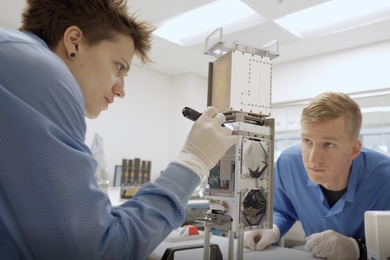
Mini microwave sounders developed at Lincoln Laboratory, demonstrated on a NASA mission, and now transferred to industry, are expanding storm-forecasting capabilities.