How old memories fade away
Discovery of a gene essential for memory extinction could lead to new PTSD treatments.
Discovery of a gene essential for memory extinction could lead to new PTSD treatments.
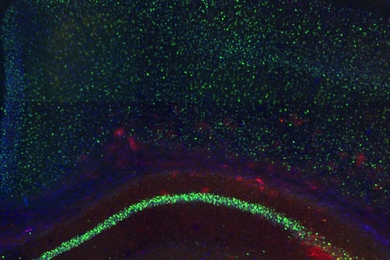
MIT study also pinpoints where the brain stores memory traces, both false and authentic.
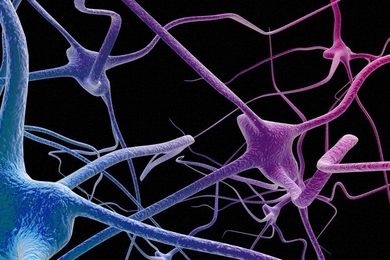
Neurons that can multitask greatly enhance the brain’s computational power, study finds.

MIT neuroscientist Suzanne Corkin shares her memories of the world’s most famous amnesia patient.
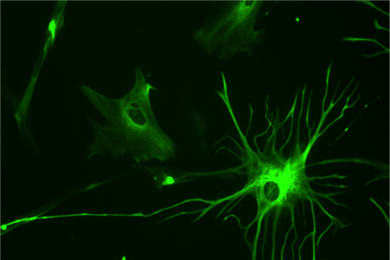
New study finds long-overlooked cells help the brain respond to visual stimuli.
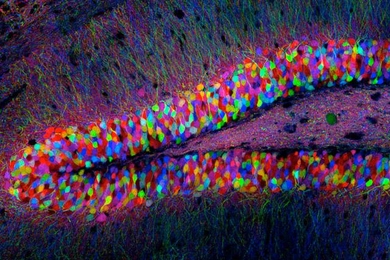
Simply activating a tiny number of neurons can conjure an entire memory.
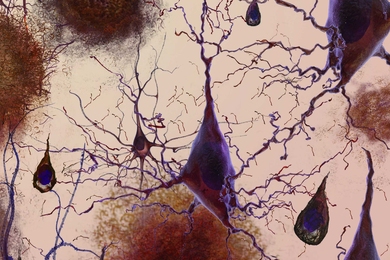
Neuroscientists show that HDAC2 enzyme could be a good target for new drugs.

Sept. 11, 2001, is a day that lives in infamy. But how accurately do we remember it?

New findings may explain why children with autism tend to fixate on details instead of seeing the big picture.
MIT neuroscientists redefine the limits of visual working memory.

Hint: We tend to remember pictures of people much better than wide open spaces.

For the first time, neuroscientists find brain cells that keep track of time with extreme precision.
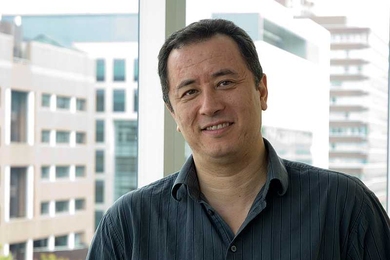
By listening in on rat brains, the Picower Institute neuroscientist tries to understand the role of sleep in learning and memory