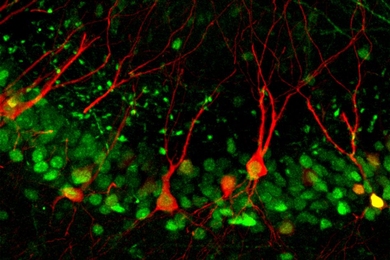
Study reveals molecular mechanisms of memory formation
Neuroscientists discover a cellular pathway that encodes memories by strengthening specific synapses.
Neuroscientists discover a cellular pathway that encodes memories by strengthening specific synapses.
Brain rhythms act as a gate for information entering and leaving the mind.
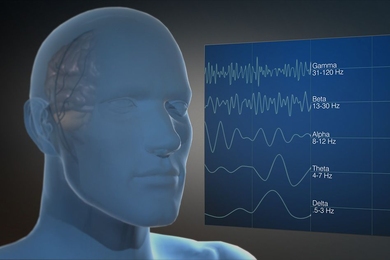
MIT neuroscientists suggest a model for how we gain volitional control of what we hold in our minds.
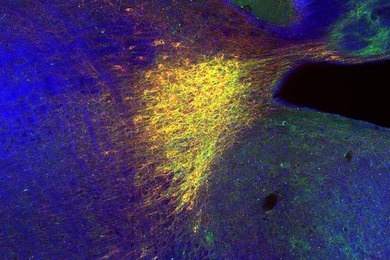
Neuroscientists identify a circuit that helps the brain record memories of new locations.

Studies by Richard Wurtman have led to development of nutrient mix shown to slow cognitive impairment in early stages of the disease.
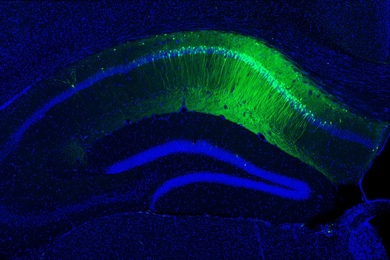
Existence of “silent engrams” suggests that existing models of memory formation should be revised.
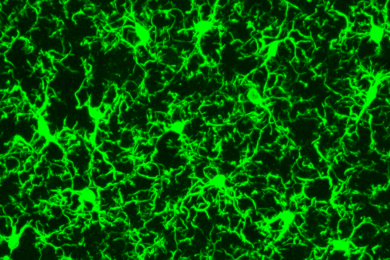
Neuroscientists identify genetic changes in microglia in a mouse model of neurodegeneration and Alzheimer's disease.
For the first time, researchers have identified neural signatures of explicit and implicit learning.
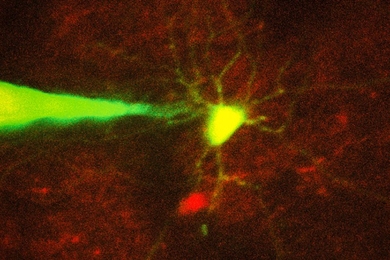
Success rate is comparable to that of highly trained scientists performing the process manually.
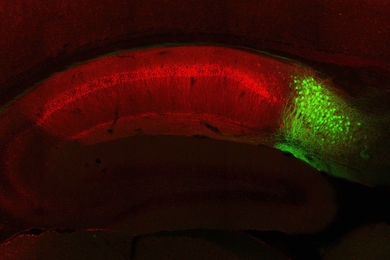
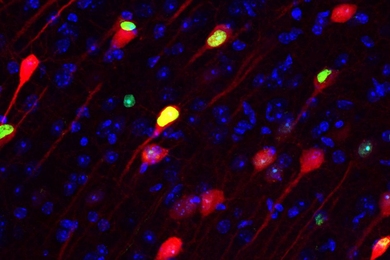
New findings challenge standard model of memory consolidation.
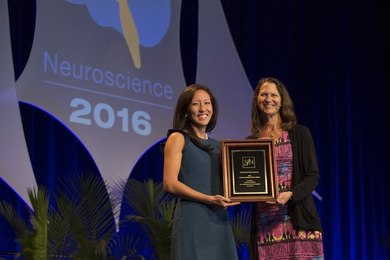
Picower Neuroscientist recognized for her work on emotional circuitry of the brain.
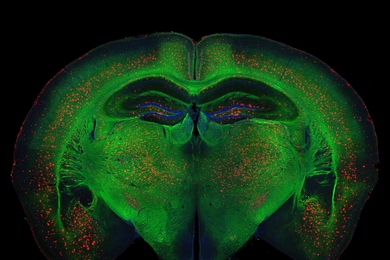
Study finds a complex series of molecular, cellular, circuit and network-level changes contribute to the progression of Alzheimer's.
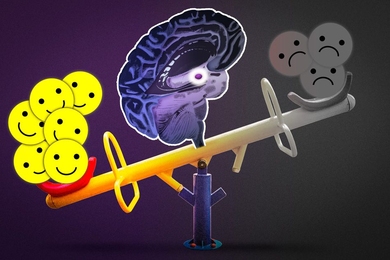
Neuroscientists identify two neuron populations that encode happy or fearful memories.
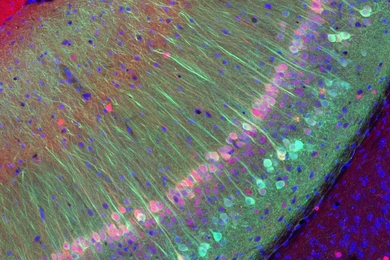
Cells in the hippocampus store memories of acquaintances, a new study reports.