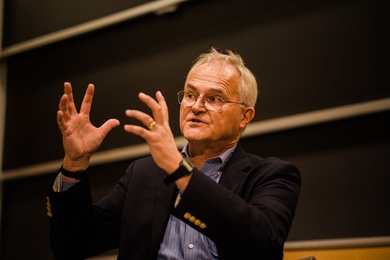
Festival of Learning 2023 underscores importance of well-designed learning environments
Keynote speaker Bror Saxberg SM ’85, PhD ’89 encourages understanding learners and their contexts.
Keynote speaker Bror Saxberg SM ’85, PhD ’89 encourages understanding learners and their contexts.

“Single-cell profiling” is helping neuroscientists see how disease affects major brain cell types and identify common, potentially targetable pathways.

Comparing models of working memory with real-world data, MIT researchers find information resides not in persistent neural activity, but in the pattern of its connections.
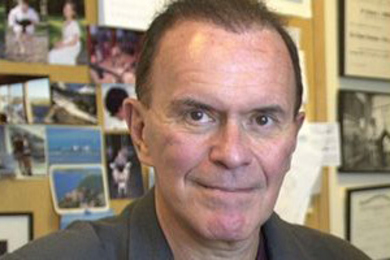
Longtime MIT professor of neuroscience led research behind 200 patents, laying the groundwork for numerous medical products.

Built on recent advances in machine learning, the model predicts how well individuals will produce and comprehend sentences.
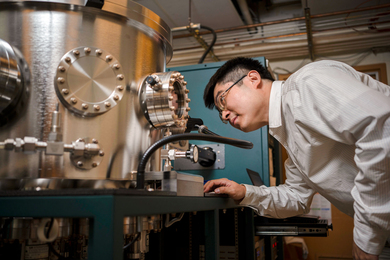
Luqiao Liu utilizes a quantum property known as electron spin to build low-power, high-performance computer memories and programmable computer chips.
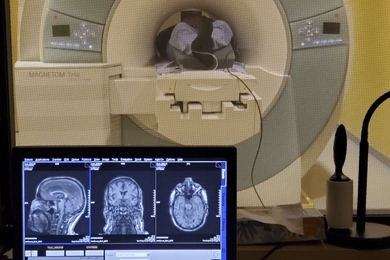
MIT researchers report early-stage clinical study results of tests with noninvasive 40-hertz light and sound treatment.
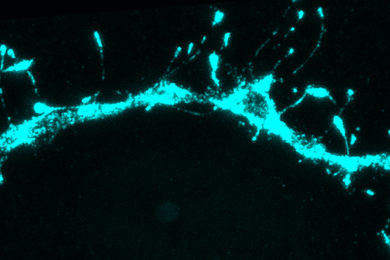
These immature connections may explain how the adult brain is able to form new memories and absorb new information.
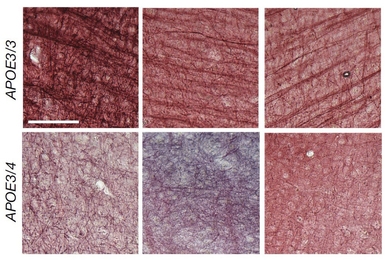
In people carrying APOE4, a key brain cell mismanages cholesterol needed to insulate neurons properly — another sign APOE4 contributes to disease by disrupting brain lipids.

Society for Neuroscience honors BCS professor for breakthrough research modeling a component of the brain’s navigational system.
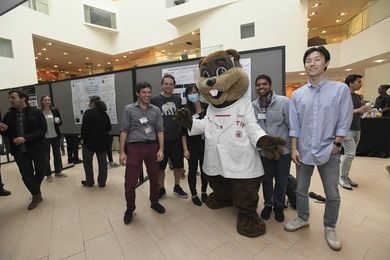
At an exhibition marking two decades since a transformative gift from the Picower Foundation, current and alumni members described research at the forefront of neuroscience and beyond.
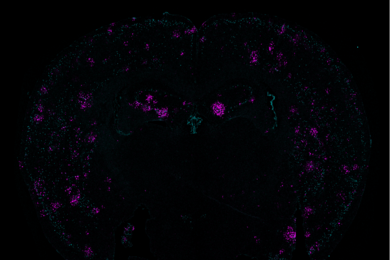
Study indicates ailing neurons may instigate an inflammatory response from the brain’s microglia immune cells.
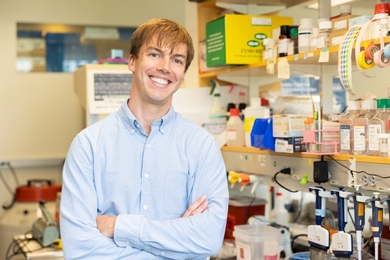
“We can’t think of the brain only as neurons,” says PhD student Mitch Murdock, who explores the cellular basis of Alzheimer’s disease.

When holding information in mind, neural activity is more focused when and where there are bursts of gamma frequency rhythms.
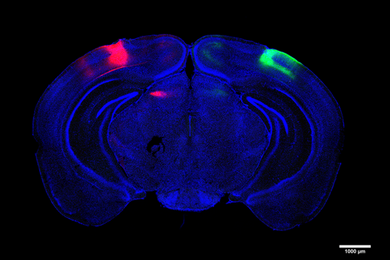
Research reveals cells that span brain hemispheres to coordinate activity in visual processing centers, shows Alzheimer’s degrades their structure and function.