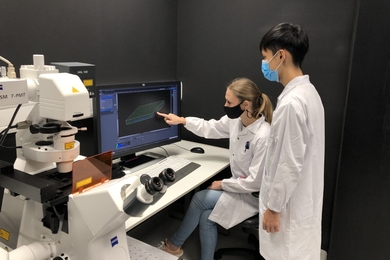
A new tool to investigate bacteria behind hospital infections
Scalable CRISPRi system from SMART allows scientists to identify and tackle causes of E. faecalis-related diseases and drug resistance.
Scalable CRISPRi system from SMART allows scientists to identify and tackle causes of E. faecalis-related diseases and drug resistance.
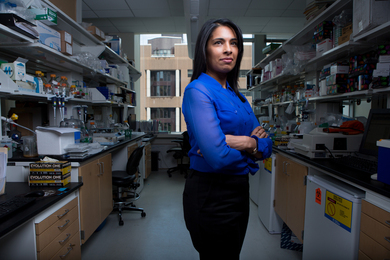
Biological sensors developed by MIT spinout Glympse Bio could help clinicians make decisions for individual patients.

The patch, which can be folded around surgical tools, may someday be used in robotic surgery to repair tissues and organs.
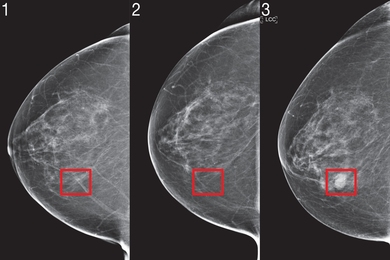
Researchers created a risk-assessment algorithm that shows consistent performance across datasets from US, Europe, and Asia.
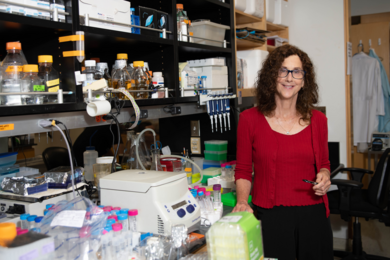
Structural biologist Pamela Björkman shared insights into pandemic viruses as part of the Department of Biology’s IAP seminar series.
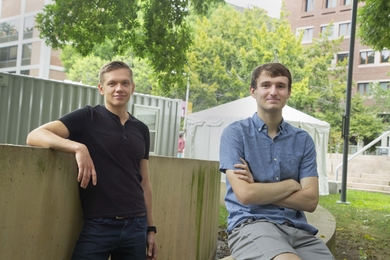
Mechanical engineering students Ivan Goryachev and Ryan Koeppen ’19 are developing a thermal trailer and subsequent kiosks that could be deployed on campus during the Covid-19 pandemic.

A diverse group of researchers is working to turn new discoveries about the trillions of microbes in the body into treatments for a range of diseases.
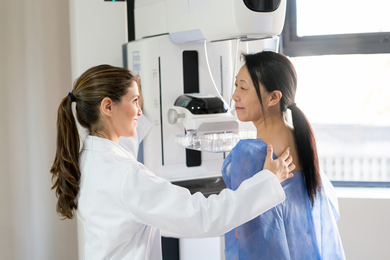
Study: Healthier women are more likely to follow age-based guidelines, leaving room for better-targeted testing.

Family’s health trauma translates into mission to solve a chronic health problem suffered by more than a million Americans.
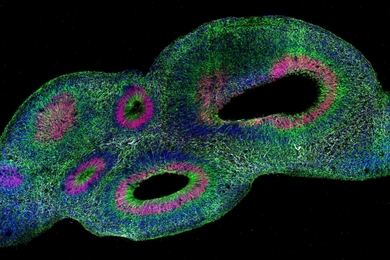
Unbiased, high-throughput analysis pipeline improves utility of “minibrains” for understanding development and diseases such as Zika infection.
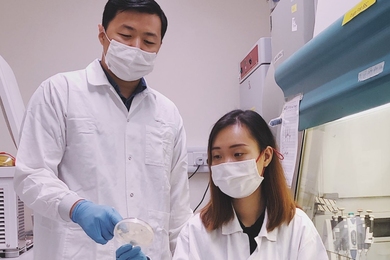
The discovery can help to cure bacterial infections without inducing resistance or causing harm to good bacteria.
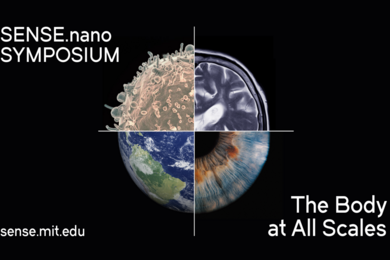
Applications and challenges of sensing technology have been accelerated by Covid-19.
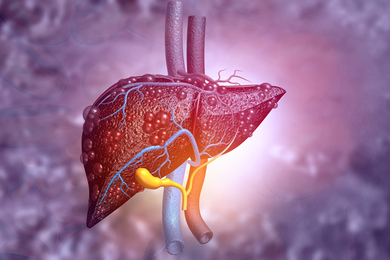
Diagnosing liver damage earlier could help to prevent liver failure in many patients.

The MIT senior will pursue postgraduate studies in global health in Ireland.
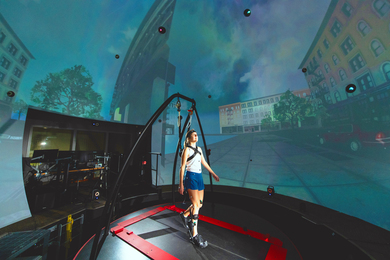
Will focus on responding to disasters and humanitarian crises, defending against biothreats, addressing climate change, and improving human health and performance.