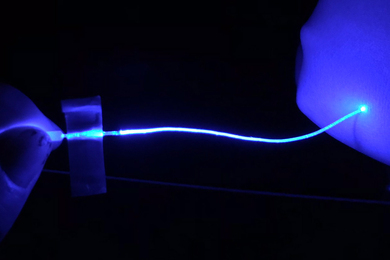
Soft optical fibers block pain while moving and stretching with the body
The fibers could help with testing treatments for nerve-related pain.
The fibers could help with testing treatments for nerve-related pain.
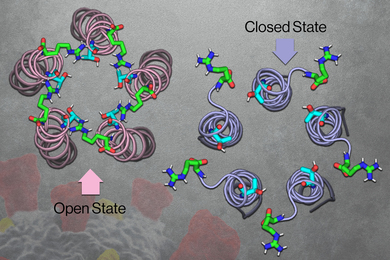
Chemists discover the structures of open and closed states of the channel, which could help the development of antiviral drugs to reduce inflammation.
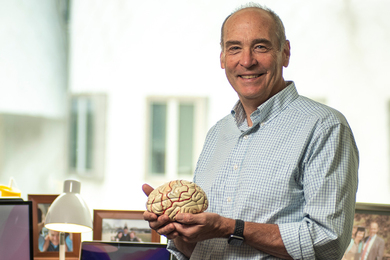
Professor Mark Bear's research on brain plasticity spins off a promising candidate to treat amblyopia, or lazy eye.

Five MIT faculty, along with seven additional affiliates, are honored for outstanding contributions to medical research.

Professor and two additional MIT affiliates honored for influential work on optical coherence tomography, which allows rapid detection of retinal disease, among other applications.

Researchers can use the model to predict how engineered forms of insulin would perform in human patients, making it easier to bring these drugs to clinical trials.
Help for immigrants in arranging primary care visits leads to substantial drop in ER visits and costs, a new study shows.
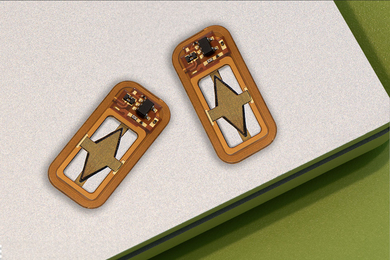
The device contains encapsulated cells that produce insulin, plus a tiny oxygen-producing factory that keeps the cells healthy.
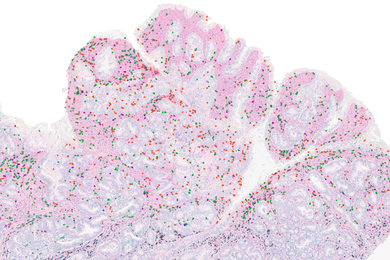
The findings could help doctors identify cancer patients who would benefit the most from drugs called checkpoint blockade inhibitors.

Although computer scientists may initially treat data bias and error as a nuisance, researchers argue it’s a hidden treasure trove for reflecting societal values.
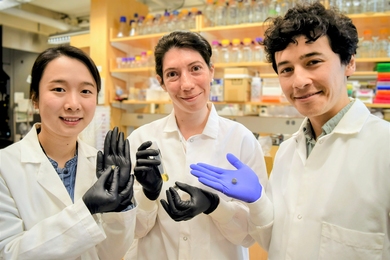
Coupling engineered bacteria with low-power electronics could be highly effective in diagnosis, treatment of bowel diseases.

The new approach could lead to intranasal vaccines for Covid-19 and other respiratory diseases.
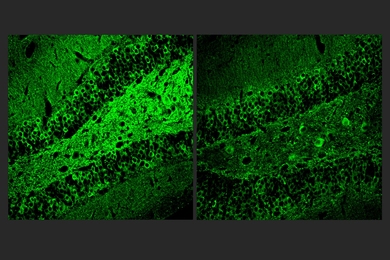
A potential new Alzheimer’s drug represses the harmful inflammatory response of the brain’s immune cells, reducing disease pathology, preserving neurons, and improving cognition in preclinical tests.

Howard Hughes Medical Institute Gilliam Fellows are selected for their promise as future leaders in their scientific fields and for their commitment to advancing equity and inclusion.
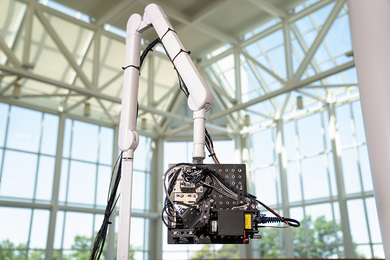
Noncontact Laser Ultrasound offers capabilities comparable to those of MRI and CT but at vastly lower cost, in an automated and portable platform.