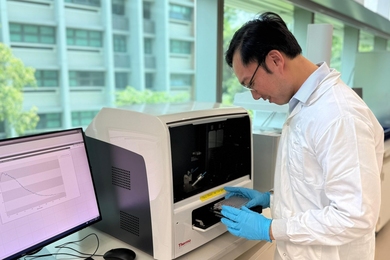
Fluorescent nanosensor enables rapid, first-of-its-kind detection of key gut health biomarker
Researchers developed an optical nanosensor to rapidly detect a key gut biomarker, enabling faster, accessible screening.
Researchers developed an optical nanosensor to rapidly detect a key gut biomarker, enabling faster, accessible screening.
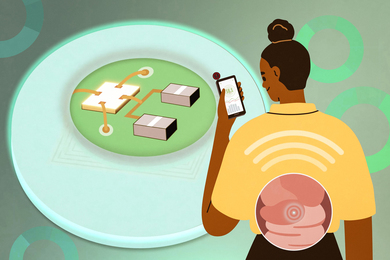
After being swallowed, the devices could offer continuous monitoring of patients who are sick or at risk of hypothermia.
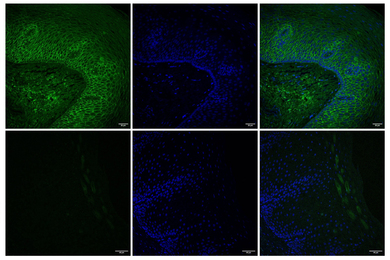
Their new gel-like drug formulation can coat the esophageal lining and release drugs that could help treat inflammatory conditions affecting the esophagus.
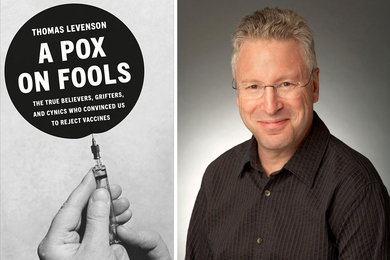
Thomas Levenson’s new book shows how arguments against vaccination reach back to the beginning of the technology itself.
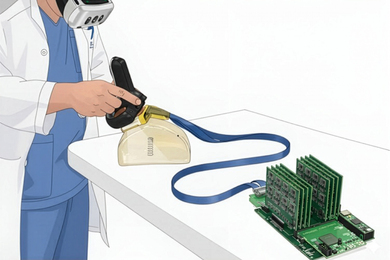
MIT researchers have designed an ultrasound system that creates a real-time 3D representation of the object being imaged.
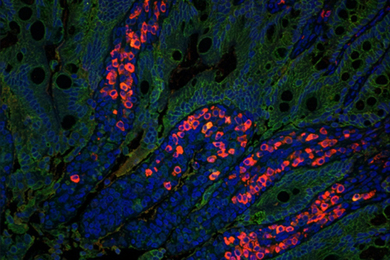
The adjuvant can help the injectable polio vaccine induce a strong immune response in the GI tract, which is considered critical to eradicating the virus.
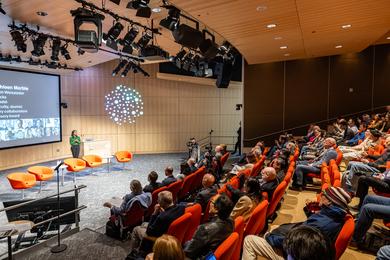
The MIT Marble Center for Cancer Nanomedicine looks back at 10 years of turning big ideas about nanotechnology into transformative advances for cancer patients.
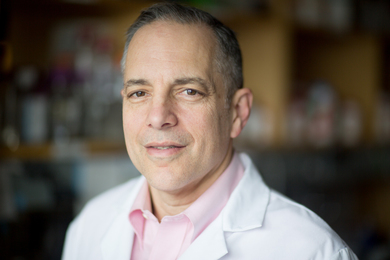
The professor of medical engineering and science is honored for medical research that has led to better treatments for cardiovascular disease.
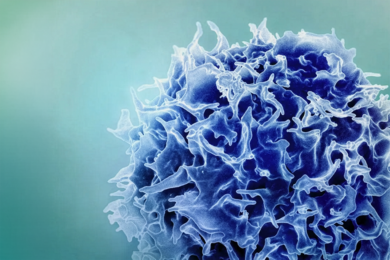
Using immune-remodeling mRNA molecules, researchers generated T cells that can slow tumor growth and, in some cases, eradicate tumors.
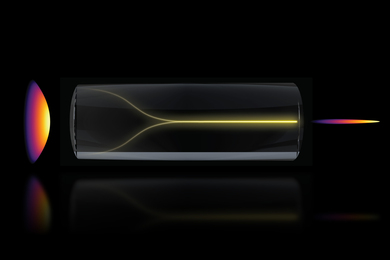
MIT researchers leveraged a surprise discovery to devise a faster and more precise biomedical imaging technique.
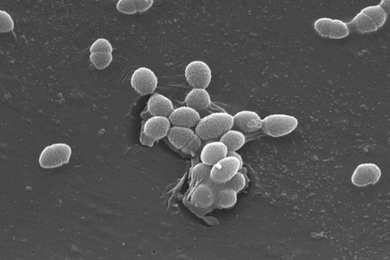
Study finds a common bacterium can suppress the body’s early warning system in wounds, causing infections to persist and create an environment that allows other bacteria to take hold.
A new biohybrid system developed at MIT is the first living implant that uses rewired nerves to revive paralyzed organs.
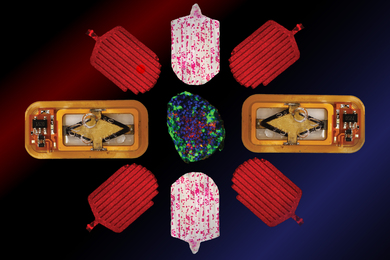
The cells can survive in the body for at least three months, producing enough insulin to control blood sugar levels, research shows.
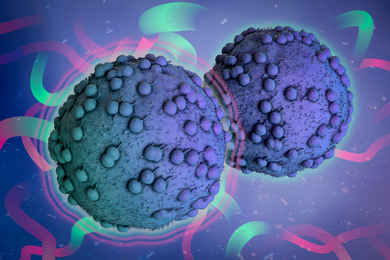
A backup survival pathway can help tumor cells resist certain lung cancer and other drugs. Combining therapies may offer a solution.
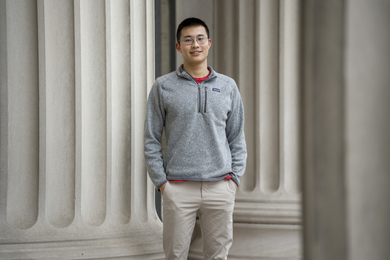
As an aspiring physician-scientist and editor-in-chief of The Tech, MIT senior Alex Tang has found inspiration in the lives of patients and others in his community.