Mastering the biological and engineering worlds
Rahul Sarpeshkar bridges biology and engineering to advance research and applications in biotechnology, medicine, and supercomputing.
Rahul Sarpeshkar bridges biology and engineering to advance research and applications in biotechnology, medicine, and supercomputing.
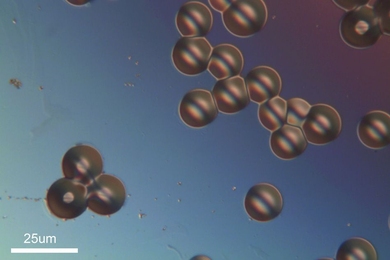
MRI sensor that enables long-term monitoring of oxygen levels could aid cancer diagnosis and treatment.
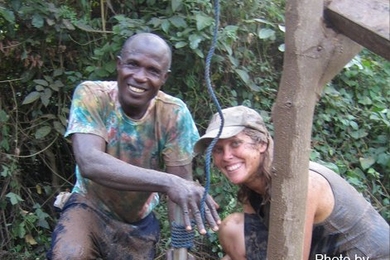
Amy Smith and students at MIT’s D-Lab create products for, and with, communities in the developing world.
New system could provide detailed images — even of soft tissue — from a lightweight, portable device.
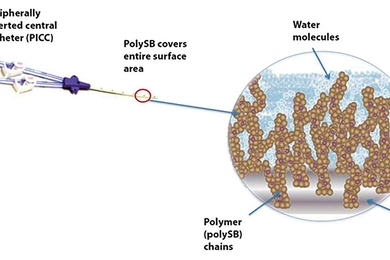
Startup Semprus Biosciences develops a permanent solution for keeping bacteria off implanted medical devices.
MIT’s Institute for Medical Engineering and Science brings many tools to the quest for new disease treatments and diagnostic devices.
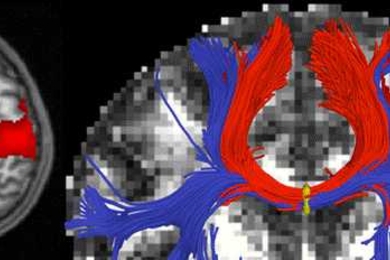
Computer scientists and electrical engineers are devising algorithms that look for useful new patterns in data produced by medical sensors.
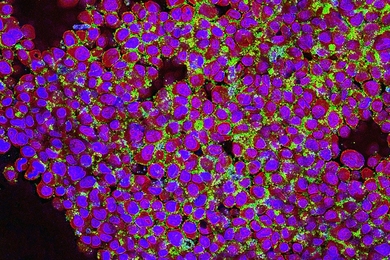
New approaches to drug delivery offer hope for new, more targeted treatments.

$30,000 Lemelson-MIT collegiate student prizes awarded to inventive students at three leading universities
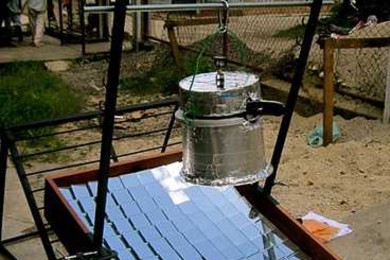
Solar concentrating system could replace fuel-powered or electric devices in remote villages.
Precision machine design class links doctors with students to find ways of meeting pressing medical needs for new technology.
Understanding the mechanisms behind quill penetration and extraction could help engineers design better medical devices.
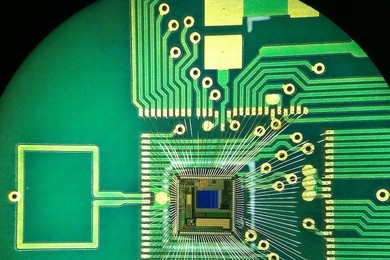
For the first time, researchers power an implantable electronic device using an electrical potential — a natural battery — deep in the inner ear.
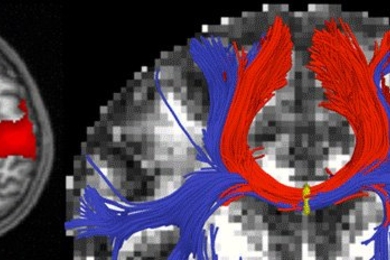
New algorithm can analyze information from medical images to identify diseased areas of the brain and connections with other regions.
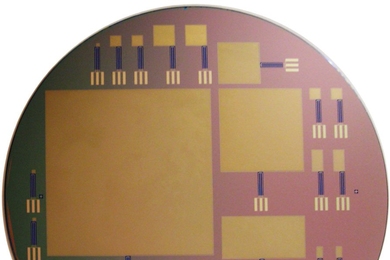
Implantable fuel cell built at MIT could power neural prosthetics that help patients regain control of limbs.