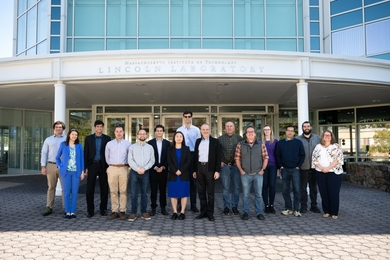
Three Lincoln Laboratory technologies receive 2026 R&D 100 Awards
A secure operating system, a quantum microsystem platform, and a 5G interference-canceling algorithm are named among the year's most significant innovations.
A secure operating system, a quantum microsystem platform, and a 5G interference-canceling algorithm are named among the year's most significant innovations.
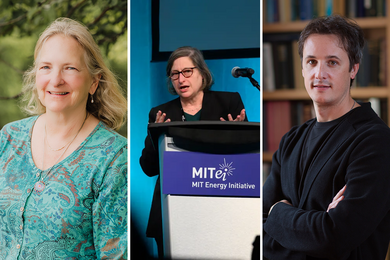
Anthea Coster, Carolyn Ruppel, César Terrer, and eight additional alumni are honored for their work in the geosciences.
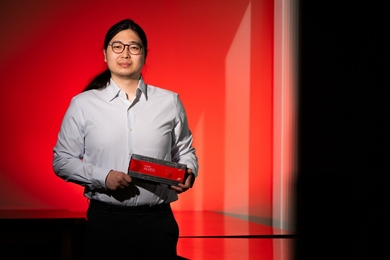
The Lincoln Laboratory scholar developed a hardware platform inspired by proprietary infrastructure, allowing researchers to design and evaluate their cloud technology in a realistic environment.
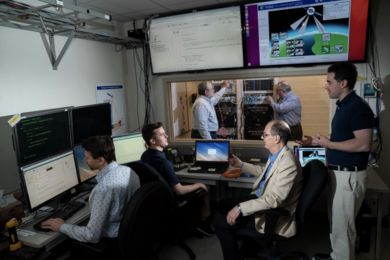
Lincoln Laboratory’s new key-management architecture solves the dilemma of how to refresh cryptographic keys securely, quickly, and widely for U.S. forces.
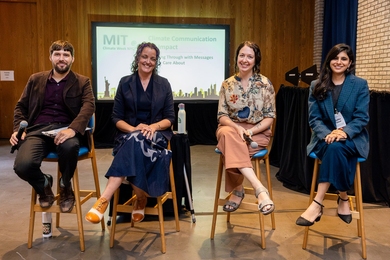
A cross-section of the MIT community convened discussions on topics ranging from data centers and super pollutants to agriculture and education.
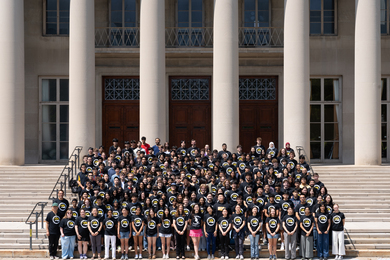
Jointly run by Lincoln Laboratory and the School of Engineering, the program has guided thousands of high school students to technical paths over the past 10 years.
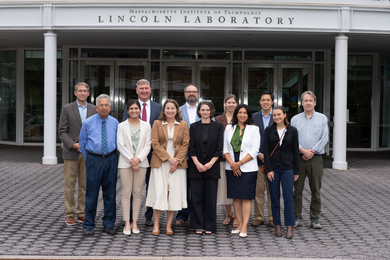
Roadshow event highlights Massachusetts' defense-biotechnology ecosystem.

Over two decades at MIT, Hamilton forged new paths in computer science and engineering. Her groundbreaking work included leading the team that programmed the first computers that took humans to the moon.
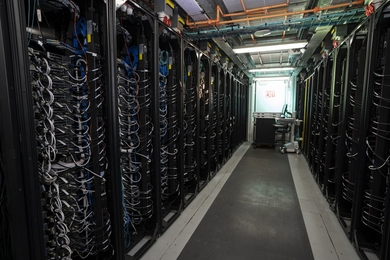
An ongoing survey tracks the latest AI accelerator systems to keep hardware relevant for Lincoln Laboratory staff and sponsors.

The aircraft mechanic is the lead crew chief of Lincoln Laboratory’s Gulfstream IV and recently oversaw the plane’s major modification.
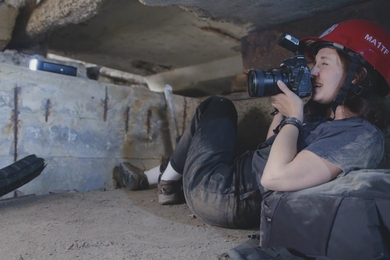
Staff photographer Niki Fandel captures the people and technology advancing Lincoln Laboratory’s national security mission.

New Audit Division leader brings track record of collaboration, deep knowledge of audit program and MIT operations to role.
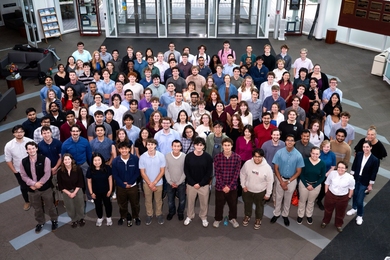
Anna Raymaker and Vivek Jagadeesh tackled cybersecurity threats to ships and inside operating systems, respectively.
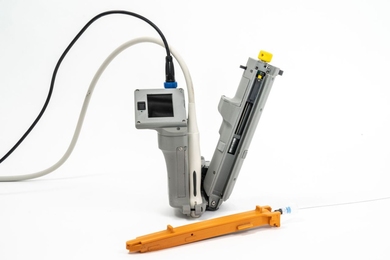
The handheld catheterization device AI-GUIDE, created by Lincoln Laboratory and Massachusetts General Hospital, promises improved health outcomes for injured service members and civilians.

The work is part of a multiyear effort to develop a distributed sensor network for relaying data collected from this critical region.