MIT Solve selects 2019 cohort of tech entrepreneurs
At Solve Challenge Finals in New York, judges selected 32 innovators, and Solve announces $1.5 million in prize funding.
At Solve Challenge Finals in New York, judges selected 32 innovators, and Solve announces $1.5 million in prize funding.

Focusing awareness on the present moment can enhance academic performance and lower stress levels.
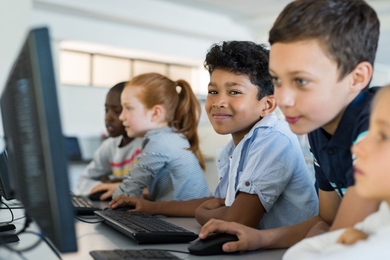
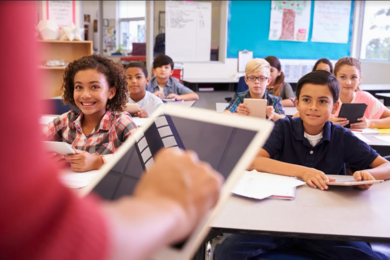
Education, Technology, and Opportunity Innovation Competition aims to improve student learning.
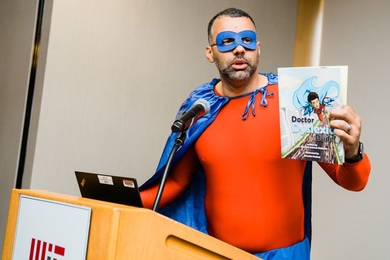
MIT’s first-ever Science of Reading event brings together researchers and educators to discuss how to use research to improve literacy outcomes.
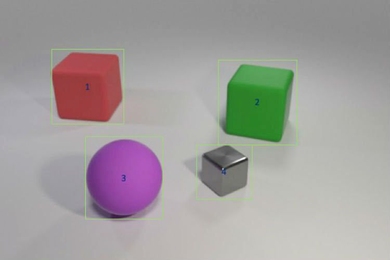
Researchers combine statistical and symbolic artificial intelligence techniques to speed learning and improve transparency.

Noninvasive treatment improves memory and reduces amyloid plaques in mice.

Six brain regions participate in a more blended way than has been appreciated.
![An example of a therapy session augmented with humanoid robot NAO [SoftBank Robotics], which was used in the EngageMe study. Tracking of limbs/faces was performed using the CMU Perceptual Lab's OpenPose utility.](/sites/default/files/styles/term_page__news_article/public/images/201806/MIT-Autism-Robots.png?itok=WUVBwk3H)
Machine learning network offers personalized estimates of children’s behavior.

Study reveals how, when a synapse strengthens, its neighbors weaken.
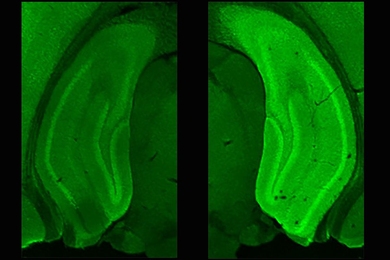
MIT researchers find that encountering novel contexts cues the brain to churn out neurogranin.
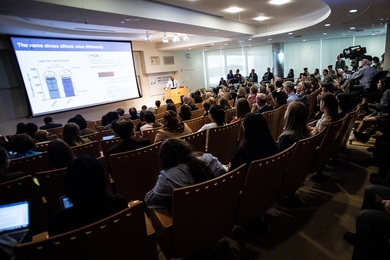
Taking time to understand underlying causes of stress can help children escape debilitating health effects, symposium speakers argue.
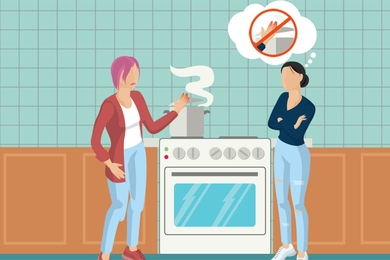
Scientists pinpoint neural interactions that are necessary for observational learning.
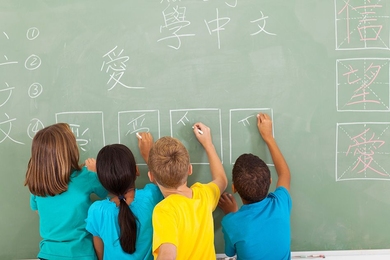
Study shows children remain adept learners until the age of 17 or 18.
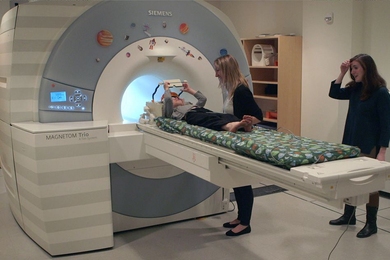
Children as young as 3 have brain network devoted to interpreting thoughts of other people.