
High-speed microscopy reveals electrical activity across the brain
The new technique could help scientists learn how the entire brain works to generate decisions and emotions.
The new technique could help scientists learn how the entire brain works to generate decisions and emotions.

The Materials Research Science and Engineering Center unites researchers across disciplines to develop technologies for medical imaging, sustainable metals production, and next-generation electronics.

The “Sonar-MASt3R” combines sonar and visual data to create real-time 3D maps, even in cloudy water.
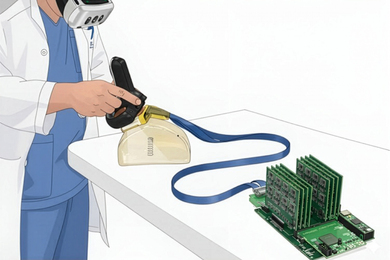
MIT researchers have designed an ultrasound system that creates a real-time 3D representation of the object being imaged.
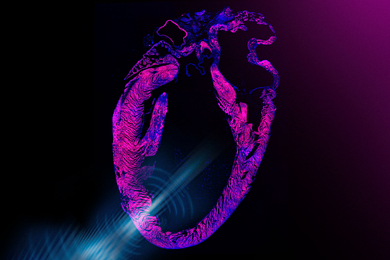
The new design could offer a surgery-free alternative to traditional cardiac implants.

New MRI sensors developed at MIT sensitively detect target molecules in the brain and body.
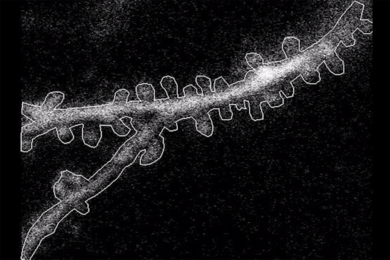
Brain cells take in many signals through thousands of circuit connections. A new study discerns the rules that turn inputs into a functional arrangement for neurons that process vision.
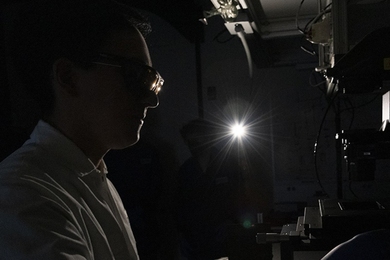
Researchers can now use custom-built microscopy and nanotechnology to tag and follow the activity of individual proteins in real-time.
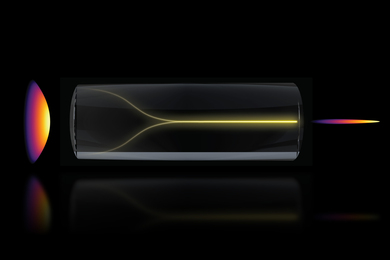
MIT researchers leveraged a surprise discovery to devise a faster and more precise biomedical imaging technique.
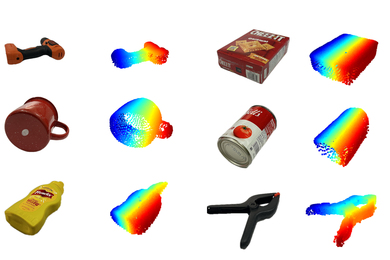
With this new technique, a robot could more accurately detect hidden objects or understand an indoor scene using reflected Wi-Fi signals.
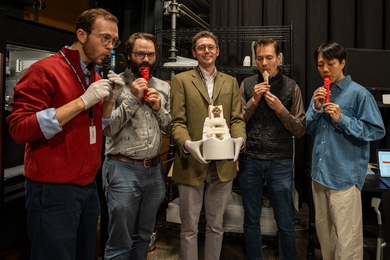
Through an interdisciplinary collaboration between MIT and the Museum of Fine Arts, Boston, researchers are creating playable physical and synthesized replicas.
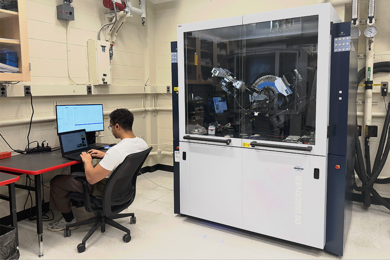
The X-ray diffraction and imaging facility at MIT.nano adds a new tool to support research in a wide variety of disciplines.
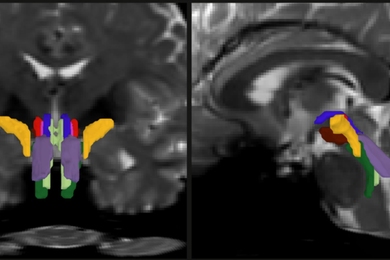
Opening a new window on the brainstem, a new tool reliably and finely resolves distinct nerve bundles in live diffusion MRI scans, revealing signs of injury or disease.

For the first time, the new scope allowed physicists to observe terahertz “jiggles” in a superconducting fluid.
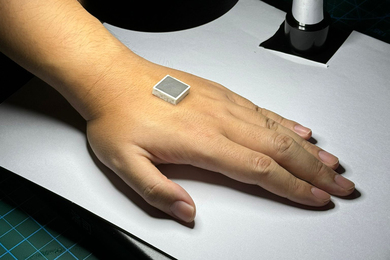
WITEC is working to develop the first wearable ultrasound imaging system to monitor chronic conditions in real-time, with the goal of enabling earlier detection and timely intervention.