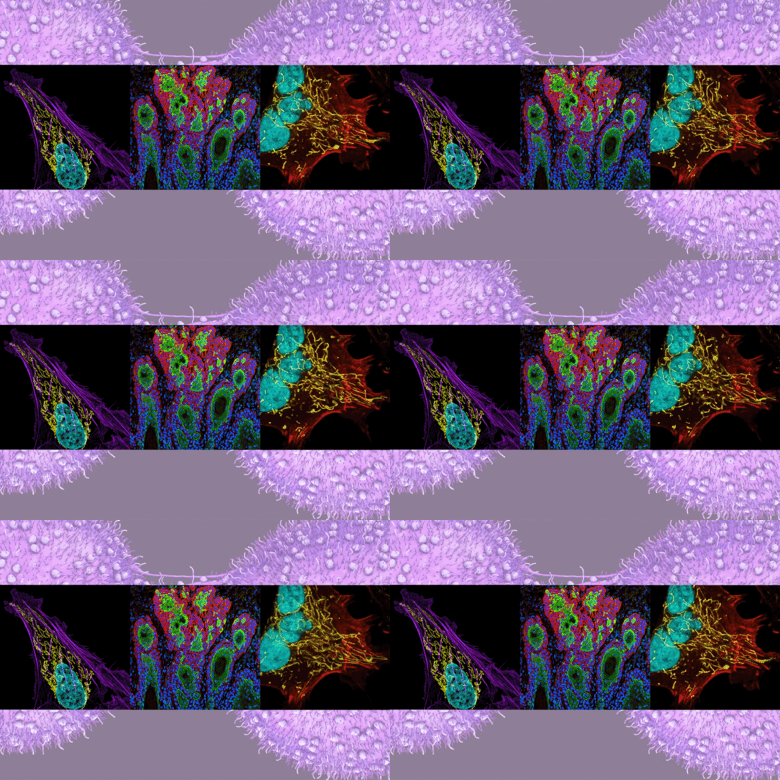
Scientists unveil more than 600 new tissue models of human cancer
Derived from patient tumor samples and available to researchers around the world, the cells will aid the development of new cancer treatments.
Derived from patient tumor samples and available to researchers around the world, the cells will aid the development of new cancer treatments.
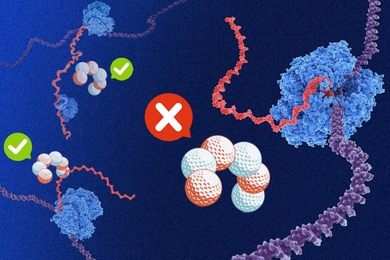
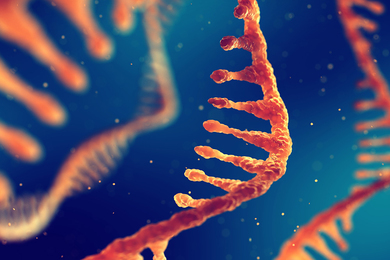
In certain species of bacteria, the answer lies in shielding RNA transcripts from a quality-control factor called Rho. Understanding the requirements for expressible sequences is critical for expression engineering of therapeutic agents.
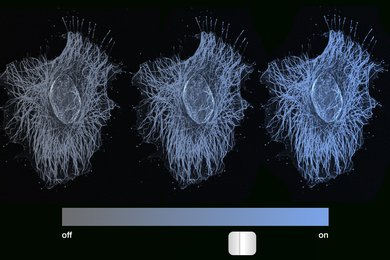
The findings may redefine how cell identity is established and enable the creation of more sophisticated engineered tissues.
Study of 3.5 million cells from more than 100 human brains finds Alzheimer’s progression — and resilience to disease — depends on preserving epigenomic stability.

Professor Caroline Uhler discusses her work at the Schmidt Center, thorny problems in math, and the ongoing quest to understand some of the most complex interactions in biology.
“Single-cell profiling” is helping neuroscientists see how disease affects major brain cell types and identify common, potentially targetable pathways.
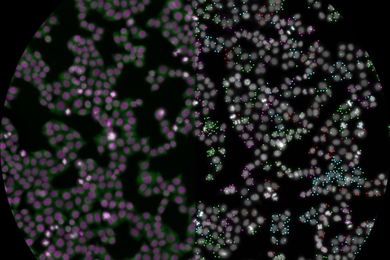
Researchers harness new pooled, image-based screening method to probe the functions of over 5,000 essential genes in human cells.
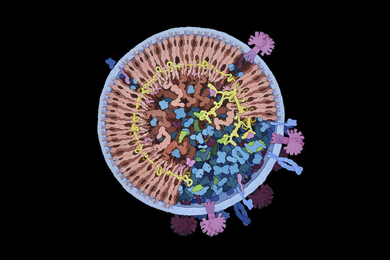
Udayan Umapathi SM ’17 and Will Langford SM ’14, PhD ’19 are co-founders of a Media Lab spinoff building a full-stack platform to enable automation for genomics and genetic engineering.
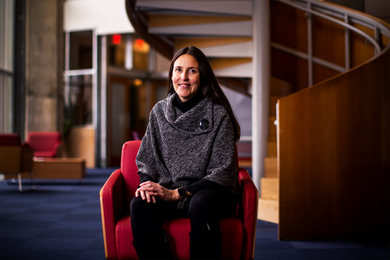
Caroline Uhler blends machine learning, statistics, and biology to understand how our bodies respond to illness.
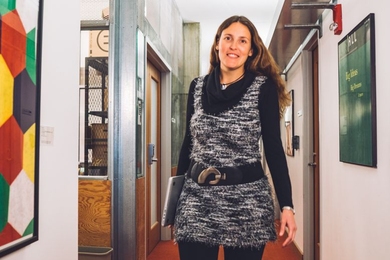
Electrical engineering and computer science assistant professor is working at the intersection of genomics and computational biology.
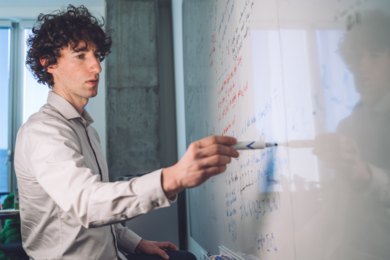
Assistant professor of electrical engineering and computer science discusses his work focusing on learning graphical models from data.

New CSAIL genomics work suggests vocalizing birds could tell us more about speech disorders.
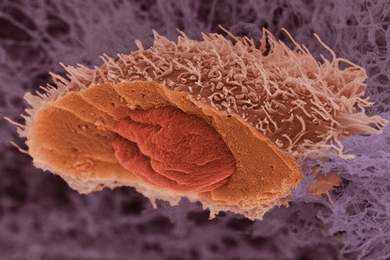
Surprising result suggests that enhancing these mutations’ impact could offer a new way to treat cancer.