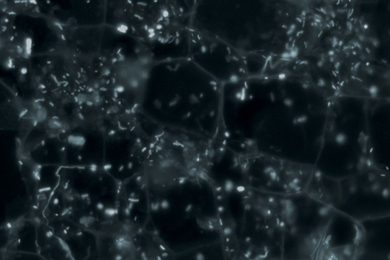
Using recent gene flow to define microbe populations
New method identifies ecologically and medically relevant bacteria groups.
New method identifies ecologically and medically relevant bacteria groups.
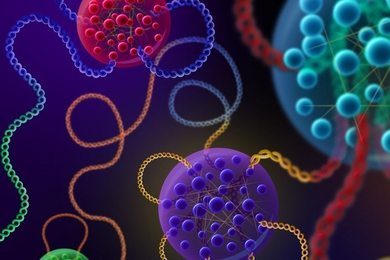
Along the genome, proteins form liquid-like droplets that appear to boost the expression of particular genes.

A professor and mentor for more than 20 years at MIT, Bowring redefined our understanding of some of the most significant events in Earth history.
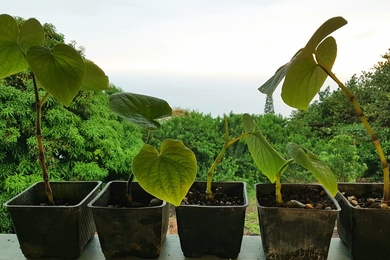
Researchers solve how the kava plant produces its pain-relieving and anti-anxiety molecules, demonstrate an extensible method to scale and optimize production.

Differences in male and female gene expression, including those contributing to height differences, found throughout the body in humans and other mammals.
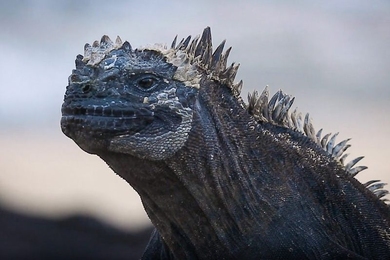
Professor Otto Cordero and colleagues ask: Can microbiome engineering make the Galapagos marine iguana more resilient to climate change?
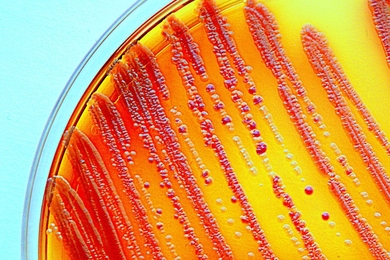
Study finds that competition between bacterial species can be upended when conditions deteriorate.

Study finds shallow bodies of water were probably more suitable for Earth’s first life forms.
Researchers are developing a so-called "daisy-chain" gene-drive system that provides controls for genetic engineering of certain populations.
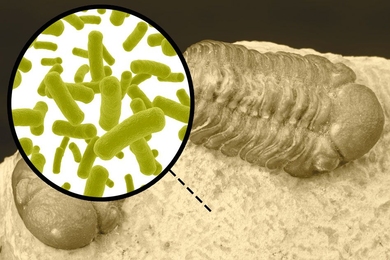
Results show bacterial genomes provide “shadow history” of animal evolution.
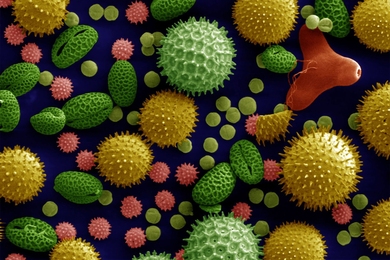
Whitehead Institute and MIT researchers uncover the detailed molecular structure of the sporopollenin polymer, an inert material key for the emergence of land plants.

New research finds a unique component of cell membranes in an archaea species conveys protection against acidic surroundings.
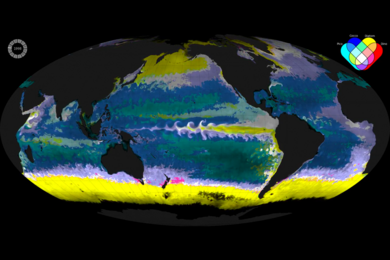
Simons Foundation-backed CBIOMES brings together researchers in oceanography, statistics, data science, ecology, biogeochemistry, and remote sensing.

MIT professor sees many “big, deep questions in biology” that benefit from study by both physicists and life scientists.
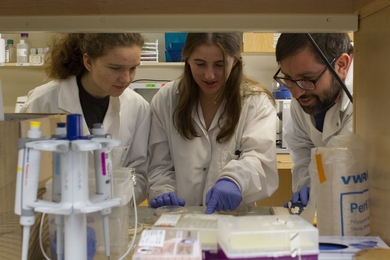
Network tracks the evolution of microbial communities in sourdough starter mixtures shared around the world.