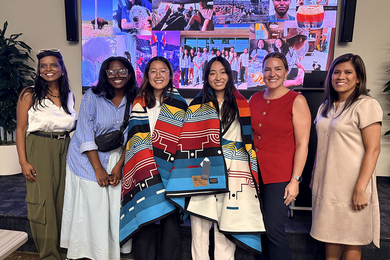
MIT students gain a humanist lens on technical innovation in Tulsa, Oklahoma
The PKG Center for Social Impact expands Code.Tulsa experiential learning program.
The PKG Center for Social Impact expands Code.Tulsa experiential learning program.
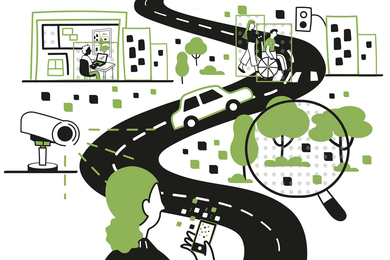
In their new book, “How AI Sees the City,” the leaders of MIT’s Senseable City Lab examine the technology’s implications for researching urban life.

A new method for surgically removing training examples from a model reveals that as datasets grow, the link between what a model learns and what it produces dissolves.
Philosopher Brian Hedden studies decision-making over time — and recently chose to return to alma mater MIT, where he is now connecting ethics and computing.

Assistant Professor Pat Pataranutaporn describes a new interface that lets everyday users glimpse inside an AI's neural network before their chatbot ever says a word.

Researchers developed an auditing technique to test generative AI models for malicious capabilities, without prompting them for illegal outputs.
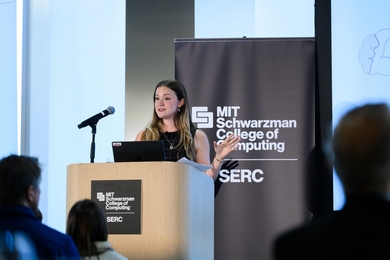
PhD student Rachel Sava, winner of the Envisioning the Future of Computing Prize, explores transformative improvements and dystopian risks of neural technology.
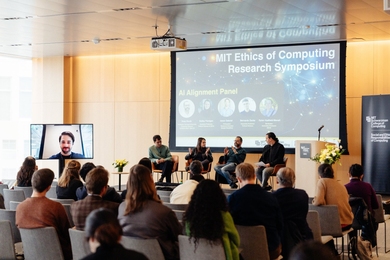
The MIT Ethics of Computing Research Symposium brought together experts and researchers working at the heart of ethical and social impact in technology.
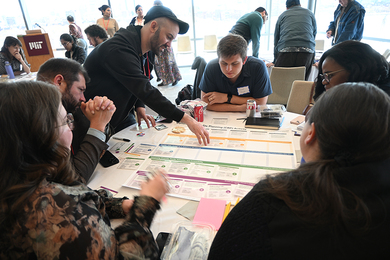
Living Climate Futures Symposium explores climate challenges and solutions at the community level.
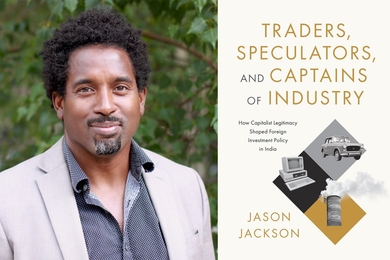
A book by Associate Professor Jason Jackson explores how policymakers moved past post-colonial India to support its own captains of industry.
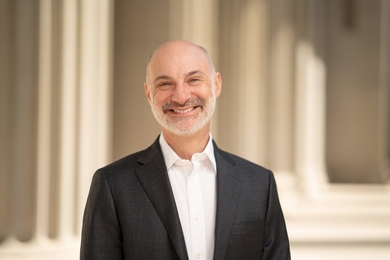
As the School of Humanities, Arts, and Social Sciences marks 75 years, Dean Agustín Rayo reflects on how AI is reshaping higher education and why SHASS disciplines continue to be central to MIT’s mission.
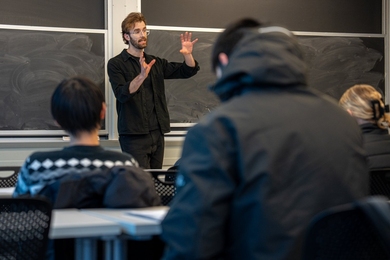
As the NC Ethics of Technology Postdoctoral Fellow, Michal Masny is advancing dialogue, teaching, and research into the social and ethical dimensions of new computing technologies.

MIT researchers developed a testing framework that pinpoints situations where AI decision-support systems are not treating people and communities fairly.

Anthropologist Amy Moran-Thomas studies overlooked insights from people health care is meant to reach.
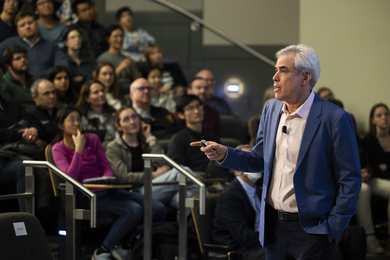
In Compton Lecture at MIT, social psychologist Jonathan Haidt warns of dramatic global decay in cognition, attention spans, and civic life, and urges curbs to tech use.