
Solving history’s ‘largest mass poisoning’
Research points to carbon in man-made ponds as catalyst for arsenic contamination in Bangladeshi wells
Research points to carbon in man-made ponds as catalyst for arsenic contamination in Bangladeshi wells

MIT researchers think America's obesity epidemic can be reversed via ‘foodsheds,’ in which healthier, more affordable food is produced and consumed regionally.
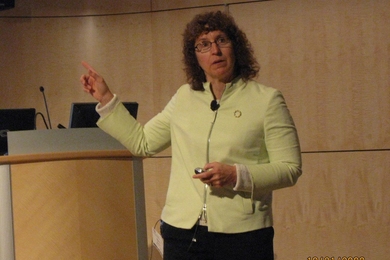
On Oct. 22-23, MIT faculty and industry leaders discussed the need for a systems-based approach to tackle complex challenges such as health care, energy, and the environment at the 2009 MIT conference on systems thinking for contemporary challenges.

Judith Layzer says there’s no easy way out when it comes to climate change — but that geo-engineering might be a last-ditch solution.

MIT’s Joint Program on the Science and Policy of Global Change has pegged the annual cost of the proposed cap-and-trade legislation in Congress at $400 per U.S. household. But estimating the cost of doing nothing is far more difficult.
New workshop on building and sustaining clean energy businesses

New analysis shows that without proper regulation, biofuels programs aimed at curbing greenhouse gases could do just the opposite

Alum's 'state-of-the-shelf' energy-efficient house is among a bevy of new ideas for curbing energy use and greenhouse gas emissions presented at MIT's annual Energy Night.
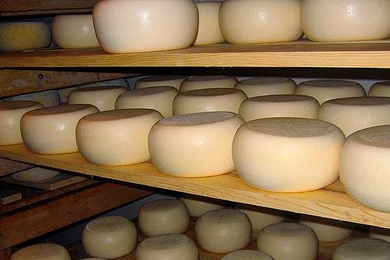
The government regulates how food is produced. MIT anthropologist Heather Paxson studies the rebellious cheese-makers who reluctantly adhere to those rules.
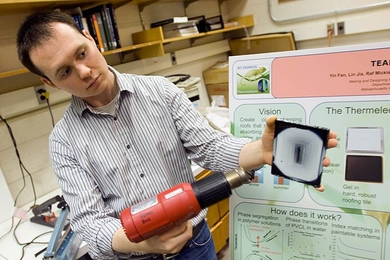
MIT students develop concept for color-changing roof tiles that absorb heat in winter, reflect it in summer.
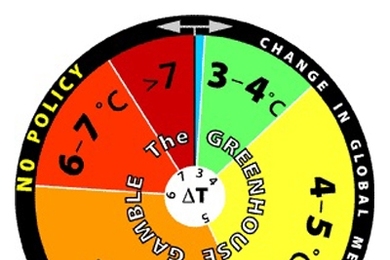
Comprehensive analysis of the odds of climate outcomes under different policy scenarios shows significant benefits from early actions.