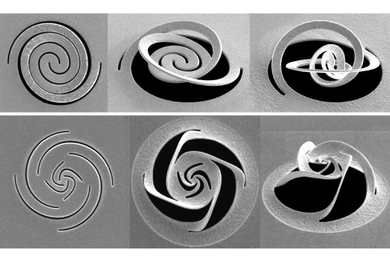
Kirigami-inspired technique manipulates light at the nanoscale
Folding and cutting thin metal films could enable microchip-based 3-D optical devices.
Folding and cutting thin metal films could enable microchip-based 3-D optical devices.
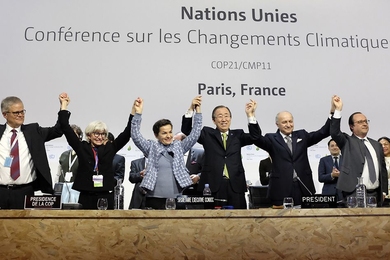
Study highlights economic losses for participating countries.
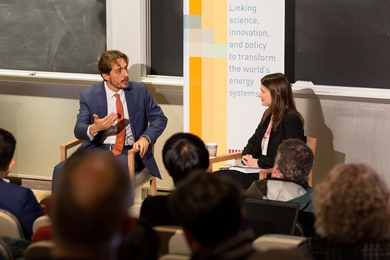
Bruno Verdini, executive director of the MIT-Harvard Mexico Negotiation Program, discusses his award-winning research on negotiating for mutual gains.

Through research on U.S. - Mexico hydrocarbon drilling rights negotiation, Bruno Verdini provides insights on how to resolve conflicts through proactive collaboration.
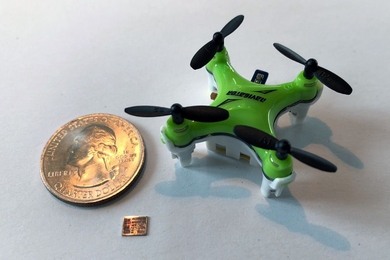
Low-power design will allow devices as small as a honeybee to determine their location while flying.

Study finds reduction in sulfur emissions from power plants.

Gasoline-alcohol engines for heavy-duty trucks could produce a meaningful improvement in global air quality.
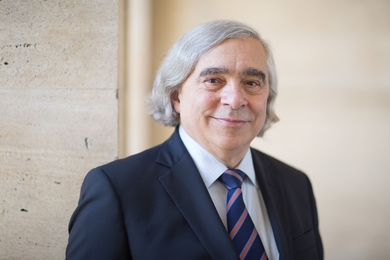
Professor emeritus and former U.S. energy secretary reflects on recent meeting with Pope Francis and energy and finance leaders.

Graduate student Prosper Nyovanie wants to power off-grid communities worldwide with scalable solar electric systems.
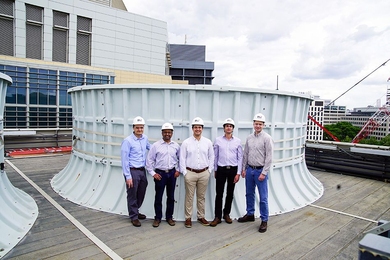
Technology captures water evaporating from cooling towers; prototype to be installed on MIT’s Central Utility Plant.
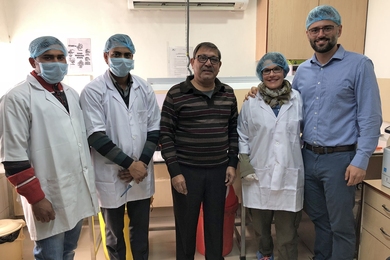
Tata Center for Technology and Design program "aims to close the gap between ideas and implementation," says program director Jason Prapas.
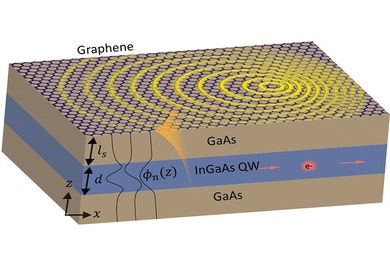
Reducing the wavelength of light could allow it to be absorbed or emitted by a semiconductor, study suggests.

Neural network could expedite complex physics simulations.
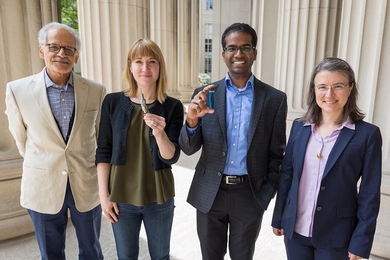
Awardees will use grants to advance research in areas including energy storage, renewables expansion modeling, and the chemistry of electrocatalysts.

With novel system, data scientists can analyze massive networks without the need for power-hungry servers.