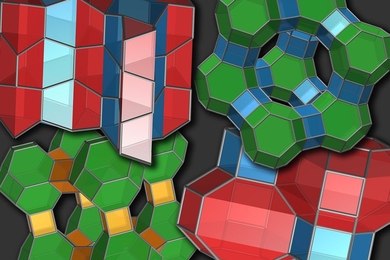
A new mathematical approach to understanding zeolites
Study of minerals widely used in industrial processes could lead to discovery of new materials for catalysis and filtering.
Study of minerals widely used in industrial processes could lead to discovery of new materials for catalysis and filtering.
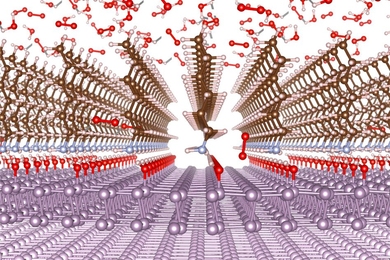
Ultrathin coating could protect 2D materials from corrosion, enabling their use in optics and electronics.

Associate Professor Juejun Hu shines a light on the impact machine learning and AI are having on materials science and engineering.
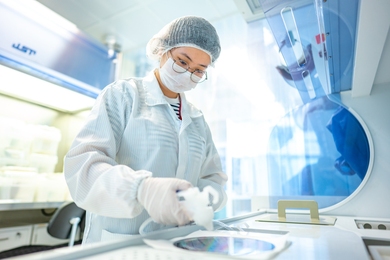
New method from MIT’s research enterprise in Singapore paves the way for improved optoelectronic and 5G devices.
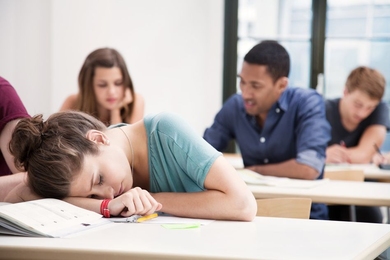
Data on MIT students underscore the importance of getting enough sleep; bedtime also matters.

Revolutionizing video games with physics, Weaver has also influenced MIT students with lessons on design, virtual reality, storytelling, and games for social change.

Summer program in civil and environmental engineering examines the intersection of modern engineering and cultural heritage.
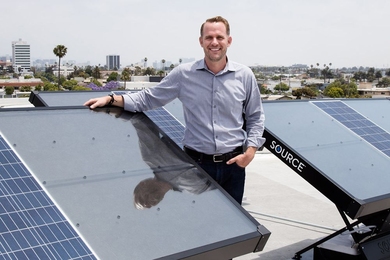
Materials scientist recognized for social, economic, and environmentally-sustaining inventions that impact millions of people around the world.
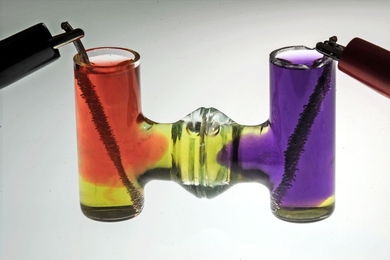
MIT researchers find a way to eliminate carbon emissions from cement production — a major global source of greenhouse gases.
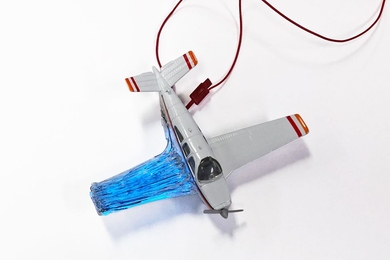
Filaments with embedded circuitry can be used to print complex shapes for biomedical and robotic devices.
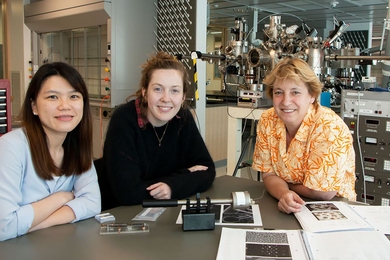
MIT Professor Frances Ross is pioneering new techniques to study materials growth and how structure relates to performance.
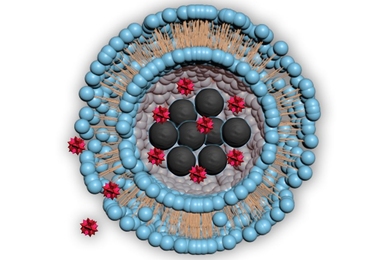
Magnetic particles allow drugs to be released at precise times and in specific areas.
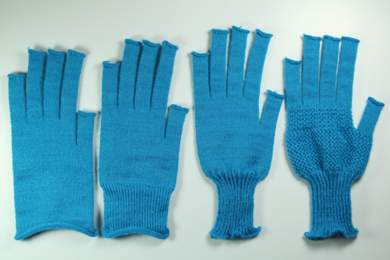
New research from the Computer Science and Artificial Intelligence Laboratory uses machine learning to customize clothing designs.

Faculty members recognized for excellence via a diverse array of honors, grants, and prizes over the past quarter.

Noninvasive device could benefit patients with kidney disease, congestive heart failure, or dehydration.