
Microchip enables fast, precise measurement of single-cell growth
Device that measures growth of many individual cells simultaneously could lead to rapid tests for antibiotics.
Device that measures growth of many individual cells simultaneously could lead to rapid tests for antibiotics.
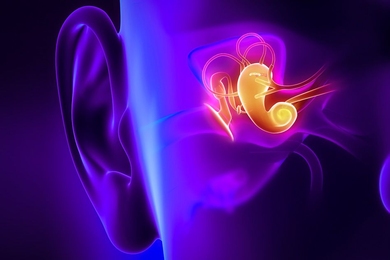
Shortwave infrared instrument from MIT could see deeper, help improve diagnosis of ear infections.
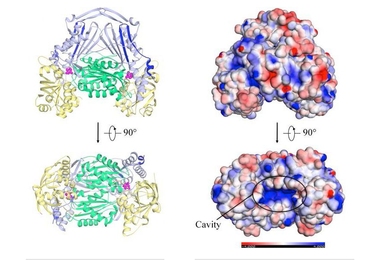
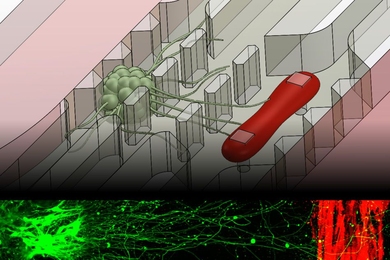
New chip could help test drugs for ALS, other neuromuscular disorders.
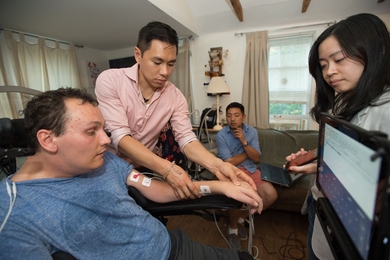
With support from the MIT Sandbox Innovation Fund Program, an MIT spinoff is creating assistive technology for people with ALS.
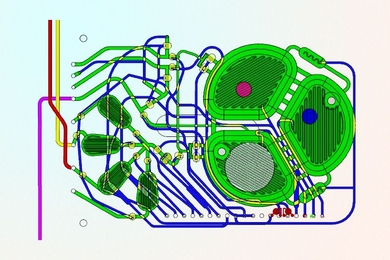
System would use microbes for manufacturing small amounts of vaccines and other therapies.
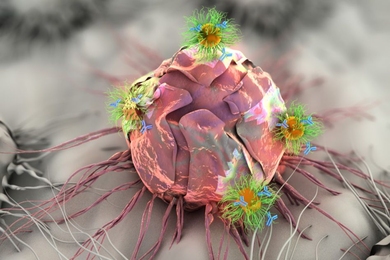
In mice, device destroyed colorectal tumors and prevented remission after surgery.

Deletion of the HDAC3 gene in the brains of mice causes cognitive and social impairments consistent with Rett Syndrome.

Associate Professor Ernest Fraenkel uses biological network modeling to identify new targets for disease.
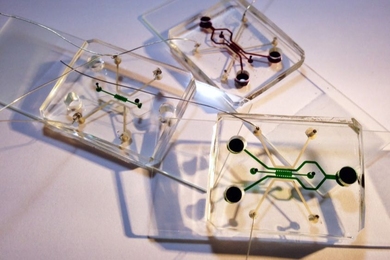
Low-intensity fields keep malignant cells from spreading, while preserving healthy cells.

Tests in mice show the vaccines work against Ebola, influenza, and a common parasite.

Report calls for more integration of physical, life sciences for needed advances in biomedical research.
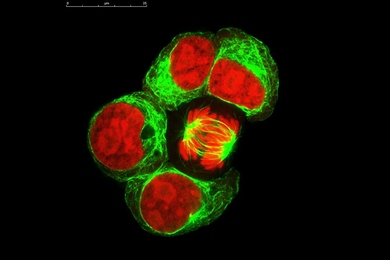
Technique combines analogue and digital processes in engineered cells.

Team’s smartphone-connected device can detect lung cancer early from a single breath.

Study identifies new gene variants that may be targets for treating arrhythmia.