
A “big push” to lift people out of poverty
MIT field experiment from India finds a one-time economic boost helps the very poor fare better for at least a decade.
MIT field experiment from India finds a one-time economic boost helps the very poor fare better for at least a decade.
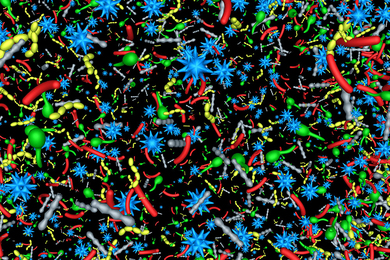
Infection during pregnancy with elevated levels of the cytokine IL-17a may yield microbiome alterations that prime offspring for aberrant immune responses, mouse study suggests.

By temporarily suspending retinal activity in the non-amblyopic eye of animal models, neuroscientists restrengthen the visual response in the "lazy" eye, even at ages after the critical period when patch therapy fails.

Master’s student Pavarin Bhandtivej seeks to bring data to bear on policymaking in Thailand.
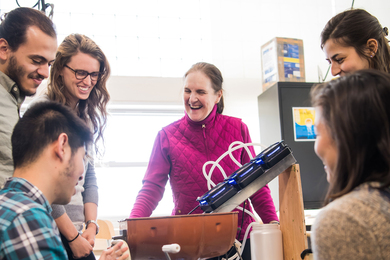
MIT’s Susan Murcott is dedicated to providing clean water access and building a new generation of humanitarian water leaders.

Studying usage in Singapore, MIT and SMART researchers find scooter rentals allow for increased sharing frequency and fewer vehicles needed.
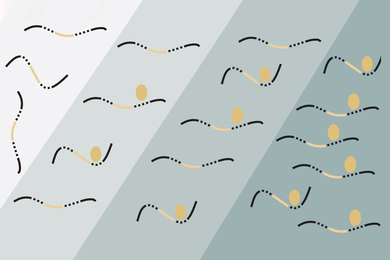
A well-known protein family binds to many more RNA sequences than previously thought in order to help neurons grow.
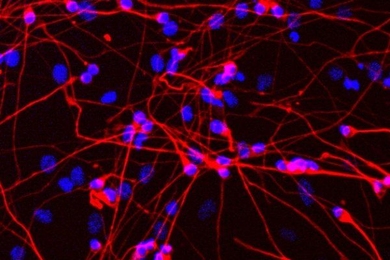
Disruption of condensates in the neurodevelopmental disorder provides insights into how cells compartmentalize chromosomes, as well as new potential therapies.

The King Climate Action Initiative at J-PAL will develop large-scale climate-response programs for some of the world’s most vulnerable populations.

In the Chinese city of Chengdu, one-third of ride-sharing might replace public transit trips.
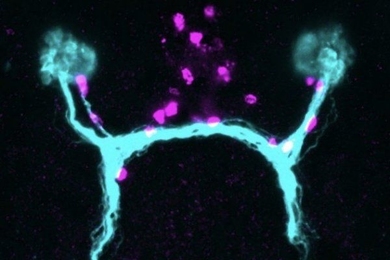
Peter Reddien's lab at the Whitehead Institute takes a step forward in understanding how neural circuits could be regenerated in adults.

Dimagi’s data-collection platform has helped improve health care for hundreds of millions of people around the world.
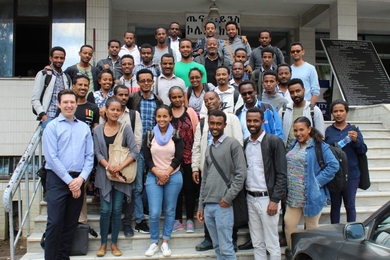
The MIT Humanitarian Supply Chain lab led a blended supply chain management course with Addis Ababa University.

In new book, Nobel laureates Banerjee and Duflo examine what we know about the global economy and how to improve it.

Whitehead Institute team finds drugs that activate a key brain gene; initial tests in cells and mice show promise for rare, untreatable neurodevelopmental disorder.