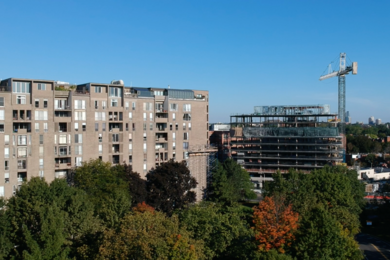
Predicting building emissions across the US
MIT researchers have analyzed greenhouse gas emissions from future buildings across America and outlined region-specific solutions.
MIT researchers have analyzed greenhouse gas emissions from future buildings across America and outlined region-specific solutions.
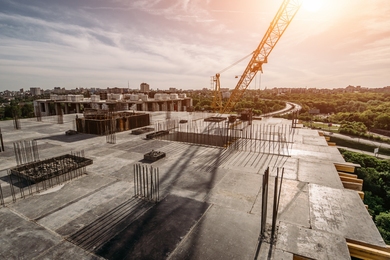
MIT researchers find emissions of U.S. buildings and pavements can be reduced by around 50 percent even as concrete use increases.
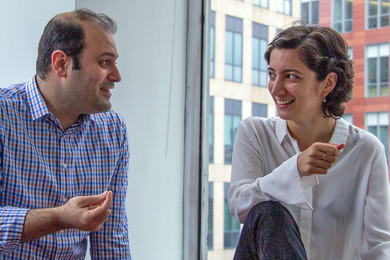
To mitigate natural hazards equitably, PhD candidate Ipek Bensu Manav of the MIT CSHub is incorporating social vulnerability into resilience engineering and hazard recovery.

Jeevan Kalanithi SM ’07 is CEO of OpenSpace, a company founded by three Media Lab graduates using computer vision to benefit the construction industry.
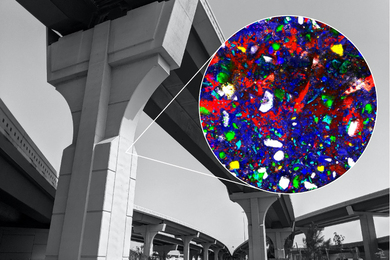
Imaging technique could enable new pathways for reducing concrete’s hefty carbon footprint, as well as for 3-D printing of concrete.
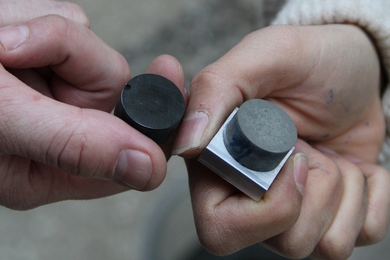
A collaboration between MIT and CNRS has yielded a cement that conducts electricity and generates heat.
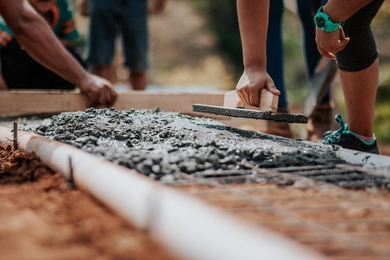
MIT Concrete Sustainability Hub research finds natural carbon uptake in concrete could offset 5 percent of US pavement cement production emissions.
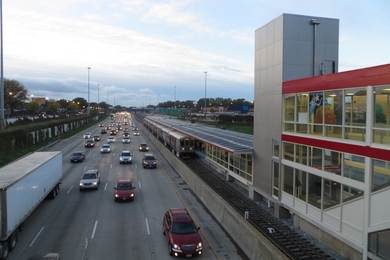
In an award-winning paper, the PhD student and MIT CSHub research assistant measures how the weight of vehicles deteriorates pavements.
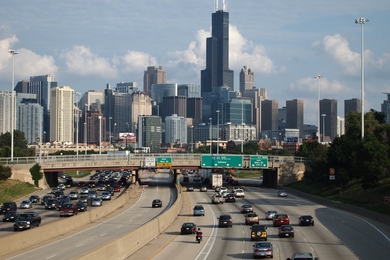
MIT postdoc explains how reflective pavements can significantly — and often indirectly — mitigate climate change and extreme heat.

Concrete is the world’s most consumed construction material. Yet there’s a lot the public doesn’t know about it or its environmental impact.

MIT Concrete Sustainability Hub researchers are investigating how the layouts, or textures, of cities influence extreme weather events.
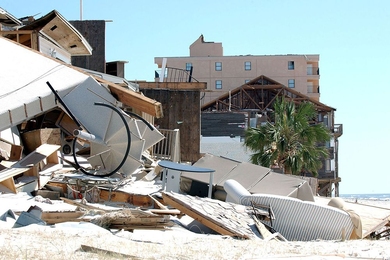
Calculation developed by MIT Concrete Sustainability Hub shows that when building in areas prone to natural disasters, it pays to make informed decisions.

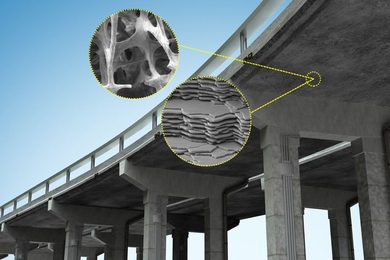
Researchers look to bones and shells as blueprints for stronger, more durable concrete.

Oral Buyukozturk develops innovative designs and technologies for durable, sustainable physical infrastructure projects.