
Making computers explain themselves
New training technique would reveal the basis for machine-learning systems’ decisions.
Finding patterns in corrupted data
New model-fitting technique is efficient even for data sets with hundreds of variables.
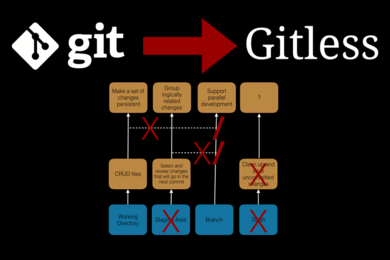
Making it easier to collaborate on code
CSAIL team's “Gitless” fixes Git’s biggest issues — and suggests their approach could help improve systems like Gmail and Dropbox.
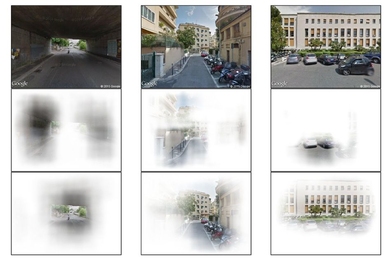
Quantifying urban revitalization
Combining cellphone data with perceptions of public spaces could help guide urban planning.

Automating big-data analysis
With new algorithms, data scientists could accomplish in days what has traditionally taken months.
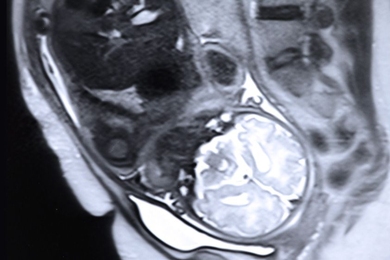
MRIs for fetal health
Algorithm could help analyze fetal scans to determine whether interventions are warranted.
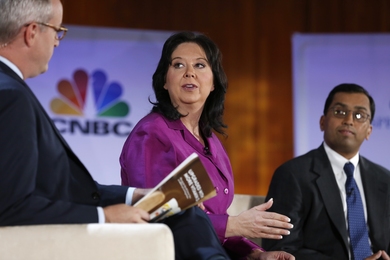
Cambridge Cyber Summit convenes industry, academia, and government
Hosted by CSAIL, event featured discussions on cybersecurity with tech leaders and officials from the NSA and FBI.
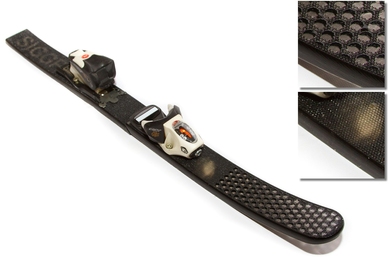
Designing for 3-D printing
“Foundry” tool from the Computer Science and Artificial Intelligence Lab lets you design a wide range of multi-material 3-D-printed objects.
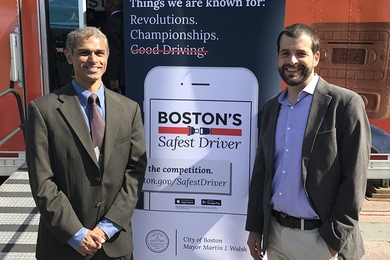
Rewarding Boston’s safest driver
Mayor Martin Walsh announces a competition aimed at improving Boston driving with an app developed by an MIT spinout.
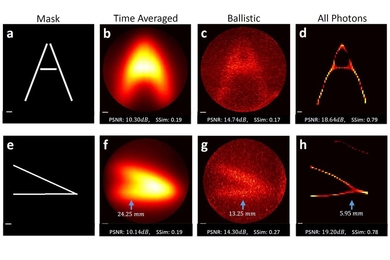
Toward visible-light-based imaging for medical devices, autonomous vehicles
System accounts for the deflection of light particles passing through animal tissue or fog.

Automated screening for childhood communication disorders
Computer system could help identify subtle speech, language disorders in time for early intervention.

Cache management improved once again
New version of breakthrough memory management scheme better accommodates commercial chips.
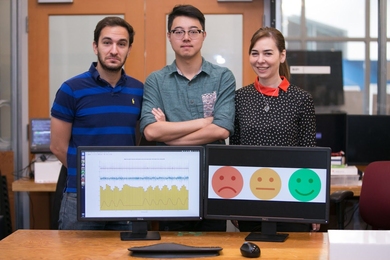
Detecting emotions with wireless signals
Measuring your heartbeat and breath, CSAIL device can tell if you’re excited, happy, angry, or sad.
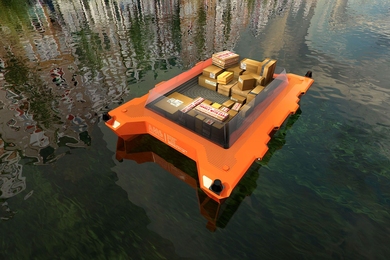
An autonomous fleet for Amsterdam
MIT, AMS Institute will collaborate to solve complex urban problems for Amsterdam with the development of autonomous "roboats."