
Can artificial intelligence learn to scare us?
With Shelley, the world’s first artificial intelligence-human horror story collaboration, MIT researchers aim for goosebumps.
With Shelley, the world’s first artificial intelligence-human horror story collaboration, MIT researchers aim for goosebumps.
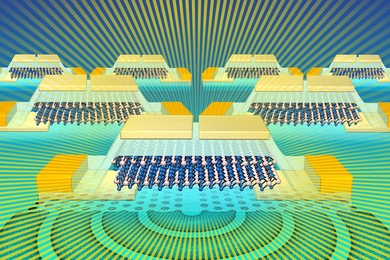
Ultrathin films of a semiconductor that emits and detects light can be stacked on top of silicon wafers.

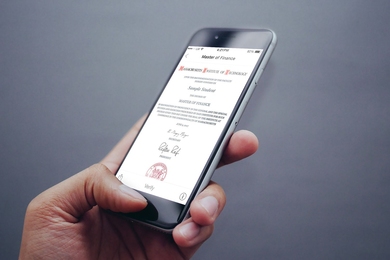
Using Bitcoin's blockchain technology, the Institute has become one of the first universities to issue recipient-owned virtual credentials.
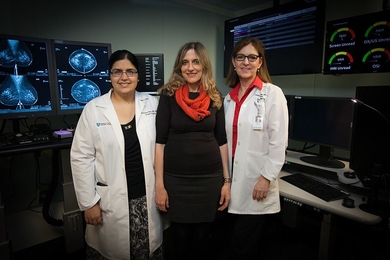
Model developed at MIT’s Computer Science and Artificial Intelligence Laboratory could reduce false positives and unnecessary surgeries.
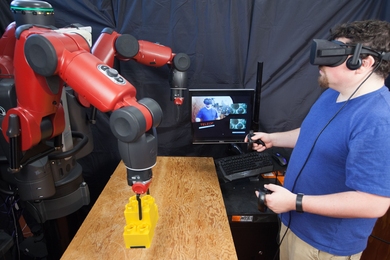
A virtual reality system from the Computer Science and Artificial Intelligence Laboratory could make it easier for factory workers to telecommute.
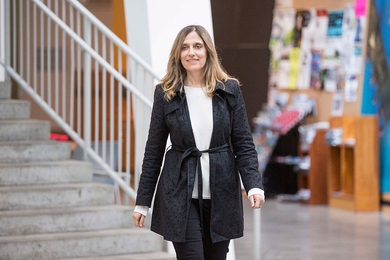
MIT computer scientist who studies natural language processing and machine learning wins $625,000 prize.
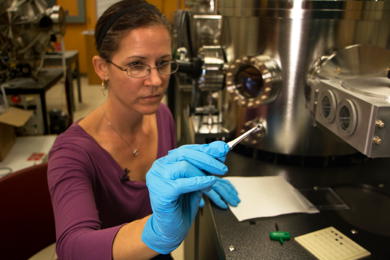
Summer Scholar Stephanie Bauman interns in Luqiao Liu lab synthesizing and testing manganese gallium samples for spintronic applications.
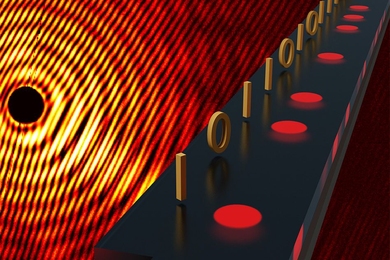
Recently discovered phenomenon could provide a way to bypass the limits to Moore’s Law.
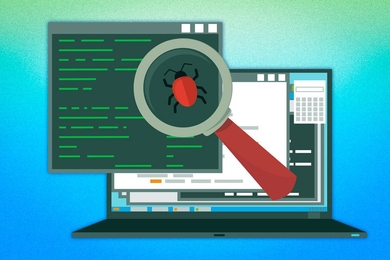
Automatic code-patching system corrects nearly twice as many errors as its predecessors.
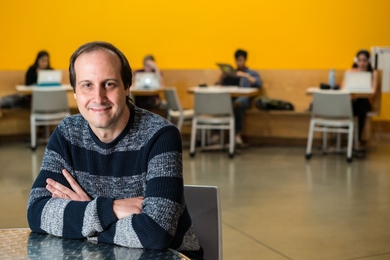
Computer vision and machine learning expert Antonio Torralba to lead new artificial intelligence research lab.
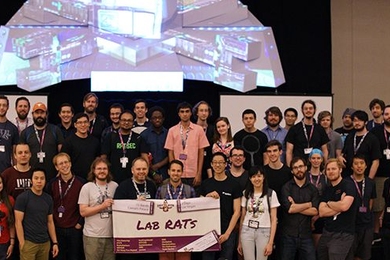
Lab RATs take 10th place at the annual DEF CON Capture the Flag competition in Las Vegas.

System makes modifications necessary to transplant code from one program into another.
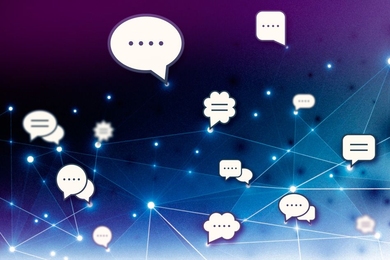
General-purpose technique sheds light on inner workings of neural nets trained to process language.
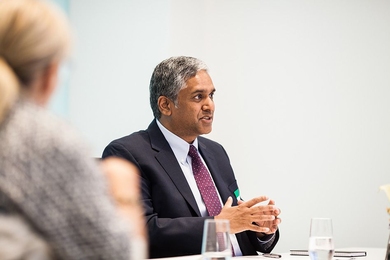
Lab seeks to expand the boundaries of research on artificial intelligence.