
The effects of an “algorithmic monoculture” depend on the details
In a study focusing on hiring decisions, MIT researchers found the use of a single algorithm by many firms could benefit job seekers in certain situations.
In a study focusing on hiring decisions, MIT researchers found the use of a single algorithm by many firms could benefit job seekers in certain situations.

The PKG Center for Social Impact expands Code.Tulsa experiential learning program.
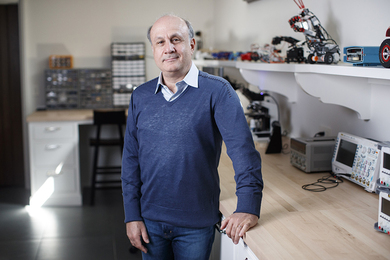
Computer scientist, entrepreneur, and philanthropist will collaborate with the MIT Schwarzman College of Computing to advance AI and scientific discovery.

The Institute’s undergraduate engineering, computer science, and economics programs are No. 1; its business program is No. 2.
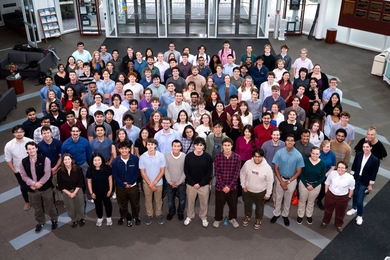
Anna Raymaker and Vivek Jagadeesh tackled cybersecurity threats to ships and inside operating systems, respectively.
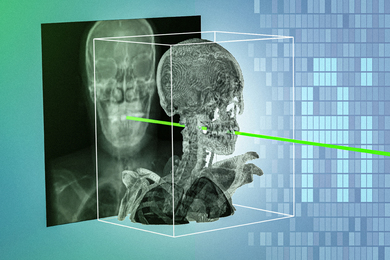
This patient-specific method, called xvr, helps doctors use X-rays for surgical navigation in fields such as orthopedics and neurosurgery.

The “HardFlow” algorithm could help generative AI models produce high-quality outputs that obey strict requirements when “pretty close” doesn’t cut it.
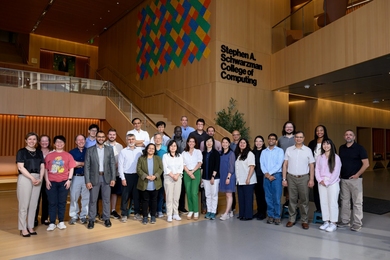
A weeklong summer workshop brought higher education faculty to campus to explore how AI and machine learning materials can be adapted for their classrooms.

MIT affiliates engage with the MIT-IBM Computing Research Lab to bring rigorous theory to production systems.

A new method, called CW-Net, translates the reasoning process of an autonomous vehicle’s AI system into understandable concepts that explain its behavior.
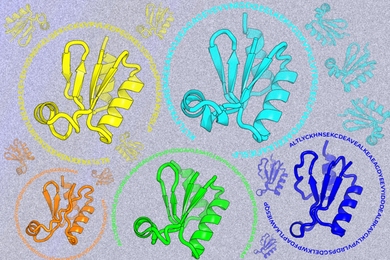
A new machine-learning framework aims to improve the success rate of computational protein design while moving away from results that reproduce sequences found in nature.

MIT CSAIL researchers found a way to exploit a split-second gap in chip security — and used it to acquire a Linux system’s password file.
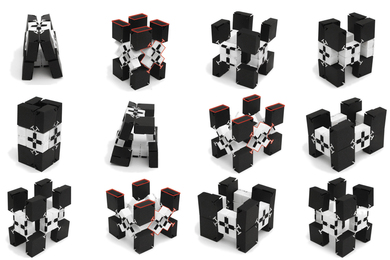
Dubbed “bifur-circuits,” these interactive building blocks could be used to develop reconfigurable robotic grippers or customized assistive devices.

The “CrysVCD” tool developed at MIT could cut the huge amounts of time and money spent on screening out chemically unstable designs.

A new, scalable technique could enable powerful radars and sensors based on quantum technology that works at room temperature.