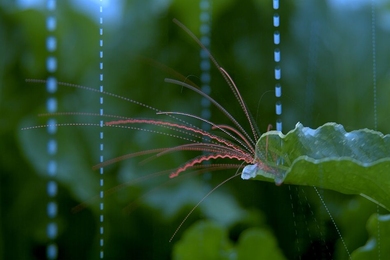
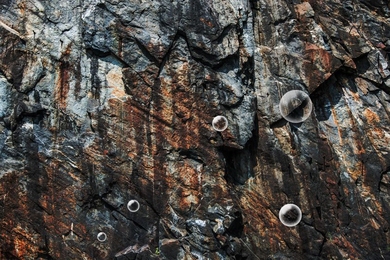
Sequestration on shaky ground
Study finds a natural impediment to the long-term sequestration of carbon dioxide.
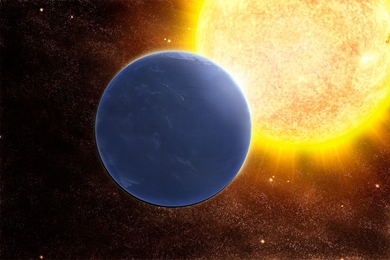
Life on an aquaplanet
MIT study finds an exoplanet, tilted on its side, could still be habitable if covered in ocean.
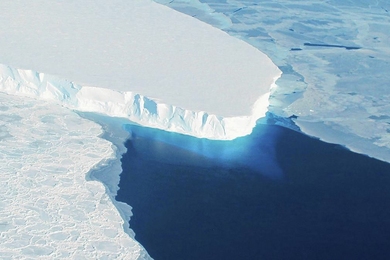
Improving media coverage of climate science
New web-based Climate Feedback application provides a method for scientists and journalists to improve the accuracy of climate science reporting.

MIT conference celebrates climate change innovators
With keynote lectures by Anthony Leiserowitz and Jeremy Grantham, conference encourages attendees to "move ideas into action."

Amphibious achiever
CEE senior Theresa Oehmke pursues her interest in interactions between land and water.

Q&A: Christopher Knittel on the EPA’s greenhouse gas plan
In Science, economists evaluate government’s proposed emissions policy for power plants.

3 Questions: Thomas Malone on the Climate CoLab’s progress
International effort aims to harness the intelligence of people worldwide to address climate change.
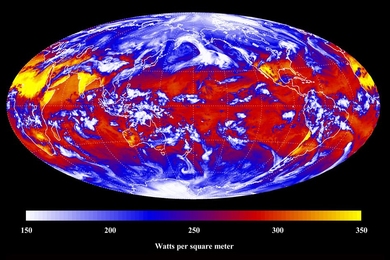
The missing piece of the climate puzzle
Researchers show that a canonical view of global warming tells only half the story.

Peter Molnar takes down a popular scientific theory at the 2014 John Carlson Lecture
University of Colorado at Boulder professor presented “Big Cats, Panamá, and Armadillos: A Story of Climate and Life” at the New England Aquarium.
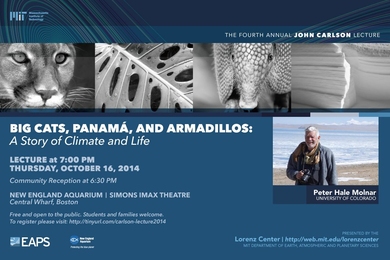
Peter Molnar to speak on big cats, Panama, and armadillos with "A Story of Climate and Life"
Geologist and 2014 Crafoord Prize-winner will deliver the 4th annual John Carlson Lecture.
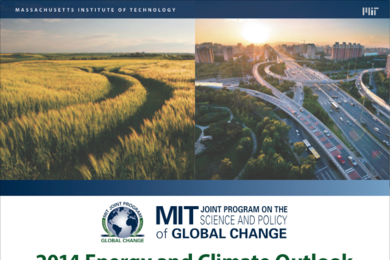
Report: Unless we change direction, the world will warm 3-5 degrees Celsius
"2014 Climate and Energy Outlook" finds the world will be warmer, thirstier, and still dependent on fossil fuels unless 2015 climate negotiations are more effective than expected.
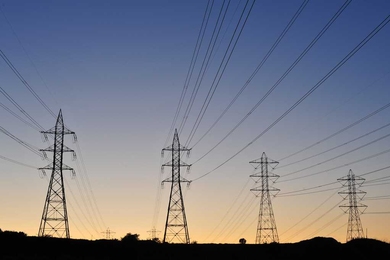
Study finds the hidden — and uneven — price of piecemeal energy policies
MIT researchers find the national and regional impacts of U.S. regulatory policies for mitigating climate change.
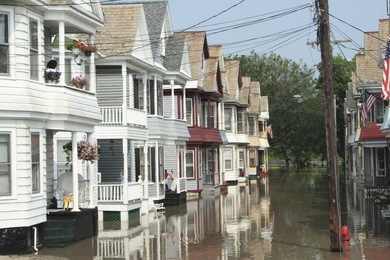
Pinpointing climate change uncertainty
How severely will climate change affect the United States? It depends on climate policy, says a new study from MIT researchers.
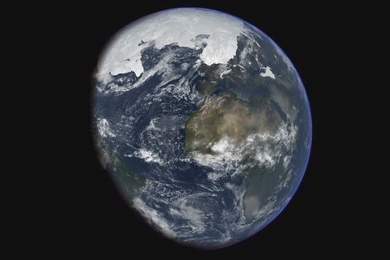
Solving the puzzle of ice age climates
Researchers look to the Southern Ocean for an explanation of the “Last Glacial Maximum.”