
Health, wealth, and cities
MIT associate professor of urban studies Mariana Arcaya examines health disparities within metro areas.

What’s the best way to cut vehicle greenhouse-gas emissions?
Study finds that in some locations, lightweight gas-powered cars could have a bigger emissions-reducing impact than electric ones.

Study: Climate change could pose danger for Muslim pilgrimage
When the Hajj comes in summertime, in some years it may not be safe for participants to remain outdoors.
Shift to renewable electricity a win-win at statewide level
MIT research finds health savings from cleaner air exceed policy costs.
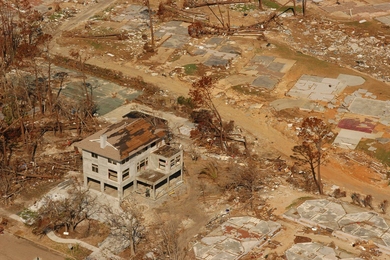
3Q: Jeremy Gregory on measuring the benefits of hazard resilience
MIT Concrete Sustainability Hub scientist explains how rating systems akin to LEED for resilient construction can make communities more hazard-resistant.

Following the current: MIT examines water consumption sustainability
The Institute aims to update its water management practices to prepare for droughts, sea level rise, and other risks posed by the climate crisis.

Lowering emissions without breaking the bank
New research provides a look at how India could meet its climate targets while maintaining economic growth
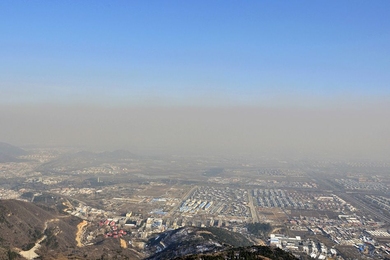
Health effects of China’s climate policy extend across Pacific
Improved air quality in China could prevent nearly 2,000 premature deaths in the U.S.
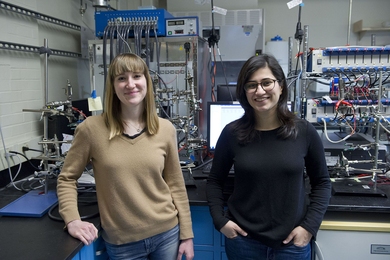
Removing carbon dioxide from power plant exhaust
MIT researchers are developing a battery that could both capture carbon dioxide in power plant exhaust and convert it to a solid ready for safe disposal.
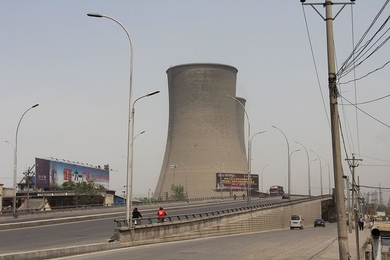
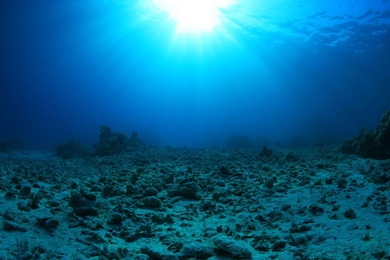
Breaching a “carbon threshold” could lead to mass extinction
Carbon dioxide emissions may trigger a reflex in the carbon cycle, with devastating consequences, study finds.

An atomic-scale erector set
To predict building damage, Kostas Keremidis of the MIT Concrete Sustainability Hub is modeling structures as ensembles of atoms.
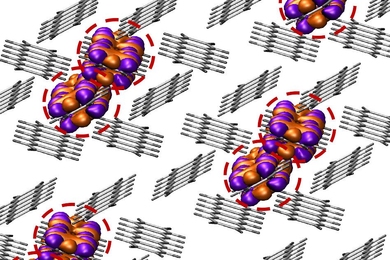
Experiments show dramatic increase in solar cell output
Method for collecting two electrons from each photon could break through theoretical solar-cell efficiency limit.
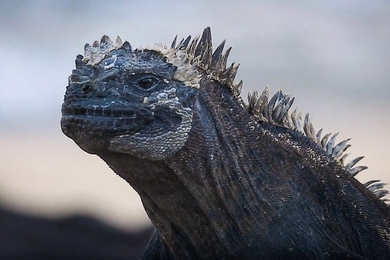
Featured video: Saving iguanas with science and engineering
Professor Otto Cordero and colleagues ask: Can microbiome engineering make the Galapagos marine iguana more resilient to climate change?