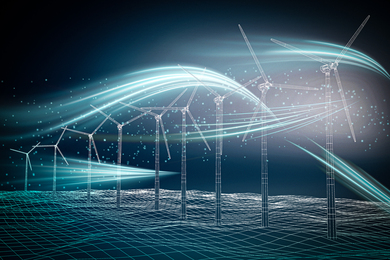
Pressurized experiments could help wind farms generate more power
A new way of simulating wind turbines in the field shows how tweaking turbine operation could unlock tens of thousands of dollars per turbine every year.
A new way of simulating wind turbines in the field shows how tweaking turbine operation could unlock tens of thousands of dollars per turbine every year.

The Climate Grand Challenges “New World of Weather” project shows how modeling, planning tools, and infrastructure analysis are translating research into real-world resilience.
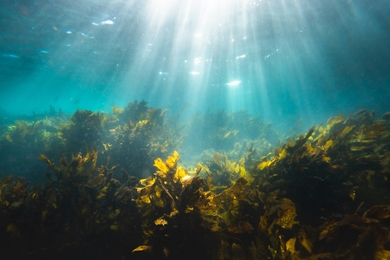
Researchers reveal how communities of marine bacteria divide the task of degrading fucoidan, a key player in ocean carbon storage.
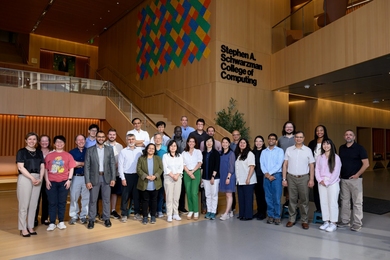
A weeklong summer workshop brought higher education faculty to campus to explore how AI and machine learning materials can be adapted for their classrooms.

The senior lecturer, already director of the degree program, will now oversee all aspects of the center’s activities and operations.

Researchers explore how a key factor can mitigate or promote tuberculosis transmission.
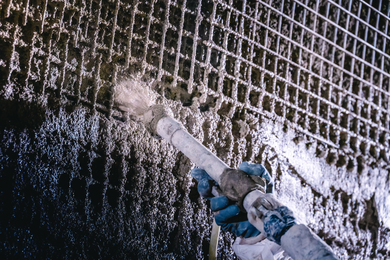
Dmat is commercializing findings from the lab of Associate Professor Admir Masic to make concrete longer-lasting and more sustainable.
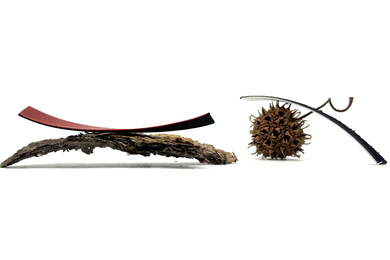
The new framework could streamline the design process of robotic grippers or aerospace components that exhibit complex behaviors found in nature.

A towering figure in theoretical hydrodynamics is remembered for his intellectual rigor, generosity, and lifelong devotion to his students.
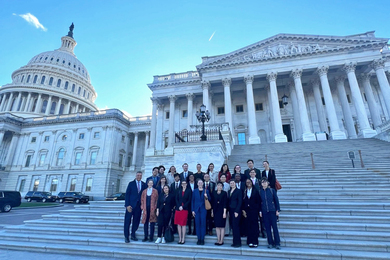
MIT students and postdocs discussed science funding and research with policymakers in Washington during the MIT Science Policy Initiative’s annual Congressional Visit Days.
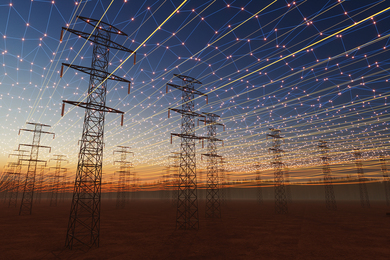
MIT researchers find that where new energy projects are built could be key to avoiding blackouts in a future with hotter weather and other challenges.
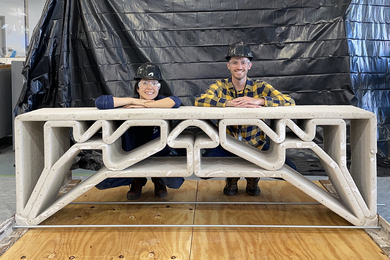
MIT researchers developed a framework that folds a printer’s real-world limits into the optimization, while revealing that better hardware could sharply reduce material use.
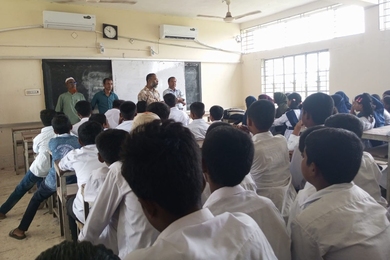
The Jameel Observatory-CREWSnet project opens a solar-powered “adaptation fortress” in Satkhira, a region facing severe and growing climate threats.
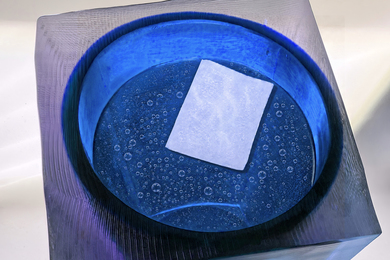
The new aerated material could enable longer-lasting bandages, implants, and wearable sensors.
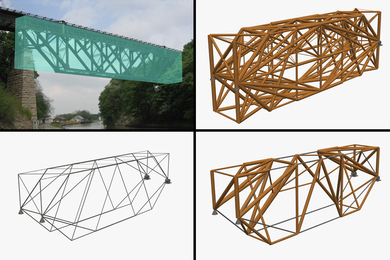
MIT researchers developed an approach for generating more buildable structures, bridging the gap between optimized design and real-world construction.