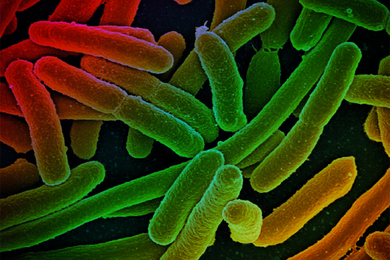
Metabolic mutations help bacteria resist drug treatment
Study suggests forcing bacteria to burn more energy could make them more susceptible to antibiotics.
Study suggests forcing bacteria to burn more energy could make them more susceptible to antibiotics.
Case’s new lab investigates why cancer arises when disruptions in cellular organization change how cells sense mechanical forces.

Using CRISPR technology, researchers are tracking the lineage of individual cancer cells as they proliferate and metastasize in real-time.
MIT study sheds light on the longstanding question of why cancer cells get their energy from fermentation.
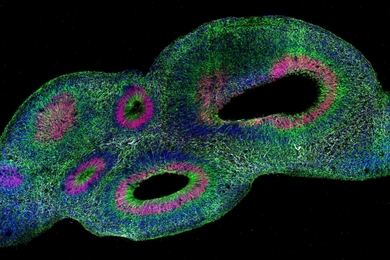
Unbiased, high-throughput analysis pipeline improves utility of “minibrains” for understanding development and diseases such as Zika infection.

M-CELS are purpose-driven living systems with multiple interacting living components.
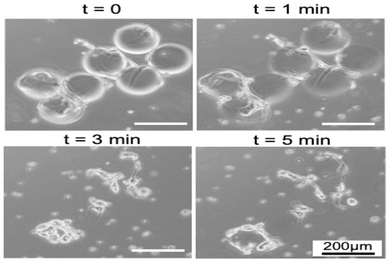
Gelatin-based microcarriers offer higher yield and scalability compared to existing commercial microcarriers.
Unexpected findings in chemokine receptors once believed to be non-functional open up new fields of scientific inquiry.
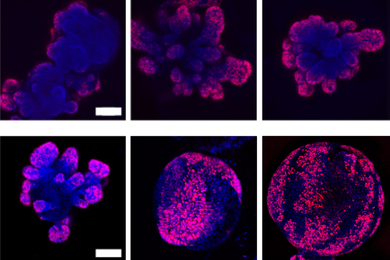
Study finds that compressing cells, and crowding their contents, can coax them to grow and divide.
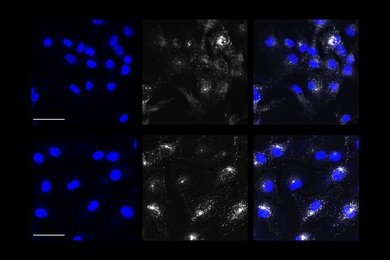
Astrocytes with the APOE4 gene variant show deficits of a key cellular function, but overexpressing the gene PICALM overcame the defect.
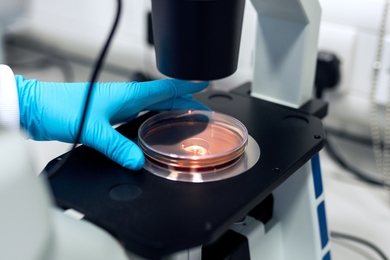
Funds will support research on glaucoma through retinal biometrics and neural cell implantation therapy for spinal cord injury.
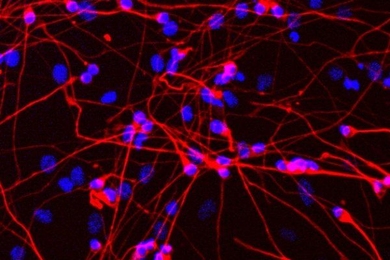
Disruption of condensates in the neurodevelopmental disorder provides insights into how cells compartmentalize chromosomes, as well as new potential therapies.
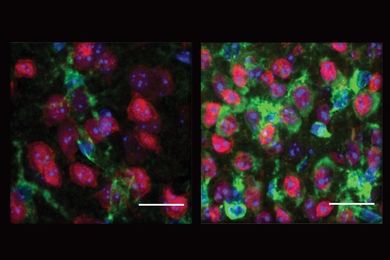
Unique survey of gene expression by cell type in humans and mice reveals several deficits affecting the most vulnerable neurons.
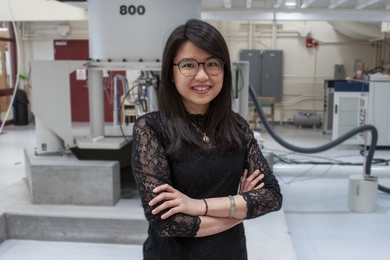
PhD candidate’s journey to the center of the plant cell wall relies on nuclear magnetic resonance technology.

A variety of companies with MIT ties are working to address aspects of the Covid-19 pandemic.