Moral judgments can be altered ... by magnets
By disrupting brain activity in a particular region, neuroscientists can sway people’s views of moral situations.
A grand unified theory of AI
A new approach unites two prevailing but often opposed strains in the history of artificial-intelligence research.


No harm, no foul
Study of moral judgment finds that patients with a specific brain defect lack the emotional reaction necessary to find fault with attempted murderers
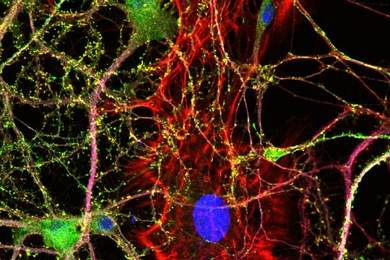
A change of mind
One protein appears to control neurons’ ability to react to new experiences, MIT scientists show.


At Davos, MIT faculty discuss the nature of intelligence
Videos available of professors' presentations at World Economic Forum
Nutrient mix shows promise in fighting Alzheimer’s
In clinical trial, new approach developed at MIT improves memory in patients with Alzheimer’s disease.

The 'sci' behind the 'fi'
A public television program explores the ways real science is starting to catch up with the futuristic visions in Star Trek.
Alumna wins Creative Capital/Warhol Foundation Art Writers Grant
Geeta Dayal wins support for a publication on GPS, mapping and mobile technologies
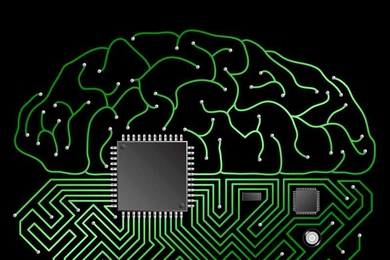
Rethinking artificial intelligence
Broad-based MIT project aims to reinvent AI for a new era. By going back and fixing mistakes, researchers hope to produce ‘co-processors’ for the human mind.
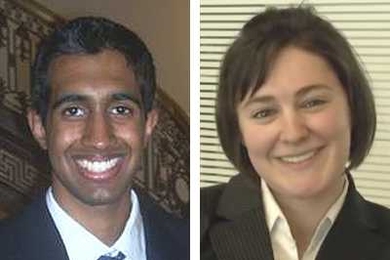
Two from MIT win Marshall Scholarships
Seniors Tanya Goldhaber and Vinayak Muralidhar will pursue graduate studies in Britain beginning next year.